 ultimate-guide
Benefits of Acai Bowls Daily: A Balanced Guide
Table of Contents
- What Are Acai Bowls and Why They Matter for Daily Nutrition
- Acai Berry Antioxidant Benefits and Their Role in Health
- How Daily Acai Consumption Supports Heart Health and Cognitive Function
- Acai Bowl Sugar Content: Understanding the Daily Risks
- Best Toppings for Healthy Acai Bowls That Maximize Nutrition
- DIY vs. Commercial Acai Bowls: What You Need to Know
- How to Safely Incorporate Acai Bowls Into Your Daily Routine
- Frequently Asked Questions
Last Updated: August 21, 2026
What Are Acai Bowls and Why They Matter for Daily Nutrition
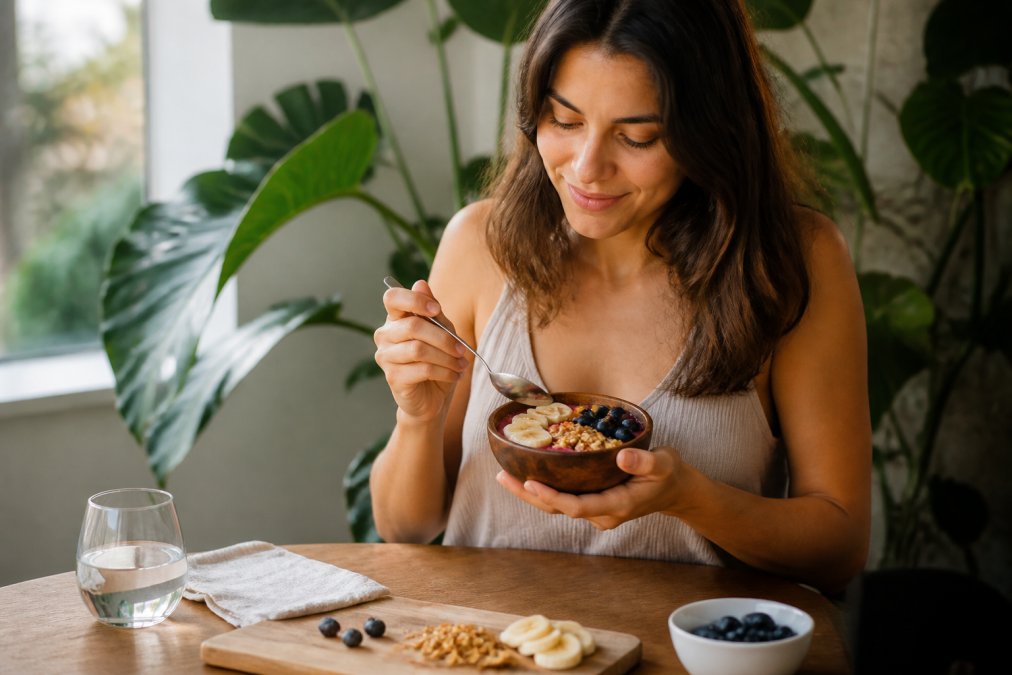
An acai bowl is a thick smoothie base made from frozen acai berries blended with other fruits and liquids, typically topped with granola, fresh fruit, nuts, and seeds. They're convenient, visually appealing, and marketed as a superfood option that delivers sustained energy and nutritional benefits.
The critical distinction: not all acai bowls are created equal. The difference between a genuinely nutritious meal and a dessert disguised as breakfast comes down to ingredients and portion size. Roxberry Juice Co. crafts acai bowls with 100% natural ingredients and signature Roxberry Granola, designed to deliver real nutrition rather than empty calories.
The challenge with daily consumption isn't the acai itself, it's that commercial versions often contain added sugars, oversized portions, and toppings that transform a healthy meal into a calorie-dense indulgence. Understanding the nutritional profile and making intentional ingredient choices is essential for regular consumption.
Acai Berry Antioxidant Benefits and Their Role in Health
Acai berries are rich in antioxidants, particularly anthocyanins and polyphenols, compounds that combat oxidative stress in your body (peer-reviewed research). These antioxidants support your immune system by reducing inflammation at the cellular level and contribute to overall metabolic health alongside vitamin C, vitamin A, and potassium.
The real benefit comes from consistent consumption as part of a balanced diet. A single acai bowl won't transform your health, but incorporating acai regularly alongside other nutrient-dense foods creates cumulative benefits for your immune system and wellness. Treat acai as one component of a comprehensive nutritional strategy, not a magic solution.
How Daily Acai Consumption Supports Heart Health and Cognitive Function
Acai berries contain monounsaturated fats and omega-3 fatty acids, the same healthy fats found in avocados and fish (usda.gov). These fats support cardiovascular health by maintaining healthy cholesterol levels and reducing inflammation in your arteries.
The anthocyanins and polyphenols in acai provide neuroprotection, supporting memory retention, mental clarity, and focus. This is particularly valuable for professionals and students who need sustained cognitive performance. Roxberry Juice Co.'s approach to blending acai with complementary ingredients can support these benefits by ensuring a complete nutritional profile that supports brain function.
A well-constructed acai bowl prevents blood sugar spikes and crashes that impair cognitive function. When you maintain stable glucose levels through balanced macronutrients, protein, healthy fats, and complex carbohydrates, your brain performs more consistently.
Acai Bowl Sugar Content: Understanding the Daily Risks
Many commercial acai bowls contain 40-60 grams of sugar per serving, equivalent to or exceeding the daily recommended intake for most adults (the CDC). When consumed daily, this sugar load becomes a significant metabolic concern that contradicts the health narrative these bowls are marketed with.
The problem stems from three sources: the acai base itself (natural sugars), added sweeteners (honey, agave, syrups), and toppings (granola, dried fruit, chocolate). A seemingly innocent bowl can easily deliver more sugar than a slice of cake while appearing virtuous because it's made from "natural" ingredients.
Daily consumption of high-sugar acai bowls elevates glucose response, stressing your pancreas and potentially contributing to metabolic syndrome over time. A properly constructed acai bowl should contain no more than 20-25 grams of added sugar total, achieved by using unsweetened acai base, limiting dried fruit toppings, and choosing granolas without added sugars. Roxberry Juice Co. addresses this concern by controlling ingredient quality and allowing customers to customize toppings.
Best Toppings for Healthy Acai Bowls That Maximize Nutrition
Strategic topping choices determine whether your bowl delivers sustained energy or causes a blood sugar crash within two hours.
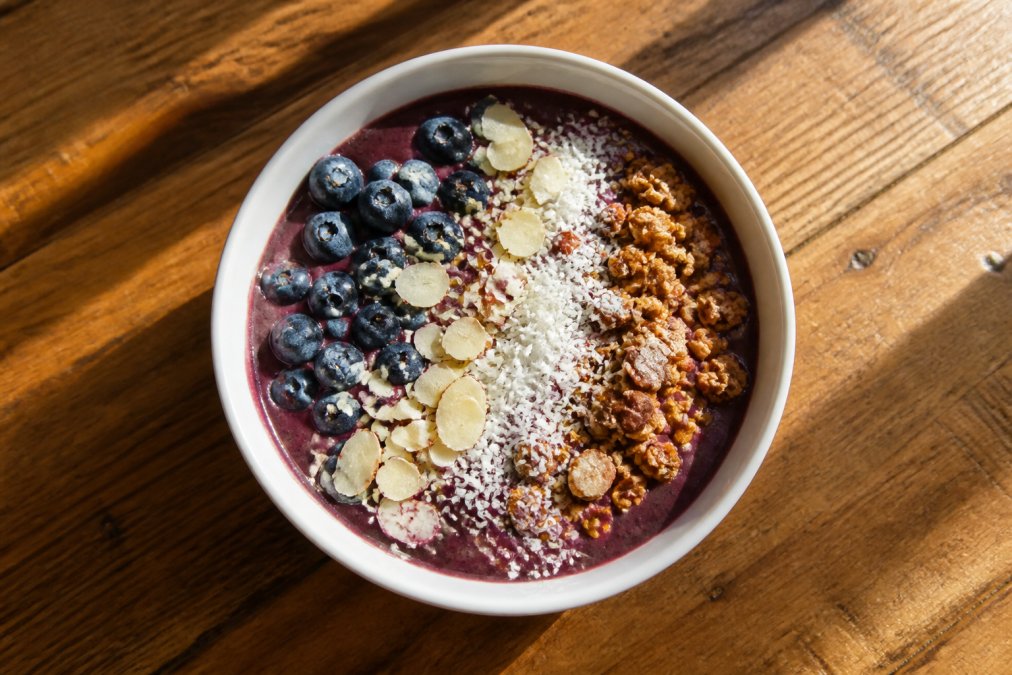
Protein-rich toppings should form the foundation of your strategy. Greek yogurt, hemp seeds, and nuts (almonds, walnuts, pecans) provide the protein and healthy fats necessary for satiety and sustained energy. A quarter-cup of almonds adds 6 grams of protein and only 3 grams of net carbohydrates.
Fresh berries, blueberries, strawberries, raspberries, add micronutrients and fiber without the concentrated sugar load of dried fruit. A handful of fresh berries provides 3-5 grams of fiber while contributing only 8-10 grams of natural sugars. healthy lunch options.
Granola requires careful selection. Most commercial granolas contain 12-15 grams of sugar per quarter-cup serving. Roxberry's signature granola delivers crunch and satisfaction without excessive sugar, making it an intentional choice rather than a default topping that undermines your nutrition.
Avoid dried fruit as a daily topping. Raisins, dried mango, and dried coconut are calorically dense and contain concentrated sugars, a quarter-cup of raisins contains 30 grams of sugar.
| Topping | Protein (g) | Sugar (g) | Best For |
|---|---|---|---|
| Greek yogurt (1/4 cup) | 5 | 3 | Creaminess, protein base |
| Hemp seeds (2 tbsp) | 3 | 1 | Omega-3s, complete protein |
| Almonds (1/4 cup) | 6 | 3 | Satiety, healthy fats |
| Fresh blueberries (1/2 cup) | 1 | 10 | Antioxidants, fiber |
| Roxberry Granola (1/4 cup) | 4 | 8 | Crunch, sustained nutrition |
| Chia seeds (2 tbsp) | 3 | 2 | Fiber, omega-3s |
DIY vs. Commercial Acai Bowls: What You Need to Know
The DIY approach gives you complete control over every ingredient. When you blend your own acai base using frozen acai packets, you control sweetness and can avoid added syrups entirely.
However, DIY acai bowls require time, ingredient sourcing, and nutritional knowledge. Most busy professionals don't have 15 minutes every morning to construct a bowl from scratch. Commercial acai bowls from establishments like Roxberry Juice Co. solve the time problem while maintaining nutritional integrity. You can customize based on your preferences and request modifications that align with your daily nutritional needs.
For daily consumption, a high-quality commercial acai bowl from a trusted source can offer a convenient option compared to attempting to replicate it at home, especially when you factor in time investment and ingredient costs.
How to Safely Incorporate Acai Bowls Into Your Daily Routine
Daily acai bowl consumption is sustainable only when approached strategically. For most individuals, once daily is the appropriate frequency if you're making intentional choices about sugar and portion control.
A standard serving size should be 1.5 to 2 cups total volume. If you're consuming acai bowls daily, you're adding 300-400 calories to your daily intake, which means other meals need to account for this addition.
Timing matters more than most people realize. Acai bowls work best as a breakfast or post-workout meal, when your body can use the carbohydrates and micronutrients effectively. Consuming an acai bowl in the evening increases the likelihood of excess calories being stored as fat.

Monitor your energy levels and satiety when you begin daily consumption. A well-constructed bowl should provide 3-4 hours of sustained energy without hunger or cravings. If you experience energy crashes within 2 hours, your bowl composition needs adjustment, likely more protein and healthy fats, less sugar.
Hydration becomes important when consuming acai daily. The fiber content requires adequate water intake for proper digestion. Aim for at least 8-10 glasses of water daily.
Track your overall sugar intake when consuming acai bowls daily. Even if an individual bowl contains moderate sugar, daily consumption compounds the effect. Use a nutrition tracking app for 2-3 weeks to establish baseline awareness of your actual sugar consumption.
Consider cycling your acai consumption rather than consuming bowls 365 days per year. A sustainable approach might be 5-6 days weekly with 1-2 days featuring alternative breakfast options.
Daily acai bowl consumption can support your health goals when approached with intention and awareness. The real value of acai lies in its antioxidant density and heart-supporting fats, not in superfood marketing narratives. At Roxberry Juice Co., we recognize that health-conscious individuals deserve transparency about what they're consuming and control over their nutrition. Our acai bowls are crafted with 100% natural ingredients and signature Roxberry Granola, designed to deliver sustained energy and mental clarity without the hidden sugars that undermine most commercial options. Download our app to customize your bowl based on your nutritional needs and start experiencing the difference that intentional acai consumption can make.
Frequently Asked Questions
Q: Is it healthy to eat an acai bowl every day?
A: Acai bowls can be part of a daily routine when portion-controlled and properly balanced. The key is watching added sugars and toppings. A typical commercial acai bowl contains 40-60 grams of sugar, which approaches or exceeds daily limits for many people. To make daily consumption safe, focus on bowls with minimal added sweeteners, limit portion sizes to 8-10 ounces, and pair them with protein-rich toppings like nuts or yogurt to slow glucose response and improve satiety.
Q: What is the acai bowl sugar content in most commercial bowls?
A: Most commercial acai bowls contain 35-65 grams of total sugar per serving, depending on the acai base, juice additions, and toppings. The acai puree itself contributes 15-25 grams, while granola, honey, and fruit toppings add another 20-40 grams. This high caloric density and sugar load can spike blood glucose and contribute to metabolic stress if consumed daily without modification. Choosing bowls with unsweetened acai, minimal added syrups, and lower-sugar toppings can reduce this significantly.
Q: What are the best toppings for a healthy acai bowl?
A: Optimal toppings balance nutrition without excess sugar. Choose almonds, walnuts, or chia seeds for omega-3 fatty acids and fiber; unsweetened coconut flakes for sustained energy; fresh berries for additional antioxidants and polyphenols; and plain Greek yogurt or unsweetened almond milk for protein. Avoid processed granolas high in added sugars and honey drizzles. A nutrient-dense bowl should have at least 8-12 grams of protein and 5+ grams of dietary fiber to support digestive health and prevent rapid blood sugar spikes.
Q: What nutrients does a standard acai bowl provide?
A: A typical acai bowl provides anthocyanins, vitamin C, vitamin A, potassium, calcium, and dietary fiber from the acai base. The berries add additional antioxidants and polyphenols that combat oxidative stress and inflammation. However, micronutrient density varies widely based on toppings and preparation. A well-constructed bowl with nuts, seeds, and fresh fruit can deliver meaningful amounts of healthy fats, protein, and sustained energy, while a heavily sweetened commercial version may be primarily caloric density with minimal functional nutrition beyond basic vitamins.