 ultimate-guide
Fresh Juice for Digestive Health: A Complete Guide
Table of Contents
- How Fresh Juice Supports Digestive Health
- Best Juice Recipes for Gut Health
- Benefits of Daily Green Juice for Digestion
- Juicing vs. Whole Fruit: What's Better for Your Gut
- How to Start a Juice Cleanse for Digestion
- Who Should Avoid Juice Cleanses: IBS, SIBO, and Blood Sugar Concerns
- Frequently Asked Questions
Last Updated: September 1, 2026
How Fresh Juice Supports Digestive Health
Fresh juice for digestive health works by delivering concentrated nutrients directly into your system in a form your body can absorb quickly. When fruits and vegetables are cold-pressed, their cell walls break down, releasing enzymes, polyphenols, and other bioactive compounds that support your gut lining and promote nutrient absorption.
The digestive enzymes in fresh juice, particularly from ginger, pineapple, and papaya, help break down food more efficiently. These enzymatic compounds reduce the burden on your stomach acid and allow your gastrointestinal health to improve without working overtime.
Polyphenols, found abundantly in dark leafy greens and berries, function as anti-inflammatory agents (peer-reviewed research). They reduce inflammation in the gut lining and support the growth of beneficial gut flora, which is essential for metabolic health and overall digestive function. The microbiome thrives when you provide it with nutrient-dense, bioavailable compounds that cold-pressed juice delivers in concentrated form.
Hydration matters too. Fresh juice is packed with water and electrolytes, which support digestive secretions and help move food through your system smoothly. This is why many people notice improved digestion support within the first week of adding fresh juice to their diet.
Best Juice Recipes for Gut Health
The most effective juices for digestive health combine anti-inflammatory ingredients with enzyme-rich produce. Below are three recipes designed to support your microbiome and restore great digestion.
Green Juice Base Recipe
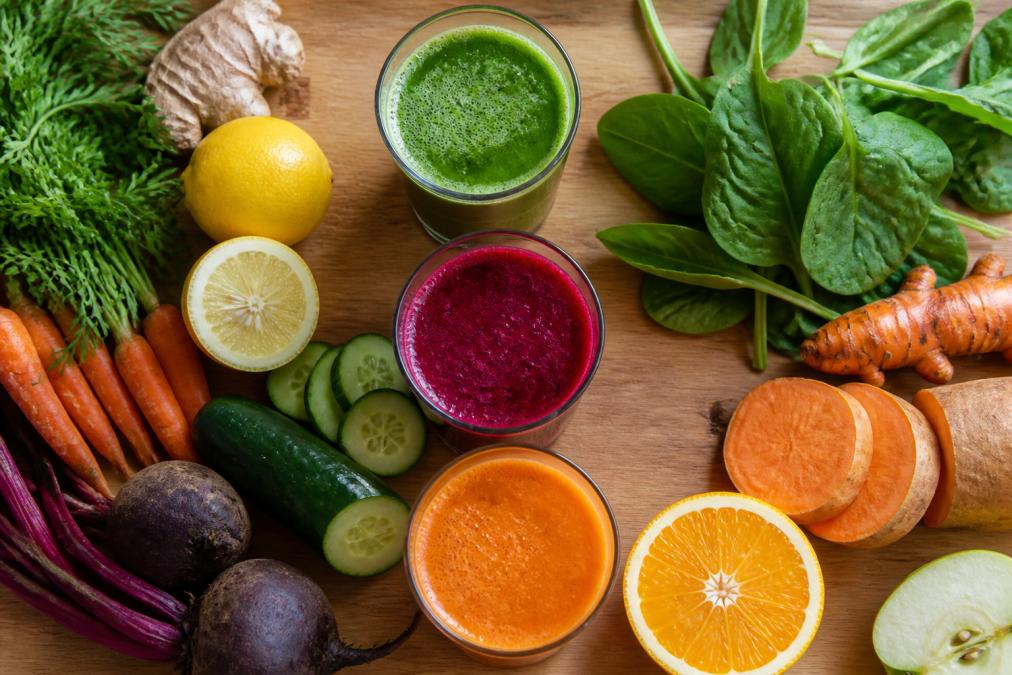
A green juice base recipe forms the foundation of any digestive cleanse. The recipe includes two large handfuls of spinach or kale, three celery stalks, one cucumber, half a green apple, and a thumb-sized piece of fresh ginger.
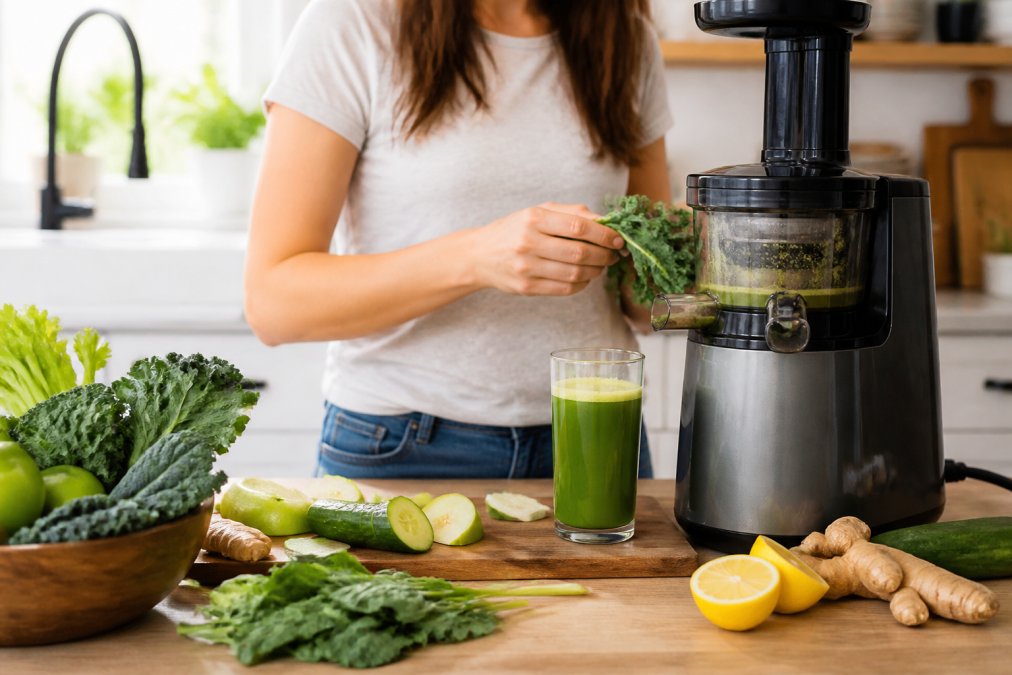
Press all ingredients through a cold-press juicer or high-speed blender with minimal water. The goal is maximum nutrient extraction without diluting the juice. This combination delivers chlorophyll, which supports gut lining health, alongside digestive enzymes from the ginger.
Drink this juice first thing in the morning on an empty stomach for maximum bioavailability. Your body absorbs nutrients more efficiently when your digestive system isn't processing other foods. Many people report that this single habit improves their digestion support within three to five days.
Ginger and Anti-Inflammatory Blend
This recipe prioritizes anti-inflammatory properties. Combine two large carrots, one beet, three inches of fresh ginger, one small turmeric root (or half a teaspoon of turmeric powder if fresh isn't available), and one orange.
The ginger and turmeric work synergistically to reduce inflammation throughout your gastrointestinal health system. Beets contain betalains, which are potent polyphenols that protect the gut lining and support enzymatic activity. The natural sweetness from carrots and orange makes this juice palatable while keeping blood sugar impact minimal.
This blend is particularly useful if you experience bloating or digestive discomfort. The anti-inflammatory properties begin working within hours, and consistent use over two weeks typically shows measurable symptom relief.
Beet and Enzyme-Rich Juice
For maximum enzyme content, juice two beets, one pineapple (skin removed), a two-inch piece of fresh ginger, one lemon, and a handful of parsley.
Pineapple contains bromelain, a powerful digestive enzyme that breaks down proteins and supports nutrient extraction (peer-reviewed research). Beets provide nitrates that improve blood flow to your digestive organs, enhancing their function. Parsley acts as a natural diuretic and supports kidney function, which is essential during any juice cleanse for digestion.
This recipe has the strongest flavor profile and the highest enzyme concentration. Start with a smaller serving (4-6 ounces) if you're new to juice cleanses, as the enzymatic activity can trigger detoxification symptoms in sensitive individuals.
Benefits of Daily Green Juice for Digestion
The benefits of daily green juice for digestion extend far beyond simple nutrient intake. Regular consumption supports your microbiome by feeding beneficial bacteria with polyphenols and fiber compounds that whole-food digestion would break down partially.
Your gut lining strengthens when exposed to consistent doses of nutrient-dense, bioavailable compounds. The cells that form your intestinal barrier rely on specific amino acids and minerals to maintain integrity. Fresh juice delivers these in concentrated form, allowing your body to allocate resources toward healing rather than extraction.
Energy levels typically increase within the first week. This happens because your digestive system requires less effort to process nutrients when they're already partially broken down by the cold-press process. The metabolic energy normally spent on digestion becomes available for other functions, which is why many people report improved mental clarity alongside better digestion support.
Bloating decreases measurably for most people. When your gastrointestinal health improves and enzymatic activity increases, your body processes food more completely, leaving less undigested material that ferments and causes gas. This effect compounds over time as your gut flora balance improves.
Juicing vs. Whole Fruit: What's Better for Your Gut
This is where the conversation gets honest. Whole fruit and vegetables contain fiber that fresh juice for digestive health does not. Fiber feeds your gut flora, supports regular bowel movements, and provides bulk that your digestive system needs to function optimally.
Juice removes the fiber but concentrates the polyphenols, enzymes, and micronutrients. This makes juice superior for nutrient absorption and anti-inflammatory support, but inferior for long-term gut flora health if it's your only source of plant foods.
The best approach combines both. Use fresh juice as a supplement to a diet rich in whole fruits, vegetables, and fiber-containing foods. Juice is not a replacement for whole food consumption, it's an enhancement. Think of juice as a concentrated dose of healing compounds that supports your microbiome while you continue eating whole foods that feed it.
Many people make the mistake of juicing instead of eating whole fruits. This approach can actually harm your digestive health over time because your gut flora loses the fiber it needs to thrive. The polyphenols in juice are powerful, but they work best alongside the prebiotic fiber that whole foods provide.
How to Start a Juice Cleanse for Digestion
Starting a juice cleanse requires preparation to avoid the common mistakes that leave people feeling worse instead of better. A poorly executed cleanse can trigger headaches, fatigue, and digestive distress. A well-planned one delivers measurable improvements in energy, digestion support, and mental clarity. aloe vera benefits.
Before You Begin: Preparation Steps
Preparation begins three to five days before your cleanse starts. Reduce your intake of processed foods, caffeine, and alcohol. These substances create withdrawal symptoms that people often mistake for cleanse-related detoxification.
Increase your water intake to two to three liters per day. This primes your kidneys and supports the elimination process that happens during a juice cleanse for digestion. Dehydration amplifies every uncomfortable symptom, so this step is non-negotiable.
Purchase your produce two days before starting. Cold-pressed juice loses enzymatic potency within 48 hours of pressing, so timing matters. If you're buying pre-made juices from a juice bar like Roxberry Juice Co., confirm they're pressed fresh that day or the day before.
Plan your schedule around days when you're not traveling or managing high stress. A juice cleanse requires your body's resources, and stress diverts those resources away from healing. Choose a week when your workload is manageable and you can prioritize rest.
Your First Week: Easing In Safely
Most people should not jump into a full juice cleanse immediately. Instead, replace one meal per day with fresh juice for digestive health during your first week. Replace breakfast, since your digestive system is most receptive to nutrient-dense liquids on an empty stomach.
Drink your juice slowly, over 15 to 20 minutes. Rapid consumption can overwhelm your system and trigger nausea. Sip it like a beverage, not a shot.
Monitor your energy levels and digestion support throughout the day. If you feel energized and your digestion improves, continue. If you experience headaches, fatigue, or worsening bloating, reduce the frequency to three days per week instead.
By day four or five, most people notice measurable improvements. Bloating decreases, energy stabilizes, and mental clarity improves. These signals indicate your body is adapting well to the cleanse.
What to Expect and Common Mistakes to Avoid
Expect your energy to dip slightly on days two and three. This is normal as your body shifts from processing solid food to absorbing concentrated nutrients. This temporary dip is not a sign that the cleanse isn't working, it's a sign that your body is adjusting.
Expect your digestion to feel different. You may have fewer bowel movements initially, which concerns some people. This is normal. Your body is extracting more nutrition from less material, so there's less waste to eliminate. Regular bowel movements resume as your gut flora rebalances.
The biggest mistake is continuing a cleanse when your body signals distress. Persistent headaches, severe fatigue, or worsening digestive symptoms mean you should stop and return to whole foods. Not every body responds well to juice cleanses, and that's okay. Your individual health status matters more than following a generic protocol.
Another common error is juice cleansing while maintaining a stressful routine. Stress hormones suppress digestive function and gut flora balance, directly opposing what the cleanse is trying to achieve. A cleanse works best when paired with adequate sleep, reduced stress, and gentle movement like walking.
Finally, many people fail because they don't transition back to solid foods properly. After a cleanse, reintroduce whole foods gradually. Start with salads and light soups, then progress to cooked vegetables and proteins. Jumping back to your normal diet can shock your system and undo the benefits.
Who Should Avoid Juice Cleanses: IBS, SIBO, and Blood Sugar Concerns
Not everyone should do a juice cleanse. If you have IBS or SIBO, juice cleanses can trigger severe symptoms because they introduce high concentrations of fermentable compounds that your compromised microbiome cannot process properly.
FODMAP content matters for IBS sufferers (the NIH). Many juices contain high-FODMAP fruits and vegetables like apples, pears, and onions. These ferment in your gut if your digestive system is already inflamed, creating bloating, gas, and pain. If you have IBS, consult a gastroenterologist before attempting any cleanse.
SIBO (small intestinal bacterial overgrowth) requires different treatment entirely. The bacterial overgrowth feeds on sugar and fermentable carbohydrates, which juice provides in abundance. A juice cleanse can actually worsen SIBO by feeding the problematic bacteria. If you suspect SIBO, get tested and work with a healthcare provider before juicing.
Blood sugar concerns are real for people with diabetes or prediabetes. Fresh juice raises blood glucose rapidly because the fiber has been removed. A glass of juice can spike your blood sugar as much as eating the equivalent amount of fruit whole, but without the fiber to slow absorption. If you're managing blood sugar, juice should be minimal and paired with protein or fat to slow absorption.
Pregnant and nursing individuals should avoid extended juice cleanses. Your body needs consistent caloric intake and balanced nutrition during these phases. A single glass of fresh juice daily is fine, but multi-day cleanses can stress your system and affect milk production.
If you take medications, especially blood thinners or diabetes medications, discuss juicing with your doctor. Some produce compounds interact with medications, and the rapid nutrient absorption can affect medication efficacy.
Fresh juice for digestive health can be a powerful tool when used correctly, but it's not a cure-all. The real work happens when you combine juice with whole foods, adequate fiber, stress management, and consistent sleep. At Roxberry Juice Co., we believe in transparency about what juice can and cannot do. Our 100% natural, cold-pressed juices deliver concentrated nutrients and enzymatic support, but they work best as part of a comprehensive approach to digestive wellness. Download our app to explore juice recipes designed specifically for your digestive goals and find a location near you for fresh-pressed options made with real fruits and vegetables.
Frequently Asked Questions
Q: What is the best fresh juice for digestion?
A: Green juices combining leafy greens, ginger, and cucumber are among the most effective for digestive support. These contain digestive enzymes and anti-inflammatory compounds that soothe the gut lining and support nutrient absorption. Ginger specifically helps reduce bloating and stimulates digestive secretions. Cold-pressed juices preserve more enzymatic activity than heat-processed varieties, making them superior for gastrointestinal health. Start with small 8-ounce servings to assess your individual tolerance.
Q: Does juicing remove the fiber needed for digestion?
A: Yes, traditional juicing removes most insoluble fiber, which is essential for healthy bowel movements and feeding beneficial gut flora. While fresh juice provides concentrated polyphenols, antioxidant properties, and digestive enzymes that support nutrient extraction, whole fruits and vegetables retain the fiber your microbiome needs. For optimal digestive health, combine fresh juice with whole foods, or consider blended options that retain pulp. This balance prevents nutrient absorption issues while maintaining metabolic health.
Q: How often should you drink fresh juice for digestive benefits?
A: Most health-conscious individuals benefit from fresh juice 3-4 times per week as a supplement to a whole-food diet, rather than as a daily replacement for meals. Daily consumption may lead to excessive sugar intake and microbiome imbalance. If you're new to juicing, start with 2-3 times weekly to allow your digestive system to adapt. Those with sensitive digestion or conditions like IBS should consult a gastroenterologist before establishing a routine, as individual tolerance varies significantly.
Q: What can I drink to heal my gut after a juice cleanse?
A: After completing a juice cleanse, transition gradually back to whole foods over 3-5 days. Begin with nutrient-dense broths, easily digestible foods like steamed vegetables, and small amounts of fresh juice mixed with water. Continue supporting your gut flora by eating fermented foods, fiber-rich whole grains, and plenty of vegetables. Stay hydrated with filtered water to aid detoxification and symptom relief. If you experience persistent bloating or discomfort, reduce juice frequency and prioritize whole food nutrition to restore balance to your microbiome.