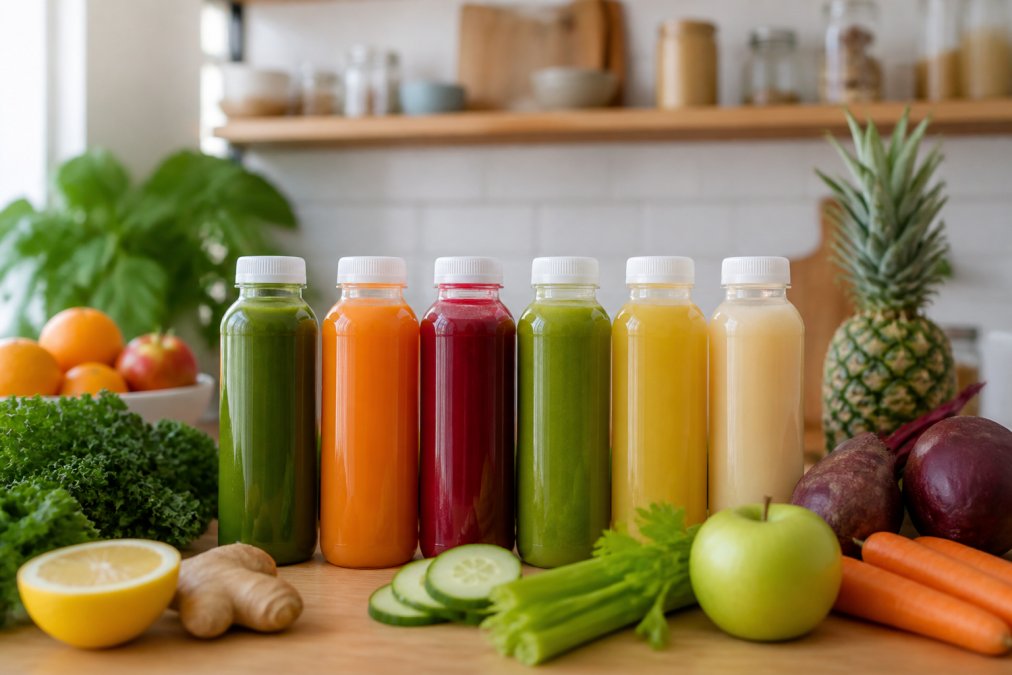
 ultimate-guide
How to Choose a Healthy Juice Cleanse: 2026 Guide
Table of Contents
- What Makes a Juice Cleanse Healthy (and What Doesn't)
- How Long Should a Juice Cleanse Last?
- Juice Cleanse Preparation Tips: How to Get Your Body Ready
- Cold-Pressed vs Centrifugal Juice: Which Is Better for a Cleanse?
- What to Expect During a Cleanse (and How to Handle It)
- The Post-Cleanse Transition: Reintroduction Done Right
- DIY vs Commercial Cleanses: Cost, Control, and Quality
- Red Flags: Ingredients to Avoid and Who Should Skip Cleanses
- Frequently Asked Questions
Last Updated: September 21, 2026
What Makes a Juice Cleanse Healthy (and What Doesn't)
A healthy juice cleanse is a short, structured period of drinking cold-pressed fruit and vegetable juices that keeps you adequately fed, hydrated, and functional, rather than one that pushes extreme restriction. The difference between the two comes down to design, not willpower.
The single most useful filter is the 80/20 rule.
The 80/20 Rule for Juicing
Build roughly 80% of your daily intake around vegetable-based juices and 20% around fruit-based ones. Vegetable juices deliver micronutrients with far less sugar; fruit supplies quick energy and makes the whole thing drinkable.
Signs a Cleanse Is Right for You
A cleanse suits you if you're generally healthy, well hydrated, sleeping reasonably well, and after a short metabolic reset rather than a fix for a medical problem. It is not a treatment for any condition.
Ask yourself three questions before you commit:
- Are my energy levels and digestion currently stable?
- Can I protect two to five days with a lighter schedule?
- Am I doing this for a specific goal, or because it sounds virtuous?
How Long Should a Juice Cleanse Last?
Most people get the best results from a one-day reset or a three-day cleanse. A five-day program suits experienced cleansers with a flexible schedule; anything longer moves into medical supervision territory.
1-Day Reset vs 3-Day Cleanse vs 5-Day Program
| Duration | Best For | Difficulty | Typical Experience |
|---|---|---|---|
| 1-day reset | First-timers, busy weeks | Low | Mild hunger, steady energy |
| 3-day cleanse | Regular cleansers, weekend window | Medium | Day 2 dip, then improvement |
| 5-day program | Experienced cleansers, light schedule | High | Stronger detox symptoms early |
The three-day cleanse is the sweet spot for most people: long enough to feel like a genuine break from normal eating, short enough to work and parent through.
Juice Cleanse Preparation Tips: How to Get Your Body Ready
Prepare two to three days ahead by tapering caffeine, cutting alcohol, and shifting toward lighter, plant-based meals. Going straight from a heavy diet into juice is the fastest route to headaches and a miserable first day.
Here's what a practical pre-cleanse window looks like:
- Days 3 to 2 out: Reduce caffeine by about half each day. Add an extra glass of water between meals.
- Day before: Cut alcohol, fried food, and heavy dairy. Eat a dinner built around vegetables and a modest portion of protein.
- Morning of: Start with water, not juice. Give your digestive system a gentle on-ramp.
Cold-Pressed vs Centrifugal Juice: Which Is Better for a Cleanse?
Cold-pressed juice is generally the better choice for a cleanse because the method exposes produce to less heat and oxygen, preserving heat-sensitive micronutrients and enzyme activity. Centrifugal juicing is faster and cheaper but introduces more air and friction.
Nutritional Profile: What You Actually Get in Each Bottle
A well-built juice gives you micronutrients, hydration, and some natural sugars, but no meaningful protein or fiber, since juicing strips most of the fiber out with the pulp.
Two practical fixes:
- Pair juices with a fiber source where your cleanse allows it, such as a small serving of whole fruit.
- Watch total fruit sugar across the day, especially if blood sugar regulation is a concern for you.
What to Expect During a Cleanse (and How to Handle It)
Expect day one to feel manageable and day two to be the hardest. Most people report a dip in energy, mild headaches, and stronger hunger on day two, then steadier energy on day three.
Hydration, Caffeine Withdrawal, and Energy Levels
Hydration is the variable most people neglect. Juice is not a substitute for water, and a cleanse raises your fluid needs rather than lowering them.
The Post-Cleanse Transition: Reintroduction Done Right
The reintroduction phase matters as much as the cleanse itself. Break your fast with easily digestible, plant-based foods, then add protein and heavier foods gradually.
A workable reintroduction sequence:
- First meal: Soft cooked vegetables, a simple soup, or fruit with some fiber.
- Next 24 hours: Add lean protein and whole grains in modest portions.
- Following days: Return to your normal diet, keeping the vegetable-forward habits you built.
DIY vs Commercial Cleanses: Cost, Control, and Quality
DIY cleanses give you full control over ingredients and let you tune the vegetable-to-fruit ratio exactly. Commercial cleanses give you convenience, consistent cold-pressed quality, and a schedule you don't have to think about.
Red Flags: Ingredients to Avoid and Who Should Skip Cleanses
Walk away from any cleanse leaning on added sugar, artificial sweeteners, or "detox" herbs with no ingredient transparency. A good cleanse is recognizable produce and little else.
Red flags to check before you buy:
- Added sugar or syrups high on the ingredient list
- Proprietary "detox blends" with no ingredient breakdown
- Claims that a cleanse treats a disease or replaces medical care
- No information on pressing method or how long the juice has been bottled
- Juice that has been sitting on a shelf for days with no cold-chain disclosure
Who Should Skip a Juice Cleanse, and Why
Most guides wave at safety in a single sentence. That's not good enough, because the people most drawn to cleanses are often the ones who should be most careful.
Never use a cleanse to "make up for" a period of overeating. That framing turns food into a punishment-and-reward system, which is exactly the pattern that makes cleanses backfire. If you notice yourself negotiating with food this way, stop the cleanse and talk to a registered dietitian or therapist.
The Psychological Reset, the Part Most Guides Ignore
The physical side of a cleanse gets all the attention. The mental side is where the real value, or the real risk, lives.
A few practical guardrails:
- Set an intention before you start, "I want to notice my hunger cues" beats "I want to be good."
- Don't weigh yourself during or immediately after. The number reflects water and glycogen, not fat, and it will mislead you.
- Plan the reintroduction meal before day one, so the end of the cleanse isn't a cliff.
- If food thoughts crowd out everything else, end the cleanse early. That's not failure; it's good judgment.
Frequently Asked Questions
What is the healthiest juice cleanse?
The healthiest juice cleanse is one built on 100% raw, cold-pressed juice from organic fruits and vegetables, with no added sugar or preservatives. It should include a clear duration (usually 1-3 days), a pre-cleanse prep plan, and a structured reintroduction phase. Look for nutrient-dense blends that balance leafy greens with low-glycemic fruits to avoid blood sugar spikes. A healthy juice cleanse supports your health goals without extreme calorie restriction.
How long should a healthy juice cleanse last?
Most people do well with a 1-day reset or a 3-day cleanse. A 5-day program can work for experienced cleansers, but longer fasts should be supervised by a healthcare provider. The right duration depends on your activity level, prior experience, and health goals. If you are new to juicing, start with one day and see how your body responds before committing to a longer plan.
Is a juice cleanse actually healthy?
A short, well-designed juice cleanse can be healthy when it emphasizes nutrient-dense, plant-based ingredients and adequate hydration. It gives your digestive system a break and can support mental clarity. However, cleanses are not a long-term fix, and they are not right for everyone. People with diabetes, kidney conditions, or a history of disordered eating should talk to a doctor first.
What should I look for in a high-quality juice cleanse?
Look for cold-pressed juice made from whole fruits and vegetables, transparent ingredient lists, and no added sugar or artificial additives. A reputable provider will state the pressing method, sourcing, and how the juice is stored. Ask about fiber content and whether the cleanse includes protein or healthy fats. Locally owned shops that press fresh daily usually offer better freshness and transparency than mass-produced options.
How do I prepare my body for a juice cleanse?
Start 2-3 days before by cutting caffeine, alcohol, refined sugar, and processed foods. Increase water intake and add more raw vegetables and whole fruits to your meals. Eat smaller portions and reduce red meat and dairy. This pre-cleanse phase eases caffeine withdrawal and blood sugar swings, making the cleanse itself more comfortable. Get extra sleep the night before you begin.
What are the signs of a reputable juice cleanse provider?
A reputable provider offers cold-pressed juice pressed fresh daily, clear ingredient sourcing, and no added sugar. They provide guidance on cleanse duration, preparation, and post-cleanse reintroduction. They are transparent about their process and can answer questions about fiber, protein, and glycemic index. Locally owned shops that let you visit and see the pressing process are often a good sign.
Are there specific ingredients to avoid in a juice cleanse?
Avoid juices with added sugar, high-fructose corn syrup, artificial flavors, or preservatives. Skip blends that are mostly high-glycemic fruit like pineapple or mango without leafy greens to balance them. Also avoid pasteurized juices marketed as 'fresh' if you want raw enzyme activity. If you have a health condition, check with your doctor about ingredients like grapefruit, which can interact with medications.
What is the 80/20 rule for juicing?
The 80/20 rule means building each juice with about 80% vegetables and 20% fruit. This keeps sugar content low and nutrient density high. Leafy greens, cucumber, celery, and herbs make up the vegetable base, while apple, lemon, or berries add flavor. Following this ratio helps regulate blood sugar and makes the cleanse more sustainable for your health goals.