 how-to
How to Identify Fresh Pressed Juice: A Complete Guide
Table of Contents
- What Makes Fresh Pressed Juice Different
- Step 1: Read the Label and Understand Extraction Method
- Step 2: Inspect Visual Indicators of Juice Quality
- Step 3: Evaluate Smell and Taste
- How Long Does Fresh Pressed Juice Last
- Signs Your Fresh Pressed Juice Has Gone Bad
- Benefits of Daily Green Juice
- Conclusion
- Frequently Asked Questions
Last Updated: August 30, 2026
What Makes Fresh Pressed Juice Different
Fresh pressed juice stands apart from mass-produced alternatives because of how it's extracted and processed. The difference isn't just marketing, it fundamentally changes what you're drinking.
When you identify fresh pressed juice, you're looking for juice that's been extracted using mechanical pressure rather than heat or chemicals. This preservation method matters because it protects the enzymes, nutrients, and cellular structure that degradation during processing would otherwise destroy.
The extraction method determines everything that follows: shelf life, nutrient density, taste, and safety. Understanding these differences helps you make informed choices about what you're consuming.
Cold-Pressed vs Centrifugal Extraction
Cold-pressed juice is extracted using a hydraulic press that applies thousands of pounds of pressure to fruits and vegetables without generating heat. This method preserves heat-sensitive nutrients and enzymes that oxidation would otherwise damage. The process is slower and yields less juice per pound of produce, which is why cold-pressed options typically cost more.
Centrifugal extraction uses high-speed spinning to separate juice from pulp. The spinning motion generates friction and heat, which can degrade some nutrients and enzymes. This method extracts juice faster and yields more liquid, making it the standard for commercial juice bars and retail operations.
The practical difference: cold-pressed juice retains more enzyme activity and micronutrient density, while centrifugal juice loses some of these benefits but costs less to produce. Neither method is inherently "wrong", they serve different purposes and markets.
At Roxberry Juice Co., we use cold-pressed extraction specifically because it aligns with our commitment to preserving nutrient density and enzyme activity. When you're choosing between extraction methods, ask yourself whether you prioritize maximum nutrient retention or affordability.
Cold-Pressed vs Pasteurized Juice
Pasteurization applies heat (usually 160-190°F for 15-30 seconds) to kill pathogens and extend shelf life. This process makes juice safer for longer storage and distribution but destroys heat-sensitive nutrients and enzymes.
High-pressure processing (HPP) is a non-thermal alternative that uses extreme pressure (87,000 PSI) to eliminate pathogens while preserving nutrients and enzymes. HPP allows juice to stay fresh for 30+ days without refrigeration while maintaining cold-pressed quality.
Unpasteurized fresh-pressed juice carries higher food safety risk because it lacks any pathogen elimination step. Raw juice can contain harmful bacteria like E. coli and Listeria, particularly if made from unwashed produce or in facilities without rigorous safety protocols (the CDC).
The choice between these methods affects both shelf life and nutritional value. Pasteurized juice lasts longer but loses enzyme activity. HPP offers a middle ground: extended shelf life with preserved nutrients. Unpasteurized juice requires immediate consumption and careful sourcing to minimize contamination risk.
Step 1: Read the Label and Understand Extraction Method
Start by examining what the label actually tells you about how the juice was made. The extraction method and processing technique appear in the ingredient list and processing statement, usually near the bottom of the label.
Look for language like "cold-pressed," "hydraulic press," or "high-pressure processing" (HPP). These terms indicate the juice was made using methods that preserve nutrients. If the label says "pasteurized" or lists "heat-treated," the juice has undergone thermal processing that reduces enzyme activity.
Check the ingredient statement. Fresh pressed juice should list only fruits, vegetables, and possibly water. If you see added sugars, preservatives, or artificial flavors, the juice has been modified beyond simple extraction. Additives like sodium benzoate or potassium sorbate indicate the manufacturer needed chemical preservation because the juice lacks natural stability.
Look at the "Best By" date. Fresh-pressed unpasteurized juice typically expires within 3-5 days (the FDA). HPP juice lasts 30+ days. Pasteurized juice can last weeks or months. The expiration window tells you which processing method was used.
The label should also disclose whether the juice is raw (unpasteurized) or processed. Regulatory labeling requires disclosure of safety treatments, so if nothing is mentioned, assume the juice has been treated in some way. Transparent manufacturers clearly state their extraction and preservation methods because they understand customers want to know.
Step 2: Inspect Visual Indicators of Juice Quality
Visual inspection reveals whether juice has undergone oxidation, fermentation, or contamination. Fresh juice should look vibrant and clear, while degraded juice shows distinct warning signs.
Color and Clarity
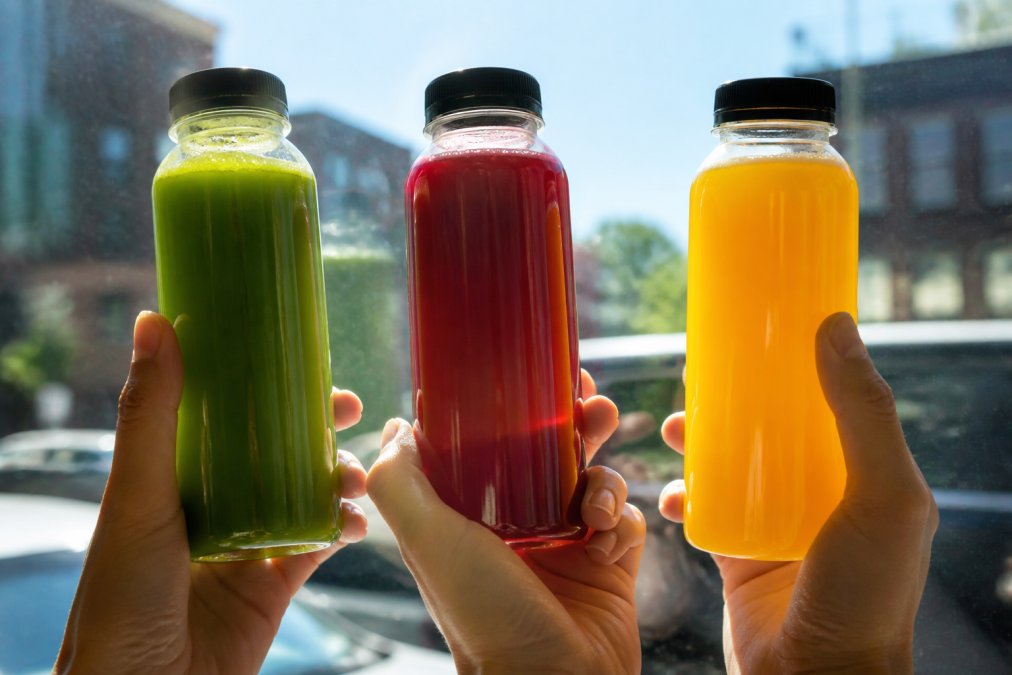
Fresh pressed juice displays bright, saturated color that matches the source produce. A vibrant green juice should look like liquid chlorophyll, not murky or brown-tinted. Citrus juice should appear translucent and golden or orange, not cloudy or dull. Berry juice should show deep, rich color without separation or discoloration.
Oxidation causes color fading and browning, particularly in juices with high enzyme content. Within hours of pressing, exposed surfaces may turn slightly darker as enzymes interact with oxygen. This oxidation accelerates in unpasteurized juice because active enzymes continue breaking down pigments and nutrients.
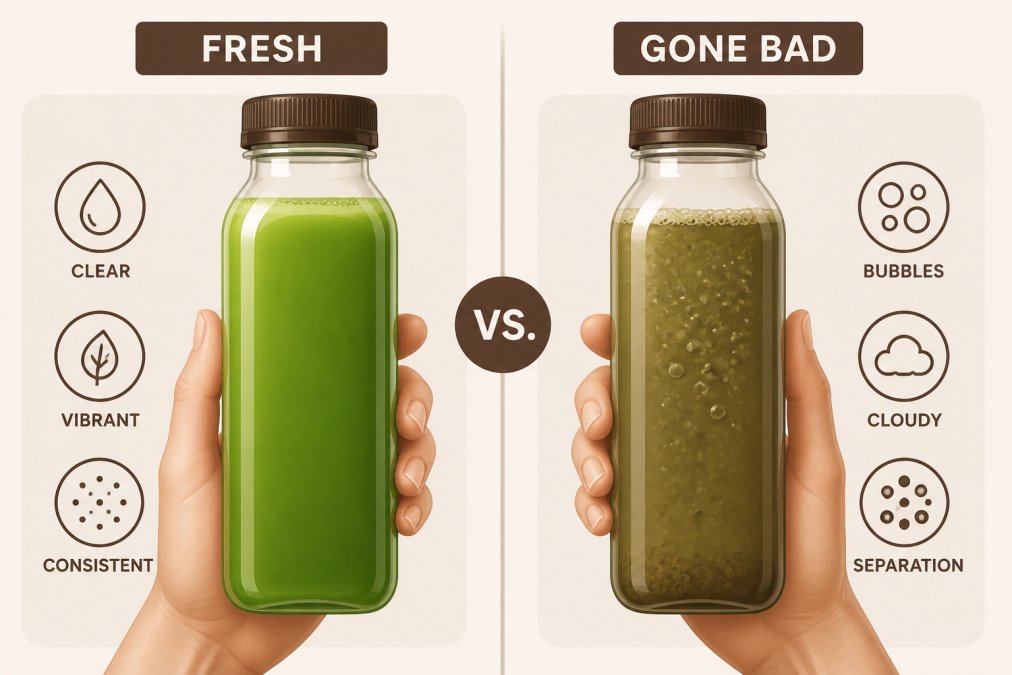
Murky or cloudy appearance indicates fermentation, bacterial growth, or settling of solids. Fermentation produces gas bubbles and cloudiness as microorganisms consume sugars and produce alcohol and carbon dioxide. Bacterial contamination creates haziness without the characteristic fermentation smell. Sedimentation, where pulp and minerals settle to the bottom, is normal in fresh-pressed juice but shouldn't make the liquid completely opaque.
Sedimentation and Separation
Fresh pressed juice naturally separates over time because pulp, fiber, and minerals settle to the bottom. This sedimentation is normal and doesn't indicate spoilage. A layer of darker material at the bottom of the bottle is simply concentrated nutrients and fiber settling out.
You can shake the bottle to redistribute these solids, or pour carefully to leave them behind, both approaches are fine. The presence of sedimentation actually indicates the juice hasn't been heavily filtered or processed.
However, excessive separation where the liquid appears completely clear and watery on top with thick sludge on the bottom suggests the juice is aging. Fresh juice shows some separation, but not dramatic stratification. If more than 30% of the bottle appears to be settled solids, the juice has likely been sitting longer than optimal.
Gas bubbles or foam indicate fermentation, which means microorganisms are actively consuming sugars. A few small bubbles near the surface are normal from initial pressing, but persistent bubbling throughout the liquid means fermentation has begun and the juice should not be consumed. identifying authentic organic ingredients.
Step 3: Evaluate Smell and Taste
Your nose detects spoilage before your mouth does. Fresh juice should smell clean, bright, and true to its ingredients. Green juice smells grassy and vegetal. Citrus juice smells sharp and citrusy. Berry juice smells sweet and fruity.
Off-smells indicate fermentation or bacterial growth. A sour, vinegar-like smell means fermentation is underway. A musty or moldy smell suggests bacterial contamination. A sharp, unpleasant smell that doesn't match the ingredients is a clear warning sign.
If the smell seems off, do not taste the juice. Smell is your primary safety indicator. Taste testing should only happen if the juice passes visual and olfactory inspection.
When you do taste fresh juice, the flavor should be clean and bright without any bitter, sour, or off-notes. The sweetness should come from the natural fruit sugars, not from added sweeteners. If the taste is unpleasant or different from what you expect, spit it out. Your taste buds can detect some off-flavors, but smell is more reliable for detecting dangerous contamination.
How Long Does Fresh Pressed Juice Last
Shelf life depends entirely on the extraction method, processing technique, and storage conditions. Understanding these timelines helps you consume juice at peak quality and avoid spoilage.
Shelf Life by Juice Type
Cold-pressed unpasteurized juice lasts 3-5 days when refrigerated at 35-40°F. The absence of any pathogen elimination means the juice relies on cold temperature to slow microbial growth. Once removed from refrigeration, this juice degrades rapidly.
HPP (high-pressure processed) juice lasts 30+ days when refrigerated, even without pasteurization. The pressure treatment eliminates pathogens while preserving nutrients and enzymes. This extended shelf life makes HPP the standard for commercial fresh-pressed juice distribution.
Pasteurized juice lasts 2-3 weeks refrigerated or several months shelf-stable (unrefrigerated). The heat treatment kills pathogens and inactivates enzymes, which slows degradation significantly. Shelf-stable pasteurized juice can sit at room temperature until opened.
Fresh-squeezed juice (made with centrifugal extraction) lasts 24-48 hours refrigerated. The faster extraction speed and lack of pressure treatment means juice oxidizes more quickly. Centrifugal juice should be consumed immediately or within a day for best quality.
At Roxberry Juice Co., our fresh-pressed juices are made to order or processed with HPP to ensure they reach you at peak freshness while maintaining nutrient density. When you're evaluating juice options, ask about the processing method and expected shelf life, these two factors directly determine how long you can store the juice safely.
Storage Best Practices
Store fresh-pressed juice in the coldest part of your refrigerator, typically the back of the bottom shelf where temperature stays most consistent at 35-40°F (the FDA). Avoid the door, where temperature fluctuates each time you open the refrigerator.
Use airtight glass bottles or containers. Glass doesn't leach chemicals and doesn't absorb flavors the way plastic can. Airtight sealing slows oxidation by minimizing air exposure.
Keep juice away from light. Exposure to sunlight and fluorescent light accelerates oxidation and nutrient degradation. Store in opaque containers or keep bottles in a dark cupboard if possible.
Do not freeze fresh-pressed juice unless you plan to use it for smoothies or cooking. Freezing ruptures cell walls and changes texture dramatically. Thawed juice becomes watery and loses the fresh mouthfeel of cold-pressed juice.
Once opened, consume refrigerated juice within 24 hours. Exposure to air accelerates oxidation and microbial growth. Each time you open the bottle, you introduce new oxygen and potential contamination.
Signs Your Fresh Pressed Juice Has Gone Bad
Spoiled juice shows clear warning signs. Trust your senses, if something seems off, do not consume it.
Fermentation bubbles indicate active microbial growth. Bubbles throughout the liquid or foam on the surface mean bacteria or yeast are consuming sugars. This juice is no longer safe to drink.
Sour or vinegar smell is the most reliable spoilage indicator. Fermentation produces acetic acid, which creates this distinctive off-smell. If your juice smells like vinegar, fermentation has begun.
Mold growth appears as visible fuzzy growth, typically white or green, on the surface or sides of the bottle. Any mold means the juice is contaminated and should be discarded immediately.
Separation with darkening where the top layer is clear and watery while the bottom is dark and thick suggests the juice is aging beyond its shelf life. While some separation is normal, dramatic stratification indicates the juice has been stored too long.
Discoloration that doesn't match natural oxidation, brown spots, pink or gray tints, or colors that don't match the original juice, indicates bacterial or mold contamination.
Slimy texture or unusual viscosity when you pour suggests bacterial growth has changed the juice's structure. Fresh juice should flow smoothly without any slime or unusual thickness.
Unusual taste that's sour, bitter, or unpleasant is your final check. If you taste something off, spit it out immediately. Do not consume juice that tastes wrong.
Benefits of Daily Green Juice
Green juice made from leafy vegetables, celery, cucumber, and apple provides concentrated micronutrients in liquid form. Consuming green juice regularly contributes to overall nutrient intake, though it should complement rather than replace whole foods.
Green juice contains vitamins, minerals, and phytonutrients from vegetables in concentrated amounts. A single 16-ounce green juice might contain the nutrients equivalent to several servings of vegetables. This density makes juice efficient for nutrient delivery, particularly for people with busy schedules who struggle to eat enough whole vegetables.
The enzyme content in fresh-pressed green juice supports digestive function. Enzymes break down food molecules, which can ease the digestive burden, particularly for people with compromised digestion. This is why many people report feeling lighter or more energized after consuming fresh juice.
Green juice typically contains less sugar than fruit juice because it relies primarily on vegetables. A vegetable-based green juice might contain 10-15 grams of natural sugars, while fruit juice can contain 30-40 grams. This lower sugar content makes green juice more suitable for people monitoring carbohydrate intake.
Regular green juice consumption contributes to hydration and micronutrient status. The high water content and mineral content support cellular hydration, and the concentrated vitamins and minerals fill nutritional gaps. People who consume green juice regularly often report improved energy, clearer skin, and better digestion.
However, green juice should not replace whole vegetables or whole foods. Juice lacks the fiber that whole vegetables provide, and fiber is essential for digestive health, blood sugar regulation, and satiety. Think of fresh-pressed juice as a supplement to your diet, not a replacement for whole foods.
Conclusion
Identifying fresh pressed juice requires attention to extraction method, visual indicators, smell, and taste. The difference between fresh-pressed and processed juice matters because it directly affects nutrient density, enzyme activity, and shelf life.
When you choose fresh-pressed juice, you're investing in concentrated nutrition and authentic flavor. At Roxberry Juice Co., we're committed to providing 100% natural, fresh-pressed juices that restore great digestion, increase energy, and improve mental clarity. Our cold-pressed extraction method and transparent sourcing mean you know exactly what you're getting. Download our app to find your nearest location and experience the difference fresh-pressed juice makes.
Frequently Asked Questions
What is the difference between cold-pressed and fresh-squeezed juice?
Cold-pressed juice uses a hydraulic press to extract juice from fruits and vegetables, resulting in higher nutrient density and enzyme activity. Fresh-squeezed juice comes from a centrifugal juicer that spins produce at high speeds. Cold-pressed juice typically lasts 3-5 days refrigerated, while fresh-squeezed lasts 24 hours. Cold-pressed extracts more nutrients because the hydraulic process generates minimal heat and oxidation, preserving more vitamins and enzymes compared to the heat generated by centrifugal extraction.
How can you tell if juice has been pasteurized?
Check the label for 'pasteurized' or 'high-pressure processing (HPP)' statements. Pasteurized juice has been heat-treated to kill pathogens and extend shelf life, which also reduces enzyme activity and nutrient density. HPP uses extreme pressure instead of heat, preserving more nutrients while still ensuring food safety. Unpasteurized juice requires refrigeration and has a shorter shelf life. If the label lists an expiration date 2+ weeks away and the juice was refrigerated at purchase, it's likely pasteurized or HPP-treated.
What are the signs that fresh pressed juice has gone bad?
Spoilage indicators include murky or discolored appearance, visible fermentation bubbles, sour or off smell, and unusual taste. Mold, cloudiness beyond normal sedimentation, and separation with a pungent odor all signal microbial growth and contamination. Trust your senses: if the juice looks, smells, or tastes off, discard it. Fresh pressed juice past its expiration date or left unrefrigerated for more than 2 hours should not be consumed due to food safety risks.
How long can fresh pressed juice stay fresh in the refrigerator?
Cold-pressed juice lasts 3-5 days when refrigerated immediately after production. Fresh-squeezed juice lasts only 24 hours. Pasteurized or HPP-treated juice can last 2-3 weeks. Store juice in an airtight glass bottle at 35-40°F. Keep it away from light and heat, as oxidation degrades nutrients and enzyme activity over time. The colder the temperature and the more airtight the seal, the longer your juice stays fresh and safe to drink.