 how-to
How to Reduce Daily Bloating: 7 Proven Steps
Table of Contents
- What Causes Daily Bloating
- Foods That Cause Bloating and What to Eat Instead
- How to Improve Digestion Naturally Through Eating Habits
- Hydration and Movement: Two Critical Bloating Reducers
- Signs of Poor Gut Health You Shouldn't Ignore
- Stress, Sleep Position, and Hormones: Often-Overlooked Bloating Triggers
- Quick Post-Meal Routine to Reduce Daily Bloating
- Frequently Asked Questions
Last Updated: August 20, 2026
What Causes Daily Bloating
Bloating happens when your gastrointestinal tract fills with gas or fluid, creating that uncomfortable feeling of abdominal distension. The sensation often stems from how your body processes food, manages air intake, or responds to what you eat. Understanding the root causes is the first step toward meaningful relief.
Several mechanisms trigger bloating. Aerophagia, swallowing excess air while eating, is one of the most common culprits, especially when you eat quickly or while talking. Digestive enzymes work to break down food, but when they move slowly through your system, gas builds up. Food intolerances, particularly to lactose or certain carbohydrates, can cause fermentation in your gut that produces additional gas. Constipation also plays a major role: when bowel movements slow, waste sits longer in your colon, creating bloating and discomfort.
Beyond the digestive mechanics, your gut microbiome, the community of bacteria living in your intestinal tract, influences how efficiently you process meals. An imbalanced microbiome can lead to excessive gas production and poor digestion. This is where many people miss the real problem: they focus only on what they eat, ignoring how their body is actually processing it.
At Roxberry Juice Co., we've worked with health-conscious customers who discovered that bloating wasn't always about eating less, it was about eating smarter and supporting their digestive system with nutrient-dense whole foods and fresh-pressed juices that don't require as much digestive effort as processed alternatives.
Foods That Cause Bloating and What to Eat Instead
Certain foods predictably trigger bloating in many people. Carbonated beverages are obvious culprits, the bubbles introduce gas directly into your system. High-FODMAP foods (fermentable oligosaccharides, disaccharides, monosaccharides, and polyols) ferment in your gut and produce gas. These include onions, garlic, wheat, certain fruits, and legumes. Cruciferous vegetables like broccoli and cabbage contain compounds that create gas during digestion.
Dairy products trigger bloating if you have lactose sensitivity. Fatty, fried foods slow gastric emptying, meaning food sits in your stomach longer, creating that heavy, bloated feeling. Artificial sweeteners and sugar alcohols like sorbitol can cause fermentation and bloating as well.
The fix isn't elimination, it's replacement. Instead of carbonated drinks, reach for still water, herbal infusions like peppermint tea, or fresh-pressed juices that provide nutrients without the gas-producing additives. Replace high-FODMAP vegetables with easier-to-digest options: carrots, green beans, spinach, and zucchini. Choose lean proteins over fatty cuts. If dairy bothers you, try lactose-free options or plant-based alternatives.
Potassium-rich foods like bananas and sweet potatoes support healthy digestion and can reduce bloating over time. Ginger and turmeric have natural anti-inflammatory properties that calm the gastrointestinal tract. Soluble fiber from oats and berries feeds your good gut bacteria without the gas production of insoluble fiber in excess.
The strategy here is straightforward: identify which foods consistently cause your bloating, then swap them for nutrient-dense alternatives that your system tolerates better. This takes experimentation, everyone's digestive health is different.
How to Improve Digestion Naturally Through Eating Habits
Digestion begins before food enters your mouth. Your mindful eating habits, how you approach meals, determine whether your digestive system works efficiently or struggles.
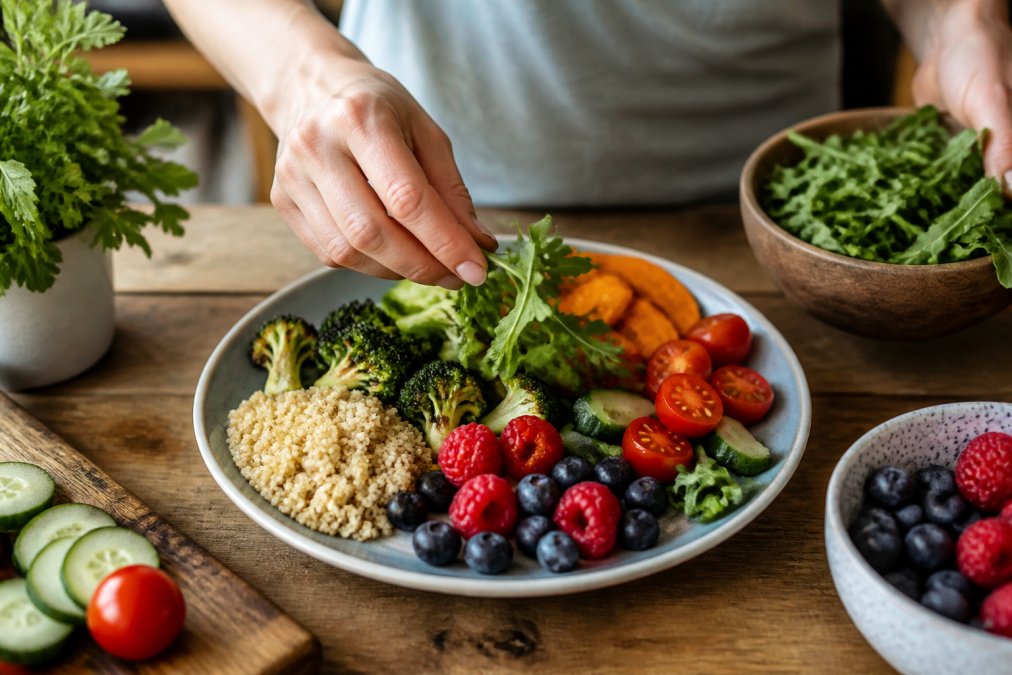
The first rule is simple: slow down. Fast eating prevents your digestive enzymes from breaking down food properly and increases aerophagia. Aim to spend at least 20 minutes on each meal. Chew thoroughly, at least 20-30 times per bite. This mechanical breakdown reduces the work your stomach has to do and signals satiety to your brain, preventing overeating.
Eat smaller, more frequent meals rather than three large ones. A smaller meal moves through your system faster, reducing the time gas has to accumulate. Large meals overwhelm your digestive capacity and create that bloated, uncomfortable sensation.
Timing matters too. Eat your largest meal at lunch when your metabolic rate is highest, and keep dinner lighter. Avoid eating within three hours of bedtime, your digestive system works best when you're upright and active, not lying down.
The composition of your meals affects digestion significantly. Pair protein with complex carbohydrates and healthy fats. This combination slows gastric emptying in a healthy way, stabilizing blood sugar and preventing the rapid fermentation that creates gas. Include foods that support your gut microbiome: fermented options like yogurt (if tolerated), fiber-rich vegetables, and prebiotic foods that feed beneficial bacteria.
Roxberry Juice Co.'s fresh-pressed juices support natural digestion because they're already broken down by the pressing process, requiring minimal digestive effort while delivering concentrated nutrients. For those struggling with daily bloating, a fresh juice can provide nutrition without the heavy digestive load of whole foods.
Hydration and Movement: Two Critical Bloating Reducers
Dehydration paradoxically causes bloating. When your body doesn't receive enough water, it retains fluid, creating abdominal distension. Proper hydration levels support optimal gut motility, the movement of food through your digestive tract. Without adequate water, food moves slowly, gas accumulates, and bloating worsens.
Drink water consistently throughout the day, but avoid large quantities with meals. A small amount of water with food aids digestion, but excessive liquid dilutes stomach acid and slows the digestive process. Herbal infusions like peppermint tea have the added benefit of relaxing digestive muscles and reducing bloating directly.
Movement is equally critical. A sedentary lifestyle slows gut motility, allowing food to sit longer in your system. Even light activity, a 10-minute walk after meals, significantly improves digestion and reduces bloating. The movement physically stimulates your intestines to contract and push food forward. natural bloating relief.
More intense exercise also helps, but timing matters. Avoid vigorous activity immediately after eating; wait at least 30-60 minutes. Light walking immediately after a meal is ideal. Gentle yoga, particularly poses that twist or compress the abdomen, can stimulate gas transit and provide relief from bloating.
This combination of hydration and movement creates a powerful bloating-reduction strategy. You're not changing what you eat, you're changing how your body processes it.
Signs of Poor Gut Health You Shouldn't Ignore
Your digestive system sends clear signals when something's wrong. Recognizing these signs of poor gut health prevents bloating from becoming chronic.
Persistent bloating that occurs daily or after most meals indicates your gut microbiome or digestive capacity needs attention. Inconsistent bowel movements, alternating between constipation and loose stools, suggest dysbiosis (microbial imbalance). Chronic gas, belching, or a feeling of heaviness in your stomach point to poor digestion or food intolerances.
Brain fog, fatigue, and mood changes often correlate with poor gut health because your microbiome produces neurotransmitters that affect mental clarity and energy. Skin issues like acne or eczema sometimes reflect internal digestive inflammation. Food cravings, especially for sugar or processed foods, can indicate an imbalanced microbiome.
Red flag symptoms requiring clinical diagnosis include severe abdominal pain, blood in stool, unexplained weight loss, or persistent diarrhea lasting more than a few weeks. These warrant a conversation with a healthcare provider to rule out conditions like inflammatory bowel disease, celiac disease, or other gastrointestinal disorders.
Most everyday bloating, however, responds to the lifestyle and dietary changes outlined here. The key is consistency. Changes to your digestive health take 4-6 weeks to show measurable improvement, so patience is essential.
Stress, Sleep Position, and Hormones: Often-Overlooked Bloating Triggers
Here's what most guides miss: bloating isn't purely digestive. Your nervous system, sleep quality, and hormonal cycle profoundly influence how much you bloat.
Stress triggers the "fight or flight" response, which diverts blood away from your digestive system and slows gut motility. When you're stressed, your body prioritizes survival over digestion. Chronic stress creates persistent bloating. Practices like meditation, deep breathing, or simply taking 5 minutes before meals to calm your mind significantly reduce stress-related bloating.
Sleep position affects digestion too. Sleeping on your right side promotes gastric emptying and reduces nighttime bloating. Sleeping on your left side or your back can slow digestion and trap gas. If you wake up bloated, try adjusting your sleep position for a week and observe the difference.
Hormonal fluctuations, particularly in people with menstrual cycles, create predictable bloating patterns. Progesterone levels rise in the luteal phase (after ovulation), slowing gut motility and increasing water retention. This is why bloating often peaks in the days before menstruation. Tracking your bloating against your menstrual cycle helps you anticipate when you're most vulnerable and adjust your diet and movement accordingly.
Women often don't connect their hormonal cycle to bloating because they assume it's a food or digestion problem. It's not always. Understanding your menstrual cycle correlation helps you manage expectations and adjust strategies during high-bloating phases.
Quick Post-Meal Routine to Reduce Daily Bloating
The 15 minutes after eating determine whether you'll experience bloating or feel comfortable. This post-meal routine is where many people create relief without changing what they eat.
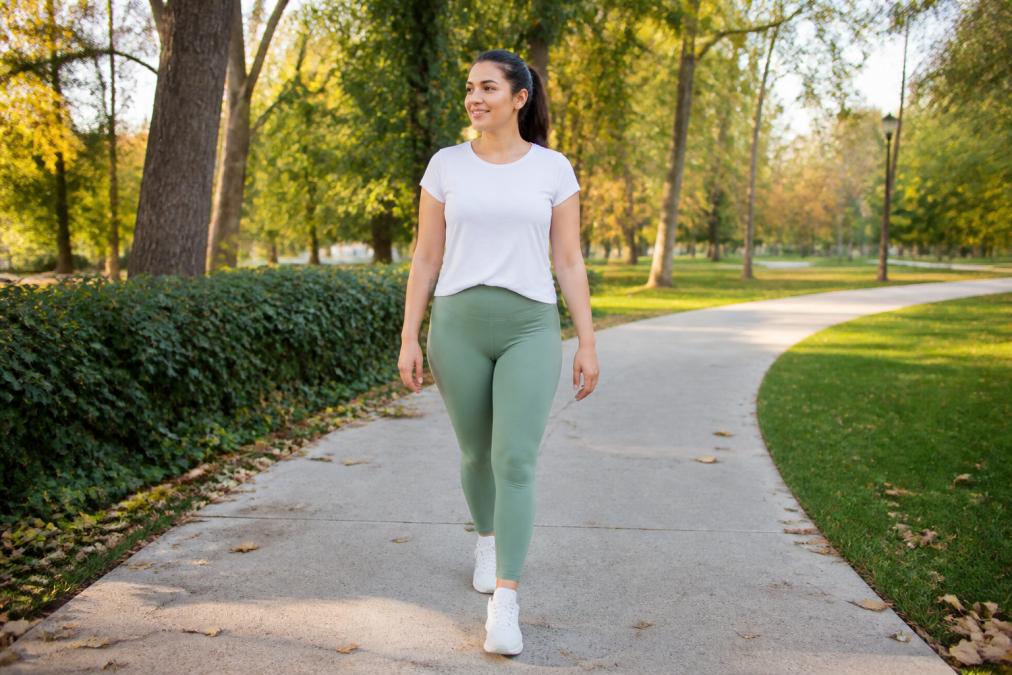
Immediately after finishing a meal, stand or sit upright for at least 10 minutes. Don't lie down or slouch, your posture affects how food moves through your system. Upright positioning uses gravity to help food move from your stomach into your small intestine.
After 10 minutes, take a 10-15 minute walk. This doesn't need to be fast or intense, a gentle stroll around your home, office, or neighborhood works perfectly. The movement stimulates intestinal contractions and prevents gas from accumulating. Walking is one of the most underrated bloating remedies.
If you can't walk, gentle stretching or light yoga provides similar benefits. Poses that twist or compress your abdomen, like child's pose or a gentle spinal twist, mechanically stimulate gas transit.
Thirty minutes after eating, drink a cup of herbal tea, ideally peppermint or ginger. These herbal infusions have natural properties that relax digestive muscles and reduce bloating. Peppermint oil has been shown to calm the gastrointestinal tract and reduce discomfort.
This routine takes 15-20 minutes total but prevents hours of bloating. The consistency matters more than perfection, even following this routine 5 days a week creates noticeable improvement.
| Routine Step | Duration | Timing After Meal | Purpose |
|---|---|---|---|
| Remain upright | 10 minutes | Immediately | Gravity aids food movement |
| Light walk or stretching | 10-15 minutes | After 10 minutes | Stimulates gut motility |
| Herbal tea | 5-10 minutes | 30 minutes after | Reduces bloating, calms digestion |
Reducing daily bloating doesn't require extreme diets or supplements. It requires understanding how your body processes food and making targeted changes to eating habits, movement, and stress management. The strategies outlined here address the root causes of bloating, poor digestion, slow gut motility, food intolerances, and stress, rather than just masking symptoms.
Start with one or two changes this week. Track which ones reduce your bloating most effectively. Build from there. Most people see measurable improvement within 3-4 weeks of consistent effort.
Roxberry Juice Co. supports this journey by offering 100% natural, fresh-pressed juices and smoothies blended to order that restore great digestion without the heavy processing load of commercial alternatives. Our signature smoothies and açaí bowls, topped with Roxberry Granola, provide nutrient-dense options that satisfy cravings while supporting your digestive health. Download our app to explore menu options designed for health-conscious individuals seeking to reduce daily bloating and improve overall digestive wellness.
Frequently Asked Questions
Is it normal to be bloated every day?
Daily bloating is not normal and often signals an underlying issue with your digestive system or eating habits. Common causes include food intolerances, insufficient hydration, eating too quickly, or high stress levels. If you experience bloating most days, it's worth identifying triggers through dietary changes and lifestyle adjustments. However, if daily bloating persists for more than two weeks despite making changes, consult a healthcare provider to rule out conditions like IBS or food allergies.
What are the most common triggers for daily bloating?
The primary triggers for daily bloating include carbonated beverages, high-FODMAP foods (onions, garlic, wheat, certain fruits), lactose sensitivity, eating too quickly without chewing properly, insufficient water intake, sedentary habits, and high stress. Additionally, foods that cause bloating vary by person, some struggle with cruciferous vegetables, others with beans or processed foods. Identifying your specific triggers through an elimination diet or food journal can help you reduce daily bloating significantly.
How can I debloat my stomach quickly after a meal?
After eating, take a 10-15 minute walk to stimulate gut motility and help food move through your gastrointestinal tract more efficiently. Drink warm herbal tea like peppermint, which relaxes digestive muscles and reduces abdominal pressure. Avoid lying down immediately after eating; instead, sit upright or recline at a 45-degree angle. Practice deep breathing to calm your nervous system and reduce stress-related tension. These post-meal routines can noticeably reduce bloating within 20-30 minutes.
When should I see a doctor for chronic bloating?
Seek medical attention if bloating is accompanied by severe pain, unexplained weight loss, persistent changes in bowel movements, blood in stool, or lasts more than two weeks despite dietary and lifestyle changes. These red flag symptoms may indicate conditions requiring clinical diagnosis. Additionally, if bloating significantly impacts your quality of life or you suspect a food intolerance or IBS, a healthcare provider can offer personalized guidance and rule out serious gastrointestinal issues.