 ultimate-guide
Juice Cleanse for Beginners 2026: Your 3-Day Plan
Table of Contents
- What a Juice Cleanse Actually Does for Your Body
- How to Prepare for a Juice Cleanse: 3 Days Before You Start
- Your 3-Day Juice Cleanse Plan, Hour by Hour
- Juice Cleanse Side Effects and How to Manage Them
- Budget-Friendly vs. Premium Cleanses: What You're Paying For
- Avoiding Nutrient Gaps During and After Your Cleanse
- Frequently Asked Questions
Last Updated: September 10, 2026
What a Juice Cleanse Actually Does for Your Body
A juice cleanse is a short-term eating plan that replaces solid meals with fresh-pressed fruit and vegetable juices for a set number of days. This juice cleanse for beginners guide from Roxberry Juice Co. breaks down exactly what happens, what to expect, and how to do it safely.
The honest answer is that cleanses do not "flush toxins" the way marketing often claims. Your liver and kidneys already handle detoxification around the clock (peer-reviewed research). What a well-built juice cleanse can do is give your digestive system a break, flood your body with micronutrients from raw produce, and reset habits around sugar and caffeine.
Digestive Rest and Nutrient Absorption
When you stop eating heavy, processed foods for a few days, your gut gets a pause. Fiber intake drops during a juice-only phase, which is why many people notice bloating reduction early on. That same drop in fiber is also the biggest risk, and we will cover how to manage it.
Fresh-pressed juice keeps more of the vitamins and enzymes from raw produce than bottled juice that has been heat-treated. That is the real reason to press your own or buy from a shop that presses to order.
What Cleanses Can and Cannot Do
A juice cleanse can support hydration, electrolyte balance, and a mental reset. It cannot replace medical treatment, cure a condition, or undo months of poor eating in 72 hours.
How to Prepare for a Juice Cleanse: 3 Days Before You Start
Pre-cleanse preparation matters more than the cleanse itself. Jumping straight from coffee and takeout into an all-juice day is the fastest route to headaches, fatigue, and quitting by noon.
Three days out, start tapering. Cut caffeine by half each day so caffeine withdrawal does not hit you all at once. Reduce added sugar, alcohol, and fried food. Add more whole foods: cooked vegetables, brown rice, and lean protein.
The night before, drink plenty of water and get a full night's sleep. Prep your juices or confirm your order so day one is not a scramble.
Your 3-Day Juice Cleanse Plan, Hour by Hour
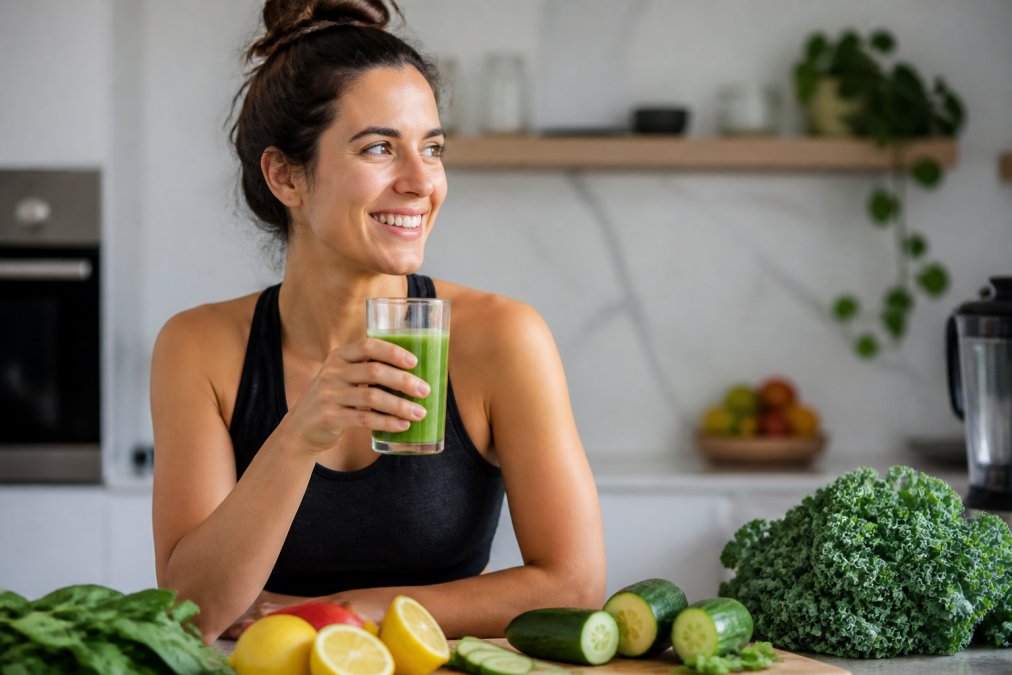
A standard 3-day juice cleanse plan spaces four to six juices across the day, roughly every two to three hours, plus water in between. Most beginners land around 1,000 to 1,400 calories per day on a juice-only plan, which is why keeping the cleanse short matters (peer-reviewed research). Here is how each day typically unfolds, with the timing and volume that most people find manageable.
Day 1: Easing In
Start the morning with 16 ounces of water before your first juice. Around 7 to 8 a.m., a 16-ounce green juice built on leafy greens, cucumber, and citrus. Mid-morning, around 10 a.m., a fruit-forward juice. Lunch, around 12:30 p.m., a green juice with ginger. Afternoon, around 3 p.m., another fruit blend. Evening, around 6 p.m., an almond milk-based juice with turmeric for something creamy and calming. If hunger spikes between juices, sip water or unsweetened herbal tea rather than adding a sixth juice.
Most people feel fine on day one. The hunger is manageable, and energy is still normal. The main adjustment is the loss of chewing, which many beginners find more psychologically difficult than the calorie drop.
Day 2: The Hardest Day
Day two is when hunger management and fatigue show up for most beginners. Headaches from caffeine withdrawal often peak here, usually between the 24- and 48-hour mark (peer-reviewed research). This is normal and typically passes by the evening.
Drink more water than you think you need, aim for at least 64 ounces total across the day, separate from your juices. Add a pinch of sea salt to one juice to support electrolyte balance, especially if you are sweating or exercising. Keep the same four-to-six juice cadence rather than skipping juices to "save" calories; skipping tends to trigger a crash later in the day. If you feel genuinely unwell, persistent dizziness, heart palpitations, or nausea that does not pass, eat a small serving of steamed vegetables. Breaking a cleanse to eat real food is not failure.
Day 3: Finishing Strong
Energy usually rebounds by day three. Many people report improved mental clarity and lighter digestion. Keep the same timing but consider making the final juice of the day smaller, around 12 ounces, to ease the transition into solid food the next morning. benefits of raw honey.
Do not celebrate by eating a heavy meal. That undoes the gentle reset you just gave your gut. Plan your first post-cleanse meal in advance: something like steamed vegetables with a small serving of lean protein is a far better reentry than pizza or a burger.
A Note on Timing and Sleep
Aim to finish your last juice at least two hours before bed. Late juices can disrupt sleep, and poor sleep makes day two and day three feel significantly harder. If you normally work out hard, scale back to walking or light stretching during the cleanse; intense training on a juice-only plan increases the risk of dizziness and muscle loss.
Juice Cleanse Side Effects and How to Manage Them
Common juice cleanse side effects include headaches, fatigue, dizziness, irritability, and changes in bowel habits. Most are mild and fade within 24 to 48 hours, but understanding why they happen makes them easier to manage.
- Headache: usually caffeine withdrawal, not the juice itself. Taper caffeine over the three days before you start to blunt the peak.
- Fatigue: your body is running on fewer calories and less protein than usual. Rest more, skip hard workouts, and do not try to push through with extra caffeine.
- Dizziness: often low electrolytes or low blood sugar. Add a pinch of salt to one juice, and do not go more than three hours between juices.
- Hunger: drink water between juices and keep portions consistent. Hunger that feels sharp or panicky is a sign you need to eat, not push harder.
- Irritability: low blood sugar and habit disruption both contribute. Warn the people around you, and avoid scheduling the cleanse during a high-stakes week.
- Bowel changes: fiber drops sharply on a juice-only plan. Some people get loose stools, others get constipated. A small serving of cooked vegetables or a fiber supplement can help either way.
Signs You Should Stop a Cleanse
A cleanse is not a test of willpower. Stop and eat solid food if you experience:
- Fainting or near-fainting
- Heart palpitations or a racing pulse at rest
- Persistent vomiting or diarrhea
- Confusion, slurred speech, or severe weakness
- Symptoms that worsen instead of easing after 48 hours
If you have diabetes, kidney disease, are pregnant, or take prescription medication, the risk of serious side effects is higher, and a cleanse should only be attempted with a doctor's guidance.
How to Tell Normal Discomfort From a Real Problem
Mild hunger, a dull headache, and low energy on day two are expected. What is not expected is chest pain, confusion, or a pulse that stays elevated while you are resting. When in doubt, eat. You can always start another cleanse later; you cannot undo a medical emergency.
Budget-Friendly vs. Premium Cleanses: What You're Paying For
The cost gap between a budget cleanse and a premium one comes down to three things: pressing method, ingredient quality, and convenience.
| Factor | Budget Approach | Premium Approach |
|---|---|---|
| Pressing | Blender + strainer at home | Cold-pressed to order |
| Ingredients | Conventional produce | Organic, specialty items |
| Convenience | You prep and clean | Ready to drink, delivered |
| Shelf life | Drink within 24 hours | Often longer with cold-press |
| Best for | Tight budgets, flexible schedules | Busy schedules, consistency |
A DIY cleanse using a home blender is the cheapest route, but it costs you time and produces more cleanup. A premium pressed cleanse costs more but removes the prep barrier that causes most beginners to quit. Roxberry Juice Co. offers smoothies blended to order from real fruits and vegetables, which is fresher than a bottled option and easier than doing it all yourself.
Avoiding Nutrient Gaps During and After Your Cleanse
Nutrient deficiency mitigation is the part most guides skip. Juice strips out most of the fiber and some protein that solid food provides, so a few days is the safe ceiling for a beginner cleanse.
Keep these points in mind:
- Fiber: add a fiber source like a small serving of cooked vegetables if you feel constipated
- Protein: a juice-only plan is low in protein, so keep the cleanse short
- Healthy fats: include one almond milk or avocado-based juice for satiety
- Post-cleanse transition: reintroduce whole foods slowly over two to three days
The post-cleanse transition is where sustainable habits get built. Add back cooked vegetables, then lean protein, then grains. If you return to old patterns by day four, the cleanse was just a pause, not a reset.
Frequently Asked Questions
How many pounds can I lose on a 3 day juice cleanse?
Most of the weight lost during a 3-day juice cleanse is water weight, not fat. You might see 2 to 5 pounds drop on the scale, but much of it returns once you resume eating solid food. A juice cleanse can kick off healthier habits, but it is not a weight-loss solution on its own. Focus on how you feel, your energy levels, and whether the reset helps you make better food choices afterward.
How do I prepare my body for a juice cleanse?
Start three days before your cleanse. Cut back on caffeine, alcohol, refined sugar, and heavy processed foods. Add more raw produce, leafy greens, and water to your meals. This gradual transition reduces caffeine withdrawal and blood sugar swings, making the first day of your cleanse much easier. On the night before, eat a light dinner with cooked vegetables and stop eating by 7 p.m. so your digestive system can rest.
What is the hardest day of a juice cleanse?
Day 2 is typically the hardest. By then, your body has burned through its glycogen stores and is adjusting to fewer calories. You may feel fatigue, headaches, or irritability. These are common juice cleanse side effects and usually ease by Day 3. Drink extra water, add a pinch of sea salt to one juice for electrolyte balance, and rest when you can. If symptoms feel severe, stop the cleanse and eat something light.
What should I eat before and after a juice cleanse?
Before your cleanse, eat light meals with cooked vegetables, whole grains, and lean protein for two to three days. Avoid heavy, fried, or processed foods. After your cleanse, do not jump straight into a burger. Start with broth, smoothies, or steamed vegetables, then gradually add solid foods over 24 to 48 hours. This post-cleanse transition protects your digestive system and helps you keep the energy and mental clarity you gained.
Are there any risks associated with juice cleanses?
Juice cleanses are not for everyone. People with diabetes, kidney disease, or a history of eating disorders should talk to a doctor first. A cleanse can cause low blood sugar, fatigue, and nutrient gaps if extended too long. Keep your cleanse to three days, include a variety of vegetables and some fruit, and do not exceed five days without medical supervision. Hydration and electrolyte balance are key to staying safe.
How does Roxberry Juice Co. support a healthy cleanse?
Roxberry Juice Co. offers 100% natural juices and smoothies blended to order from real fruits and vegetables. Their nutrient-dense cleanses are designed to support digestion, energy, and mental clarity. You can also add smoothies, açaí bowls, and their signature Roxberry Granola to your post-cleanse transition. Locally owned stores mean you can ask staff about ingredients and find transparent and natural food options.
How many days should a beginner juice cleanse last?
For beginners, a 3-day juice cleanse is the sweet spot. It is long enough to give your digestion a break and reset habits, but short enough to avoid serious nutrient gaps or extreme fatigue. If you feel good after three days, you can extend to five, but do not go beyond that without talking to a healthcare provider. Listen to your body and stop if you feel dizzy, weak, or unwell.
What is the 80/20 rule for juicing?
The 80/20 rule means making your juices with 80% vegetables and 20% fruit. This keeps sugar content lower and nutrient density higher. For example, a green juice might use cucumber, celery, spinach, and kale as the base, then add one apple or a squeeze of lemon for sweetness. This ratio helps with blood sugar regulation and can support energy.
A juice cleanse works best as a short, well-planned reset, not a crash diet. The beginners who get the most from it prepare properly, manage side effects, and transition back to whole foods with intention. Roxberry Juice Co. makes that easier with 100% natural, fresh-pressed juices, smoothies blended to order, and nutrient-dense cleanses built from real fruits and vegetables, all from locally owned and operated stores. Download our app to plan your cleanse and find your nearest location.