 ultimate-guide
Why Fresh Pressed Juice Costs More
Table of Contents
- The Real Cost of Raw Produce and Yield Loss
- How Much Produce Is Required for 16oz Juice
- Cold-Pressed Juice vs. Smoothies: Why Extraction Method Matters
- Labor-Intensive Production and Operational Overhead
- Cold-Chain Logistics and Shelf-Life Preservation
- Benefits of Daily Green Juice and Nutrient Density
- Why Fresh Pressed Juice Costs More Than Processed Alternatives
- Frequently Asked Questions
Last Updated: August 27, 2026
The Real Cost of Raw Produce and Yield Loss
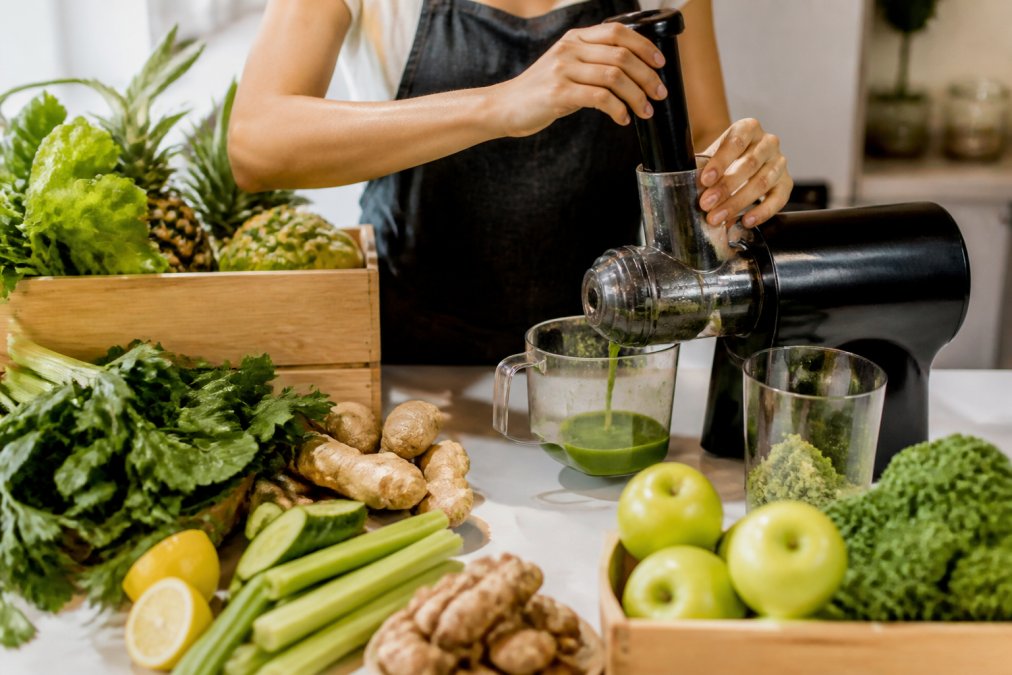
Fresh-pressed juice commands premium pricing because the yield, the actual liquid extracted from raw ingredients, is far lower than most people realize. A typical cold-press operation extracts only 40-50% liquid from total produce weight, meaning half or more becomes waste (peer-reviewed research). A juice bar making 50 bottles daily must purchase enough produce for 100-125 bottles to account for waste, oxidation, and spoilage. This produce cost is the single largest expense in fresh-pressed juice production, unlike processed juice made from concentrate, which can recover and repurpose byproducts.
Seasonality compounds this cost structure. During peak growing seasons, wholesale prices drop but juice demand spikes. During off-season months, prices rise while customer traffic declines. Juice bars committing to year-round fresh-pressed offerings absorb this volatility directly, with no way to smooth costs like processed manufacturers do through bulk concentrate purchasing.
At Roxberry Juice Co., we source fresh fruits and vegetables daily to ensure maximum nutrient density and enzymatic activity. This commitment to freshness means we cannot buy in massive quantities and store for months like processed alternatives do. Our produce arrives fresh, gets pressed fresh, and reaches customers fresh, which is why fresh pressed juice costs more than juice that's been sitting in storage or processed months earlier.
How Much Produce Is Required for 16oz Juice
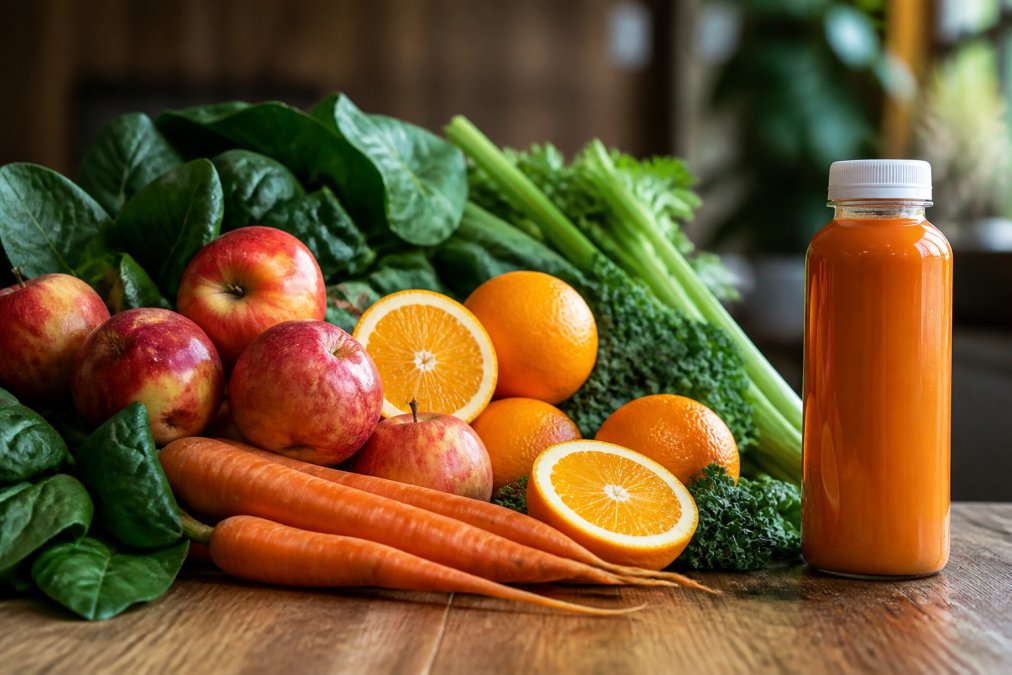
A single 16-ounce glass of fresh-pressed juice requires striking amounts of raw produce. A green juice made primarily from leafy greens might need 4-6 cups of loosely packed spinach or kale, roughly 1-2 pounds for one bottle. A citrus juice might require 8-12 medium oranges or grapefruits. A typical apple yields only 1-2 ounces of juice when pressed, so filling a 16-ounce bottle with primarily apple juice requires 8-16 apples (usda.gov).
This disparity stems from water content and fiber structure. Leafy greens are mostly water and fiber with minimal juice yield per ounce of weight. Carrots are denser but still require significant volume. Apples and citrus contain more extractable juice, but you still lose the pulp and skin.
This produce requirement directly drives cost. A juice bar purchasing wholesale produce might spend $3-6 in raw ingredients alone per 16-ounce bottle. When you factor in spoilage, pressing waste, and oxidation losses, actual per-bottle costs climb higher. Cold-chain logistics compound this: fresh produce requires precise temperature control and fast delivery schedules, adding operational overhead.
Cold-Pressed Juice vs. Smoothies: Why Extraction Method Matters
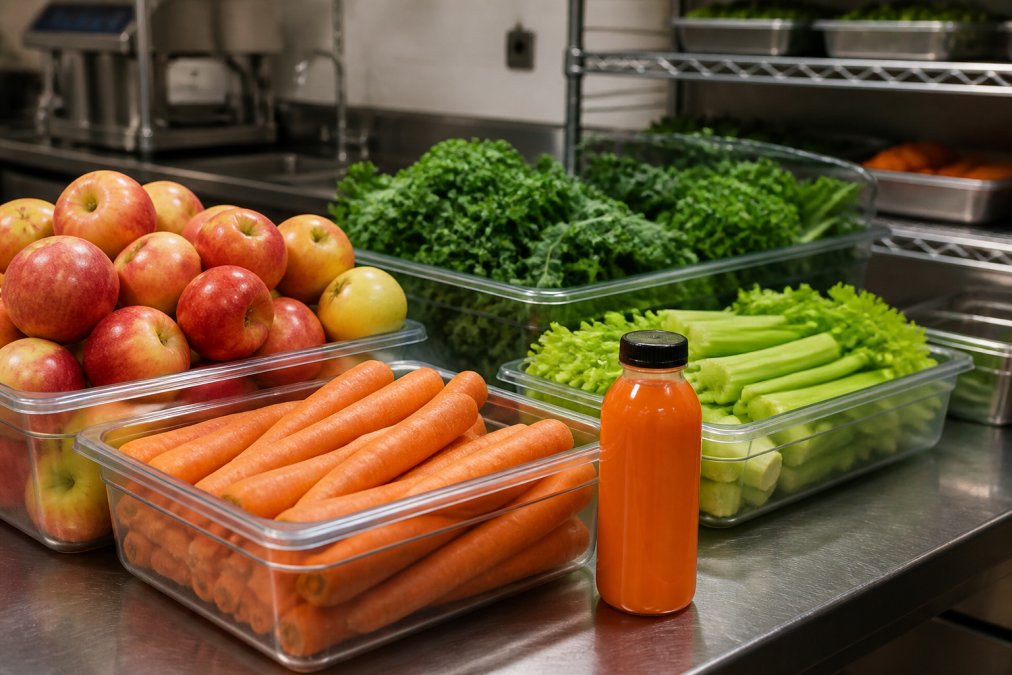
Cold-pressed juice and smoothies are fundamentally different products. Cold-pressing uses a hydraulic press to slowly squeeze juice from produce without generating heat or introducing air, preserving heat-sensitive nutrients, enzymes, and bioavailability. The press extracts liquid while leaving behind pulp and fiber.
Smoothies blend whole produce into a drinkable consistency, retaining all fiber. From a production standpoint, smoothies require less produce per serving because nothing is discarded. Cold-pressed juice requires significantly more produce because roughly 50% of input becomes waste. This is the core reason why fresh pressed juice costs more than smoothies.
The extraction method also affects shelf-life. Cold-pressed juice oxidizes quickly once exposed to air, limiting shelf-life to 3-5 days under refrigeration (peer-reviewed research). Smoothies, consumed immediately, don't have this constraint. Some juice bars use high-pressure processing (HPP) to extend shelf-life, but this adds significant operational cost.
Nutritionally, cold-pressed juice offers higher nutrient density per ounce because the liquid is concentrated. This doesn't make one better than the other, it makes them different products serving different purposes, explaining the pricing difference.
Labor-Intensive Production and Operational Overhead
Fresh-pressed juice production is labor-intensive in ways processed alternatives are not. Every step, produce receiving, washing, cutting, pressing, bottling, and labeling, requires hands-on work. A juice bar pressing 50-100 bottles daily needs at least one dedicated staff member during peak hours.
Produce preparation concentrates most labor time. Fruits and vegetables must be washed, inspected, cut to appropriate sizes, and fed into the press in the right sequence. The pressing process requires monitoring and maintenance between batches. Bottling and labeling happen on-site immediately after pressing. For a juice bar making 100+ bottles daily, this is significant labor.
Staffing costs run higher than for smoothie bars. A smoothie requires minutes of labor per cup; fresh-pressed juice requires 15-20 minutes of preparation before pressing, plus pressing time and bottling. Quality control adds another layer: each batch must be tested for consistency and safety, produce inspected for contamination, and equipment sanitized regularly.
Cold-Chain Logistics and Shelf-Life Preservation
Fresh-pressed juice is perishable in ways processed juice is not. Once pressed, juice begins to oxidize within hours. Maintaining cold-chain integrity from production to consumer is essential but expensive.
Production happens in a refrigerated environment, with bottles moving immediately into cold storage at 38-42 degrees Fahrenheit. Commercial refrigeration costs thousands to purchase and hundreds monthly to operate. Shelf-life is the critical constraint: fresh-pressed juice lasts 3-5 days under proper refrigeration, so juice bars cannot stockpile inventory. Unsold batches must be discarded, total loss.
Processed juice lasts weeks or months through pasteurization, HPP, or preservatives. Manufacturers can produce in bulk, store extended periods, and distribute flexibly. Fresh-pressed operations have no such luxury. More frequent produce deliveries mean higher per-unit transportation costs.
Some juice bars invest in HPP, which extends shelf-life to 30+ days, allowing wider distribution. However, HPP equipment is expensive to purchase and operate. The cold-chain requirement also limits distribution channels: fresh-pressed juice requires refrigerated retail space, which is limited and costly. Processed juice occupies shelf space anywhere in a store.
Benefits of Daily Green Juice and Nutrient Density
The primary reason people choose fresh-pressed juice over processed alternatives is nutrient density and enzymatic activity. Cold-pressing preserves heat-sensitive vitamins, minerals, and enzymes that conventional pasteurization degrades.
Bioavailability, how much of a nutrient your body can absorb and use, is higher in fresh-pressed juice because the liquid form is partially broken down and enzymes remain active to aid digestion. A glass of fresh-pressed green juice delivers concentrated micronutrients in a form your body absorbs efficiently.
Daily green juice consumption supports health outcomes: restoring digestive function, increasing energy levels, and improving mental clarity. A single 16-ounce bottle contains micronutrients equivalent to several pounds of raw produce. However, fresh-pressed juice is not a substitute for whole produce, fiber is removed during pressing. The ideal approach combines fresh-pressed juice with whole produce consumption, using juice as a nutrient supplement.
Why Fresh Pressed Juice Costs More Than Processed Alternatives
The price difference between fresh-pressed and processed juice comes down to production method, shelf-life, and operational constraints. Processed juice manufacturers can buy fruit concentrate in bulk at commodity prices, store it for months, and process it on demand. A single batch yields thousands of bottles with minimal waste and lower labor requirements.
Fresh-pressed juice requires fresh produce daily, significant manual labor, continuous refrigeration, and accepts high waste rates. Per-unit costs might reach $2-3, requiring retail pricing of $6-10 to achieve comparable margins. Processed juice achieves per-unit costs of $0.50-1.00, allowing retail pricing of $3-5.
The shelf-life difference creates a hidden cost advantage for processed juice. A manufacturer can produce 1,000 bottles and sell throughout the month. A fresh-pressed bar produces 50 daily and must sell within 5 days or discard them. This inventory constraint prevents fresh-pressed operations from achieving economies of scale.
The nutrient density premium justifies the price difference for consumers willing to pay for it. Fresh-pressed juice offers bioavailable micronutrients, active enzymes, and health benefits that processed juice cannot match. This is why fresh pressed juice costs more, not marketing or artificial positioning, but because the production method requires more input, generates more waste, and delivers a fundamentally different product.
At Roxberry Juice Co., we've chosen to prioritize nutrient density and enzymatic activity over cost efficiency. Our fresh-pressed juices are made daily from real fruits and vegetables, pressed to order when possible, and delivered fresh to ensure you receive maximum health benefits. This commitment to freshness is why our pricing reflects the true cost of premium juice production.
The cost of fresh-pressed juice reflects real production constraints and quality commitments that processed alternatives simply don't face. When you choose fresh-pressed juice, you're paying for nutrient density, enzymatic activity, and the operational overhead of maintaining cold-chain integrity. At Roxberry Juice Co., we believe that investment in your health is worth the premium. Download our app to explore our full menu of fresh-pressed juices, smoothies blended to order, and nutrient-dense açaí bowls crafted with real ingredients and our signature Roxberry Granola.
Frequently Asked Questions
Why are fresh pressed juices so expensive compared to store-bought options?
Fresh pressed juice costs more because it uses whole produce with significant waste during extraction, typically 60-70% of raw weight becomes pulp. Cold-pressed extraction requires specialized hydraulic equipment and labor. Store-bought juices use concentrate, pasteurization, and longer shelf-life preservation that reduce per-unit costs. Refrigeration, cold-chain logistics, and shorter shelf-life also drive up operational expenses that don't exist for shelf-stable alternatives.
How much produce is needed to make a single 16oz bottle of fresh juice?
A typical 16oz cold-pressed juice requires 2-4 pounds of raw produce, depending on water content and juice yield. Leafy greens yield less juice per pound than citrus or apples. This high produce-to-juice ratio directly impacts cost, waste management and bulk purchasing of fresh ingredients are major operational expenses. Understanding this yield ratio explains why fresh-pressed juice pricing is significantly higher than processed alternatives.
What is the difference between cold-pressed and centrifugal juicing?
Cold-pressed (hydraulic) extraction uses slow pressure to maximize juice yield and preserve micro-nutrients and enzymatic activity, producing juice with higher nutrient density. Centrifugal juicing spins produce at high speed, generating heat that degrades some nutrients and reduces shelf-life. Cold-pressed requires expensive equipment and more processing time, increasing labor costs. Centrifugal is faster and cheaper, which is why it's common in commercial chains. Cold-pressed juice justifies higher pricing through superior nutrient retention.
What are the benefits of daily green juice?
Daily green juice provides concentrated micro-nutrients, vitamins, and minerals in easily absorbable form. Cold-pressed green juice preserves enzymatic activity and bioavailability, supporting digestion and nutrient absorption better than pasteurized alternatives. Regular consumption may increase energy, improve mental clarity, and support overall wellness. The nutrient density of fresh-pressed green juice, when made with proper cold-chain preservation, delivers measurable health benefits that justify the cost for health-conscious individuals seeking transparent, whole-food nutrition.