 how-to
Foods to Avoid for Acid Reflux Relief
Table of Contents
- How Trigger Foods Cause Acid Reflux Symptoms
- The 5 Worst Foods to Avoid for Acid Reflux Relief
- Caffeinated and Carbonated Beverages That Worsen Reflux
- Building a GERD Diet Plan That Works for You
- Acid Reflux Friendly Snacks and Juice Options
- Lifestyle Changes for GERD Relief Beyond Diet
- Common Mistakes When Eliminating Trigger Foods
- Frequently Asked Questions
Last Updated: October 1, 2026
How Trigger Foods Cause Acid Reflux Symptoms
Acid reflux happens when stomach acid flows backward into your esophagus. A ring of muscle called the lower esophageal sphincter normally seals that opening; when it weakens or relaxes at the wrong time, acid escapes upward and causes that burning feeling in your chest.
The 5 Worst Foods to Avoid for Acid Reflux Relief
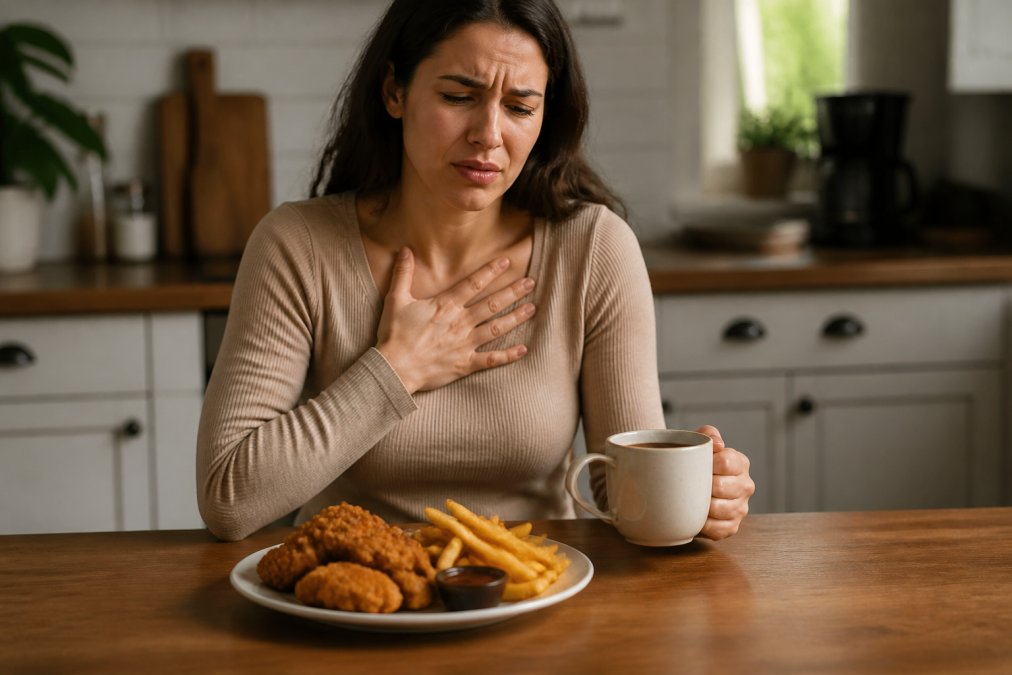
These five categories cause the most trouble for the most people. Cutting a few big offenders often calms symptoms faster than overhauling your whole diet.
| Trigger Food | Why It Causes Reflux | Smarter Swap |
|---|---|---|
| Fried and fatty foods | Slow stomach emptying, more acid backup | Grilled or baked protein |
| Spicy dishes | Irritate an already inflamed esophagus | Mild herbs like basil or turmeric |
| Citrus fruits and juices | High acidic pH adds to stomach acid | Banana, melon, or pear |
| Tomato-based sauces | Acidic and often paired with fat | Roasted carrot or squash sauce |
| Chocolate and peppermint | Relax the lower esophageal sphincter | Ginger tea or a small handful of almonds |
Fatty and Fried Foods
Fried foods sit in your stomach longer than lean foods. That delay raises pressure and makes regurgitation more likely. Processed meats like bacon and sausage cause the same problem.
Spicy Dishes and Citrus Fruits
Spicy dishes do not create acid, but they irritate an esophagus that is already raw, even mild salsa can sting.
Tomato-Based Sauces, Chocolate, and Peppermint
Tomato-based sauces combine two problems: acid and often added fat. Pizza, pasta sauce, and chili are classic reflux triggers for that reason.
Caffeinated and Carbonated Beverages That Worsen Reflux
Coffee, soda, and energy drinks are three of the most common culprits behind daily heartburn, but they do not all cause trouble the same way. Knowing the difference helps you decide what to cut and what to keep.
Three Separate Mechanisms
Caffeine relaxes the lower esophageal sphincter, the muscle that seals the top of your stomach, so acid escapes upward. It can also stimulate acid production directly, working against you on two fronts at once.
Quantity and Timing Matter More Than the Drink Itself
Watch for caffeine sensitivity too. Some people feel fine after one cup and miserable after two. Your tolerance is personal, so track it rather than assuming a fixed limit.
Practical Steps Before You Quit
The fix is not always quitting. Try these steps first:
- Switch to half-caf or decaf coffee
- Drink soda flat or skip it entirely
- Avoid coffee on an empty stomach
- Finish caffeine at least six hours before bed
- Sip water between caffeinated drinks
- Try cold-brew coffee, which is less acidic than hot-brewed
- Swap carbonated drinks for still water with a slice of cucumber or melon
What to Drink Instead
If you are cutting back on coffee and soda, replace them rather than just removing them. Still water is the baseline. Herbal teas other than peppermint, chamomile and ginger are common choices, work for many people. Low-acid juices built on carrot, cucumber, melon, or pear add flavor without citrus or carbonation. Avoid anything labeled "sparkling" or "seltzer," since those are carbonated even when unsweetened.
Building a GERD Diet Plan That Works for You
A GERD diet plan is a personal eating strategy that removes your specific trigger foods while keeping meals balanced and enjoyable. Triggers vary from person to person, and most lists of foods to avoid for acid reflux relief skip the part that changes outcomes: what to put on the plate instead, and how to cook it.
Start With a Structured Elimination, Not a Blanket Ban
Begin with a two-week elimination window: cut the five worst categories above, then reintroduce them one at a time, one every three days, noting what happens within a few hours. People often blame citrus when the real culprit was the fried side dish served alongside it.
What to Eat Instead: A Sample Three-Day Framework
This is the gap most trigger-food articles skip. Below is a repeatable structure, not a rigid menu, swap in foods you tolerate.
Day 1
- Breakfast: Oatmeal cooked with water or low-fat milk, sliced banana, a spoon of almond butter
- Lunch: Grilled chicken breast, steamed green beans, brown rice
- Snack: Plain crackers, a hard-boiled egg
- Dinner: Baked salmon, roasted carrots, small baked potato (no butter)
Day 2
- Breakfast: Low-fat yogurt with melon and a sprinkle of granola
- Lunch: Turkey and cucumber wrap on a whole-grain tortilla, no tomato
- Snack: Pear slices, a small handful of almonds
- Dinner: Poached cod, steamed broccoli, quinoa
Day 3
- Breakfast: Scrambled egg whites, whole-grain toast, a little avocado
- Lunch: Lentil soup made with carrot and celery base instead of tomato
- Snack: Steamed carrots, low-fat cheese cube
- Dinner: Baked chicken thigh (skin removed), roasted zucchini, couscous
Cooking Methods Change the Equation
How you cook matters as much as what you cook. The same chicken breast can calm your stomach or provoke it.
- Steaming keeps food moist without added fat and is the gentlest method for vegetables and fish.
- Poaching uses liquid rather than oil and works well for eggs, fish, and chicken.
- Baking and roasting are fine when you use a light brush of oil rather than a pour. Line the pan so food does not sit in rendered fat.
- Grilling adds flavor without fat, but charring can irritate a sensitive esophagus, so aim for a light sear rather than a black crust.
- Frying, sautéing in butter, and cream-based sauces work against you. So does air-frying if you are breading food, since the coating still holds oil.
Portion Control and Timing
Portion control and timing matter as much as the food:
- Eat smaller meals four to five times a day rather than three large ones
- Stop eating three hours before bed (Eating, Diet, & Nutrition for GER & GERD)
- Sit upright for 30 minutes after meals
- Chew slowly and finish before you feel full
Hidden Ingredients to Watch
Processed foods carry additives that act as silent triggers. Garlic powder and onion powder appear in countless seasonings and snack mixes. Citric acid shows up in canned goods, bottled drinks, and even some "low-acid" products. Tomato paste hides in barbecue sauce, ketchup, and many salad dressings. If your symptoms are stubborn despite a clean-looking diet, read the label on everything packaged.
Acid Reflux Friendly Snacks and Juice Options
Acid reflux friendly snacks are low-acid, low-fat foods that calm the stomach instead of irritating it. They also keep you from getting so hungry that you overeat at your next meal.
Good options include:
- Oatmeal with banana
- Plain crackers with a little almond butter
- Steamed carrots or green beans
- A hard-boiled egg
- Low-fat yogurt
- Melon, pear, or papaya
Lifestyle Changes for GERD Relief Beyond Diet
Lifestyle changes for GERD relief often matter more than any single food swap. Diet is one lever. Sleep position, weight, and stress are the others.
Try these adjustments:
- Raise the head of your bed by 15 to 20 centimeters
- Sleep on your left side, which keeps acid lower in the stomach
- Avoid tight belts and waistbands after meals
- Eat your last meal at least three hours before lying down
- Manage stress with walking, breathing exercises, or yoga
Common Mistakes When Eliminating Trigger Foods
The biggest mistake is cutting too much at once. People remove twenty foods, feel better, and then have no idea which one mattered. You end up with a miserable diet and no clear answer.
Other common errors:
- Replacing trigger foods with processed "low-acid" products full of additives
- Skipping meals, which increases stomach acid buildup
- Drinking large amounts of water with meals, which adds pressure
- Ignoring hidden ingredients like garlic powder, onion powder, and citric acid in packaged foods
- Assuming all fruit is off-limits when only citrus causes trouble
Frequently Asked Questions
What are the 5 worst foods to eat if you have acid reflux?
The five worst foods for acid reflux are fatty and fried foods, spicy dishes, citrus fruits and juices, tomato-based products, and chocolate or peppermint. These trigger foods relax the lower esophageal sphincter, increase gastric acid production, or directly irritate the esophagus. Fried foods slow stomach emptying, which raises pressure and encourages regurgitation. Citrus and tomatoes are highly acidic, while chocolate and peppermint both loosen the valve that keeps stomach acid where it belongs.
Can fresh-pressed juice help with acid reflux symptoms?
Fresh-pressed juice can help if you choose low-acid options like carrot, cucumber, or melon blends. These provide hydration and nutrients without irritating the esophagus. Avoid citrus-heavy juices, which are common triggers. Roxberry Juice Co. offers fresh-pressed options made from real fruits and vegetables, and you can ask for blends that skip high-acid ingredients. Juice alone will not cure acid reflux, but it can be part of an acid reflux friendly snack routine when chosen carefully.
How do dietary triggers affect GERD flare-ups?
Dietary triggers affect GERD flare-ups by relaxing the lower esophageal sphincter, increasing stomach acid, or slowing digestion. When the sphincter relaxes, gastric acid moves upward into the esophagus, causing heartburn and irritation. Fatty foods delay stomach emptying, which builds pressure and pushes acid up. Spicy dishes and citrus directly irritate an already inflamed esophagus. Tracking which foods precede your symptoms is the fastest way to identify your personal triggers and adjust your GERD diet plan.
What lifestyle changes for GERD relief work alongside dietary changes?
Lifestyle changes for GERD relief include eating smaller meals, waiting three hours after eating before lying down, elevating the head of your bed, and quitting smoking. Losing excess weight reduces pressure on the stomach. Tight clothing around the waist can force acid upward, so looser fits help. Chewing gum after meals increases saliva, which neutralizes acid. These changes work best combined with avoiding trigger foods and staying consistent with your dietary habits.