 How-to
12 Foods for Your Leaky Gut Diet Grocery List
Last Updated: November 19, 2026
Quick Summary
A leaky gut diet grocery list centers on whole foods: vegetables, fruits, lean protein, healthy fats, fermented foods, and fiber-rich pantry staples, while limiting ultra-processed foods, refined grains, added sugars, and artificial sweeteners. The article's one-week list for one adult includes about 5-7 cups of vegetables, 3-4 cups of fruit, 5-7 protein servings, plus olive oil, nuts, yogurt, kefir, sauerkraut, kimchi, and miso.
- Steamed or roasted vegetables are easier on a sensitive stomach than large raw salads.
- Check labels for added sugars, the word whole before grains, and lower sodium per serving.
- Build each day from five blocks: a protein, vegetable, fruit, healthy fat, and fermented food.
- Introduce one new fermented food at a time so you can tell what agrees with you.
- Frozen vegetables and berries, canned salmon, and canned legumes are cheaper and keep for months.
Table of Contents
- What a Leaky Gut Diet Grocery List Should Include
- Best Foods for Leaky Gut: What to Put in Your Cart
- Worst Foods for Leaky Gut: What to Limit
- A Free Leaky Gut Meal Plan You Can Shop From
- Vegan Leaky Gut Diet: Building the List Without Animal Products
- Budget Shopping, Substitutions, and Personalization
- Download the Roxberry App and Shop Smarter
- Frequently Asked Questions
What a Leaky Gut Diet Grocery List Should Include
A leaky gut diet grocery list is a shopping plan built around whole foods that support the gut lining, paired with a short list of items to limit.
The short answer: vegetables, fruits, lean protein, healthy fats, fermented foods, and fiber-rich staples. For the broader gut health diet plan for leaky gut, including foods and tips, see our full guide. Skip ultra-processed snacks and added sugars.
Leaky gut is a non-medical term for increased intestinal permeability, where the gut lining becomes more permissive to substances that normally stay inside the digestive tract. A 2023 review in Nutrients notes that dietary factors can trigger increased intestinal permeability, which is why food choices get so much attention.
Here is what most guides get wrong: they hand you a list with no quantities, no budget plan, and no mention of what the evidence actually supports. Below, we fix that.
The Evidence Behind the Leaky Gut Concept
The research base is real but early. A 2022 review in Frontiers in Nutrition examines how foods and nutrition shape the gut microbiome and intestinal permeability, and it stops short of prescribing a specific diet.
That distinction matters. A leaky gut diet overview from Alma walks through a meal plan while openly noting what research does and does not show.
So treat this list as a sensible whole-foods framework, not a cure. If you have persistent digestive symptoms, talk to a doctor before overhauling your diet.
Best Foods for Leaky Gut: What to Put in Your Cart
The best foods for leaky gut are whole, nutrient-dense options: vegetables, fruits, lean protein, healthy fats, and fermented foods. The Dietary Guidelines for Americans, 2025-2030 point households toward exactly this mix.
The woman is American.
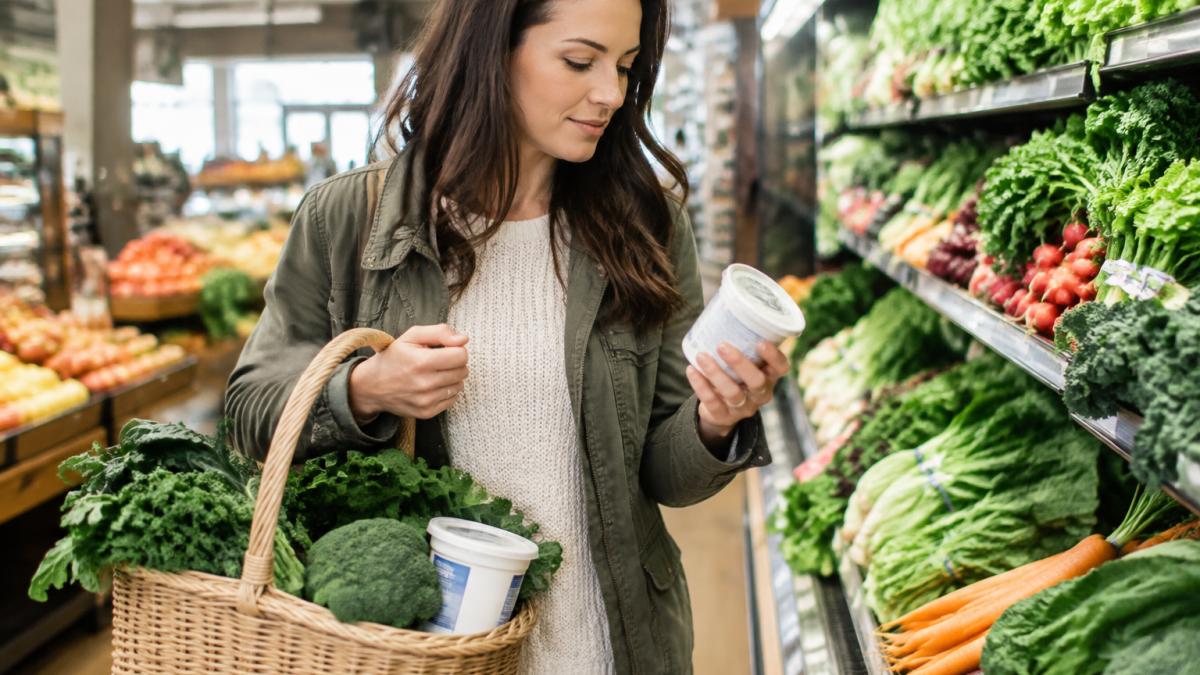
Most guides stop at naming categories. What follows is a one-week list sized for one adult, with quantities you can actually shop from, pantry basics, and swaps for common triggers. Scale portions up for each additional household member.
Produce, Proteins, Fats, and Fermented Foods by Category
Vegetables (about 5-7 cups total for the week): 1 bunch kale or spinach, 1 head broccoli, 1 head cauliflower, 1 bag carrots, 2 zucchini, 1 head romaine. Steamed or roasted vegetables are easier on a sensitive stomach than large raw salads.
Fruits (about 3-4 cups total): 1 pint fresh berries or 1 bag frozen berries, 2 bananas, 2 apples (cooked apples are gentler than raw), 1 avocado.
Proteins (5-7 servings): 1 pound chicken breast or thighs, 1 pound fish (salmon, cod, or tilapia), 1 dozen eggs, 1 can salmon or sardines as a backup.
Healthy fats: 1 bottle olive oil, 1 jar coconut oil, 1 bag almonds or walnuts, 1 jar tahini or almond butter.
Fermented foods: 1 tub plain yogurt or coconut yogurt, 1 bottle kefir, 1 jar sauerkraut, 1 jar kimchi, 1 tub miso paste. For a deeper look at why these foods help, read our guide to the benefits of fermented foods for digestion.
Pantry basics: rolled oats, quinoa or brown rice, canned lentils or chickpeas, ground flaxseed, bone broth or stock, canned coconut milk, turmeric, ginger, and a low-sodium salt. These fill gaps without a second trip.
How to Read Labels in the Aisle
Three checks cover most of the list. First, scan the ingredient line for added sugars, they appear under names like cane syrup, dextrose, and fruit juice concentrate. Second, look for the word "whole" in front of a grain (whole wheat, whole oats) rather than "enriched" or "refined." Third, compare sodium per serving on broths and canned goods and pick the lower option; a common pattern is a 300-500 mg swing per cup between brands.
Watch out: "Made with whole grain" on the front of a package does not mean the first ingredient is a whole grain, flip it over and check the order of the ingredient list.
Substitutions for Common Triggers
If dairy causes symptoms, swap yogurt for coconut or almond yogurt and kefir for a water-based fermented drink. If you react to high-FODMAP foods, replace sauerkraut and kimchi with a small serving of miso, and use zucchini in place of cauliflower. If nuts are a problem, use olive oil and avocado as your fat sources. Introduce one new fermented food at a time so you can tell what agrees with you.
Worst Foods for Leaky Gut: What to Limit
The worst foods for leaky gut are the ones most likely to irritate: ultra-processed foods, refined grains, added sugars, and artificial sweeteners. Nourish's gut health grocery list flags all four.
| Limit | Swap For |
|---|---|
| Sugary cereal | Oats with berries |
| Soda and sweetened juice | Water, sparkling water |
| Refined white bread | Whole grains, legumes |
| Processed lunch meat | Fresh poultry or fish |
| Artificial sweeteners | Small amount of honey |
Food sensitivities are personal. Keep a simple log for two weeks and note what triggers symptoms.
If you are cutting foods and need gentler options, our guide to easy to digest foods for sensitive stomachs covers the next step.
A Free Leaky Gut Meal Plan You Can Shop From
A free leaky gut meal plan works best as a seven-day loop you can shop for in one trip. Build each day from the same five blocks: a protein, a vegetable, a fruit, a healthy fat, and one fermented food. The list in the previous section covers this loop for one adult for a week. Keeping the same five blocks in rotation makes shopping simpler, and vegan gluten-free pantry staples can help round out the week when fresh ingredients run low.
The Seven-Day Loop
- Day 1, Breakfast: plain yogurt with berries and ground flax. Lunch: grilled chicken over steamed greens with olive oil. Snack: a handful of almonds. Dinner: baked fish with zucchini and carrots.
- Day 2, Breakfast: oats cooked with banana and a spoon of almond butter. Lunch: leftover baked fish over romaine with olive oil. Snack: kefir. Dinner: chicken and cauliflower rice with turmeric.
- Day 3, Breakfast: eggs with sautéed spinach. Lunch: lentil soup with carrots and a side of sauerkraut. Snack: apple slices with tahini. Dinner: salmon with roasted broccoli.
- Day 4, Breakfast: coconut yogurt with berries and flax. Lunch: chicken salad over greens. Snack: a small bowl of miso broth. Dinner: cod with zucchini and quinoa.
- Day 5, Breakfast: oats with cooked apple and cinnamon. Lunch: leftover cod and quinoa. Snack: almonds. Dinner: chicken thighs with roasted carrots and cauliflower.
- Day 6, Breakfast: eggs with avocado. Lunch: lentil and vegetable soup with kimchi on the side. Snack: kefir. Dinner: canned salmon patties with steamed greens.
- Day 7, Breakfast: yogurt with banana and flax. Lunch: leftovers from the week over greens. Snack: apple with almond butter. Dinner: bone broth with chicken, carrots, and zucchini.
Bone broth and collagen-rich foods can also fit into this plan. Simmer bones or a whole chicken with water, a splash of vinegar, and vegetable scraps for several hours, then portion and freeze.
A Sunday Prep Sequence
An hour of prep makes the week work. Start the bone broth first because it needs the longest simmer. While it cooks, roast a tray of broccoli, cauliflower, and carrots, and bake or poach the chicken. Cook a pot of quinoa or rice, and hard-boil a few eggs. Wash and dry greens, and portion nuts and berries into containers. Store cooked proteins and vegetables in separate containers so you can recombine them into bowls through the week.
Watch out: cooked rice and legumes should be cooled and refrigerated promptly and eaten within a few days, batch-cooking more than you can finish in that window wastes food and raises the risk of spoilage.
Frozen, Canned, and Budget Swaps
Frozen vegetables and berries can be used in smoothies, soups, and oats. Canned salmon, sardines, lentils, and chickpeas are cheaper than fresh and keep for months. Buy produce in season and cook legumes from dry when you have time. If fresh fish is high, canned salmon or sardines stand in for the same meal.
Want to build breakfast around fiber? Learn how to add prebiotic ingredients to morning smoothies.
Vegan Leaky Gut Diet: Building the List Without Animal Products
A vegan leaky gut diet replaces animal protein with legumes, tofu, tempeh, nuts, and seeds. The structure stays the same: whole foods, fiber, and fermented options.
Watch your B12 and iron. Plant sources of iron absorb better with vitamin C, so pair lentils with bell pepper or citrus.
Fermented plant foods such as sauerkraut, kimchi, and miso can be part of this approach. Coconut yogurt can stand in for dairy yogurt.
Budget Shopping, Substitutions, and Personalization
Budget shopping comes down to three habits: buy produce in season, choose frozen over fresh when prices spike, and cook legumes from dry.
Seasonal swaps:
- Berries expensive? Use frozen berries in smoothies.
- Kale pricey? Spinach works the same way.
- Fresh fish high? Canned salmon or sardines.
Personalization matters more than any list. If dairy triggers symptoms, use coconut or almond alternatives. If you have IBS, introduce fermented foods slowly.
Download the Roxberry App and Shop Smarter
Roxberry Juice Co. offers smoothies, fresh-pressed juices, and açaí bowls to help you keep fresh options in your week. Our smoothies are blended to order from real fruits and vegetables. Our fresh-pressed juices are 100% natural, and our açaí bowls come topped with our signature Roxberry Granola.
Download our app to order ahead, skip the line, and keep your routine on track. You can also browse the menu for gut-friendly smoothies and juices.
Your grocery list is only as good as the week you actually shop it. Start with one category, build from there, and let convenience carry the rest. Get started with Roxberry Juice Co. and keep fresh, real-food options within reach on your busiest days.
Frequently Asked Questions
What does a leaky gut diet grocery list include?
A practical list is built around whole foods: dark leafy greens, broccoli, Brussels sprouts, cauliflower, kale, spinach, zucchini, and carrots, plus berries. Add lean protein like fish and poultry, healthy fats such as coconut and olive oil, prebiotic fiber from legumes and whole grains, and fermented foods like yogurt, kefir, and sauerkraut. Bone broth and collagen-rich foods can also be included.
What are the worst foods for leaky gut?
Guidance from sources like Nourish recommends limiting ultra-processed foods, refined grains, added sugars, and artificial sweeteners. These offer little fiber and few nutrients and crowd out the whole foods that support the gut lining. That does not mean a permanent ban. Start by swapping one or two processed items per shopping trip for a whole-food alternative, such as replacing a sweetened snack with berries and yogurt or a handful of nuts.
Are there vegan foods for a leaky gut diet?
Yes. Build the list around legumes, whole grains, nuts, seeds, coconut, and non-dairy alternatives, plus prebiotic vegetables like broccoli, Brussels sprouts, and cauliflower. Fermented options such as sauerkraut, kimchi, and miso fit a vegan pattern, and so do plant-based protein sources like lentils and tofu. Check that non-dairy alternatives are unsweetened and skip added sugars. A vegan eating plan still needs enough protein and fiber, so plan portions rather than guessing.
Where can I find a free leaky gut meal plan?
Many clinics and food sites publish free plans, and the meal plan in this article doubles as a shopping template. Start with three breakfasts, three lunches, and three dinners built from the same list so nothing spoils. Treat any free plan as a starting framework and adjust it to your own triggers and tolerances.