 how-to
Foods to Avoid for Better Energy Levels
Table of Contents
- Why Food Choices Impact Your Energy Levels
- Refined Grains and Processed Carbohydrates: The Energy Drain
- Added Sugars and Sweetened Foods That Cause Energy Crashes
- Worst Foods for Fatigue: Fried Foods and High-Fat Options
- Caffeine, Alcohol, and Other Energy Disruptors
- Foods That Give You Energy: Practical Swaps for Sustained Vitality
- Foods to Eat to Stop Tiredness: Timing, Portions, and Personal Patterns
- How to Identify Your Personal Food-Energy Patterns
- Frequently Asked Questions
Last Updated: October 10, 2026
Why Food Choices Impact Your Energy Levels
The foods you eat directly shape how you feel throughout the day. Your body breaks down every meal into glucose, which fuels your brain and muscles. When you choose the right foods, you maintain steady energy. When you choose the wrong ones, you crash hard.
A heavy, processed meal at noon triggers a blood sugar spike followed by a sharp drop, that's when the 3 p.m. energy crash hits.
The good news: you can avoid this entirely by understanding which foods drain your energy levels and which ones sustain them. This guide breaks down the specific foods to avoid for better energy levels, plus the practical swaps that actually work.
Refined Grains and Processed Carbohydrates: The Energy Drain
Refined carbohydrates digest too fast. White bread, white pasta, and white rice lack fiber, so your body absorbs them quickly. Blood sugar spikes, your pancreas releases insulin to bring it back down, then it crashes, triggering fatigue, brain fog, and heavy muscles. You reach for more carbs to fix it, and the cycle repeats.
Whole grains work differently. They contain fiber, which slows digestion. Your blood glucose rises gradually. Energy stays steady for hours.
What to avoid:
- White bread and sandwich rolls
- Regular pasta (not whole wheat)
- White rice
- Instant oatmeal with added sugars
- Most breakfast cereals
- Bagels and pastries
Better choices:
- Whole wheat bread
- Whole grain pasta
- Brown rice or quinoa
- Steel-cut oats with nuts and berries
- High-fiber cereals (5+ grams per serving)
- Sweet potatoes
The swap is simple. When you choose complex carbohydrates, your energy stays level. No crash. No afternoon slump.
Added Sugars and Sweetened Foods That Cause Energy Crashes
Added sugar hits your bloodstream immediately, spiking blood sugar hard, then plummeting just as fast. Most people feel this crash around 2 to 4 p.m. and blame their job or lack of sleep, but a sweetened snack or sugary drink at lunch is often the real reason.
Hidden sources of added sugar include flavored yogurts (15-20 grams per serving), granola bars marketed as "healthy," fruit juice (which spikes blood sugar without fiber), flavored coffee drinks, and store-bought smoothies.
A single sweetened beverage can contain as much added sugar as an entire day's recommended amount. Your body processes it all at once, triggering the crash.
The better approach: Choose whole fruits instead. An apple or banana contains natural sugars plus fiber, which slows absorption. Your energy stays stable.
Worst Foods for Fatigue: Fried Foods and High-Fat Options
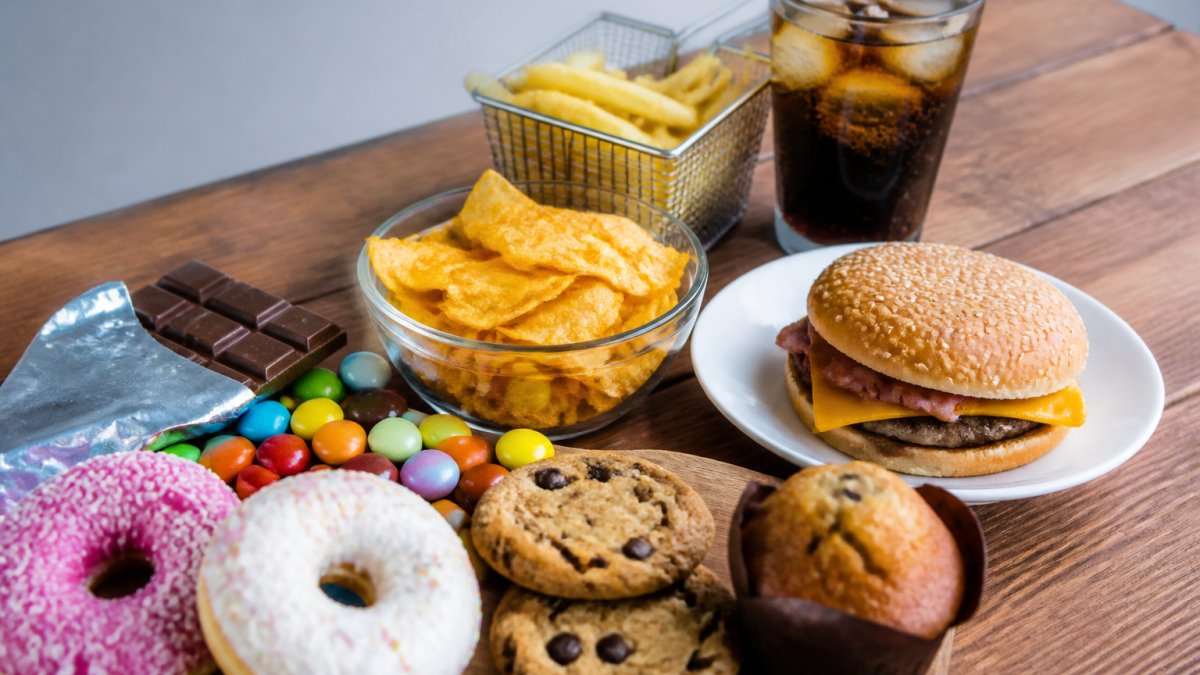
Fried foods and high-fat items slow digestion, diverting blood and energy to your stomach. Deep-fried items also contain refined carbohydrates, hitting you twice: blood sugar spike plus digestive burden. A typical fast-food burger with fries combines both, leaving you full but exhausted within an hour.
Foods to limit or avoid:
- Fried chicken and fish
- French fries and chips
- Donuts and fried pastries
- High-fat fast food meals
- Heavily buttered or cream-based sauces
- Fatty cuts of meat eaten in large portions
This doesn't mean you need to avoid all fat. Healthy fats from nuts, seeds, avocados, and fatty fish actually support steady energy. The problem is fried preparation and excessive amounts.
Caffeine, Alcohol, and Other Energy Disruptors
Caffeine timing matters enormously. A morning cup boosts focus for 3-4 hours, but caffeine after 2 p.m. disrupts sleep. Many people drink coffee to fight afternoon fatigue, not realizing that fatigue comes from poor sleep caused by evening caffeine, creating a cycle of worsening sleep and increasing dependence.
Caffeine has a half-life of 5-6 hours: 200 mg at 3 p.m. leaves 100 mg in your system at 9 p.m., delaying sleep by 30-60 minutes and reducing deep sleep quality. Tolerance builds quickly within 1-2 weeks, pushing people to drink more coffee, which worsens sleep disruption and increases dependence.
Caffeine withdrawal is real: headaches, fatigue, difficulty concentrating, and irritability for 2-9 days. Gradual reduction, cutting intake by 25% every few days, minimizes withdrawal and allows sleep to improve naturally.
Practical caffeine guidelines: Morning coffee (6-9 a.m.) energizes without sleep impact. Midday coffee (10 a.m.-12 p.m.) is generally safe. Afternoon coffee (after 2 p.m.) significantly disrupts sleep; avoid if possible. If sensitive to caffeine, limit to a single 8 oz cup in the morning. Others tolerate 2-3 cups before noon. Pay attention to your own threshold.
Alcohol disrupts sleep architecture by suppressing REM sleep and increasing wakefulness in the second half of the night (Checking your browser). You may fall asleep easily but wake up exhausted. Alcohol also dehydrates you, compounding tiredness, dehydration alone is one of the most common causes of afternoon fatigue.
Energy drinks combine caffeine (80-300 mg per can) with added sugar and stimulants like taurine and guarana. The initial rush is intense, but the crash is severe, often exceeding safe daily caffeine limits in a single serving.
Drink water instead. Dehydration is one of the most common causes of afternoon fatigue. If you do use caffeine, consume it before noon, keep daily intake under 400 mg (roughly 2 cups of coffee), and avoid it within 8 hours of bedtime.
Foods That Give You Energy: Practical Swaps for Sustained Vitality
The best foods combine protein, healthy fat, and complex carbohydrates, a combination that digests slowly and keeps blood sugar stable. Protein is especially important: it slows carbohydrate absorption, keeps you full longer, and eliminates the energy crash when paired with complex carbs.
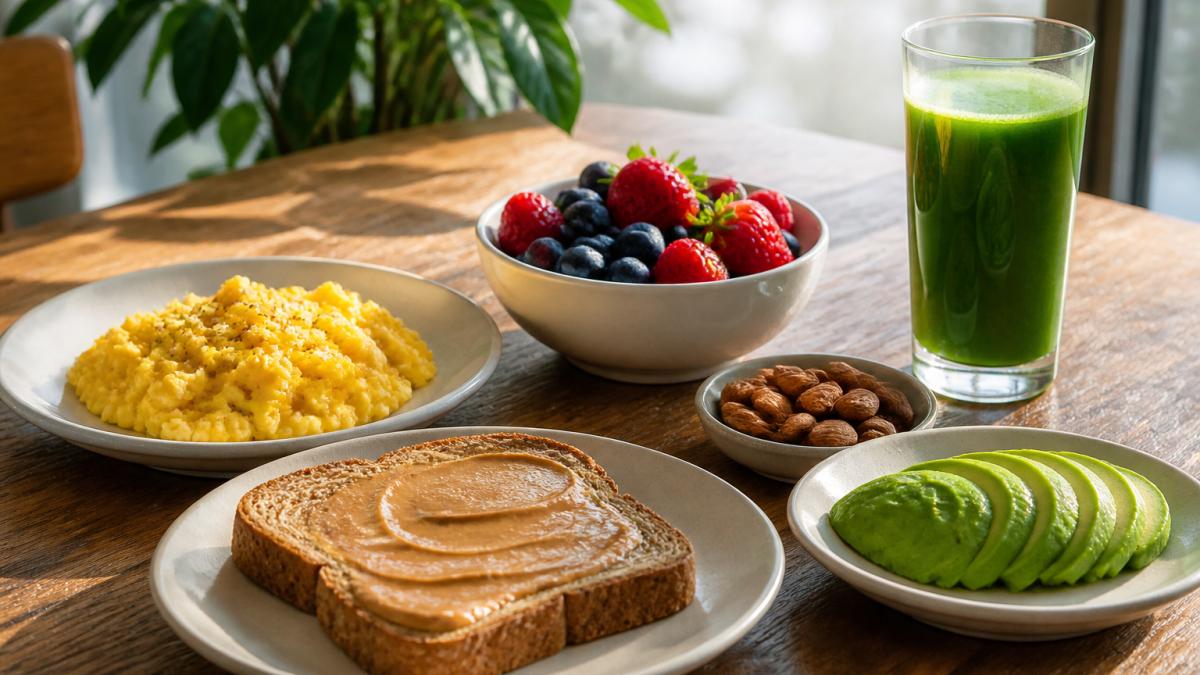
Energy-sustaining breakfast ideas:
- Eggs with whole grain toast and vegetables
- Greek yogurt with berries and nuts (choose plain yogurt, not flavored)
- Oatmeal with protein powder, nuts, and fruit
- Whole grain toast with avocado and a poached egg
Lunch and snack swaps:
- Instead of a sandwich on white bread: wrap with whole grain tortilla, lean protein, and vegetables
- Instead of chips: almonds, walnuts, or seeds
- Instead of a candy bar: apple with almond butter
- Instead of soda: water with lemon or unsweetened herbal tea
Fresh-pressed juices should complement a balanced meal, not replace it. The juice provides immediate vitality, while solid food provides sustained energy. The key is balance: protein, healthy fat, complex carbs, and fiber together keep energy steady for hours.
Foods to Eat to Stop Tiredness: Timing, Portions, and Personal Patterns
Timing matters as much as what you eat. A large meal pulls energy toward your stomach, away from your brain. A smaller meal eaten earlier in the afternoon prevents the energy crash.
Eat breakfast within an hour of waking, lunch around noon (not 1-2 p.m.), dinner at least 3 hours before bed, and small snacks between meals if needed.
Portion size matters too. You don't need a massive meal to feel satisfied. A moderate portion with balanced nutrients provides better energy than an oversized meal.
Sample day-long eating plan for steady energy:
Breakfast (7-8 a.m.): Scrambled eggs (2) with whole grain toast, sliced avocado, and a side of berries. This combines protein, complex carbs, healthy fat, and fiber. Keeps you energized until mid-morning.
Mid-morning snack (10-10:30 a.m.): Greek yogurt (plain, unsweetened) with a handful of almonds and a banana. Protein and natural carbohydrates prevent the 11 a.m. energy dip.
Lunch (12-12:30 p.m.): Grilled chicken breast with brown rice, roasted vegetables, and olive oil drizzle. Moderate portion (not oversized). Eaten earlier in the afternoon prevents the 2-3 p.m. crash.
Afternoon snack (3-3:30 p.m.): Apple with 1 tablespoon almond butter, or a small handful of mixed nuts. This bridges the gap to dinner without triggering blood sugar spikes.
Dinner (6-6:30 p.m.): Baked salmon with sweet potato and steamed broccoli. Protein, complex carbs, and omega-3 fatty acids support stable evening energy and better sleep.
Evening (if needed): Herbal tea (chamomile or peppermint) with no added sugar. Hydration without caffeine.
Why this pattern works:
- Protein at every meal slows carbohydrate absorption and prevents crashes
- Complex carbs provide sustained glucose release
- Healthy fats increase satiety and support nutrient absorption
- Fiber slows digestion and keeps blood sugar stable
- Eating earlier in the day prevents afternoon and evening energy crashes
- Moderate portions prevent the digestive burden that causes sluggishness
Individual responses vary. Some people are sensitive to sugar and crash hard. Others tolerate it better. Some people feel energized by caffeine all day. Others get jittery from a single cup.
Pay attention to your own patterns. Notice which meals leave you energized and which ones drain you. Keep a simple log for one week: what you ate and drank, what time you ate, and how you felt 1-2 hours later (rate your energy 1-10).
Common discoveries:
- Sugary drinks cause a 2-3 hour energy crash
- Fried food makes you sluggish within an hour
- Skipping breakfast leads to afternoon fatigue
- Not eating enough protein leaves you hungry and tired
- Eating too large a meal causes post-lunch drowsiness
- Dehydration feels like fatigue
- Eating dinner too late disrupts sleep and next-day energy Stabilizing these blood glucose fluctuations requires a consistent strategy for avoiding sugary drinks that keeps your vitality steady throughout the day.
Once you identify your patterns, change becomes easy. You're not following someone else's rules. You're responding to your own body's feedback.
If you struggle to maintain energy despite eating well and following this framework, consider other factors: sleep quality, stress, physical activity, hydration, and underlying health conditions. Food is one piece of the puzzle, but not the only piece.
How to Identify Your Personal Food-Energy Patterns
The best way to understand your food-energy connection is to track it. For one week, write down:
- What you ate and drank
- What time you ate
- Your energy level 1 hour, 2 hours, and 3 hours later (rate it 1-10)
After one week, patterns emerge. You'll notice which foods consistently drain you and which ones sustain you.
Some people discover they're sensitive to refined carbs. Others find that large meals always make them tired, regardless of content. Some realize they don't drink enough water.
Common discoveries:
- Sugary drinks cause a 2-3 hour energy crash
- Fried food makes you sluggish within an hour
- Skipping breakfast leads to afternoon fatigue
- Not eating enough protein leaves you hungry and tired
- Dehydration feels like fatigue
Once you identify your patterns, change becomes easy. You're not following someone else's rules. You're responding to your own body's feedback.
If you struggle to maintain energy despite eating well, consider other factors: sleep quality, stress, physical activity, and hydration. Food is one piece of the puzzle, but not the only piece.
Steady energy isn't complicated. It comes from choosing foods to avoid for better energy levels and replacing them with whole foods that sustain you. At Roxberry Juice Co., our fresh-pressed juices and açaí bowls are made from real fruits, vegetables, and our signature granola. Start with one meal swap this week. Notice the difference. Then add another. Small changes compound into the steady, sustained energy that lets you show up fully for your day.
Frequently Asked Questions
What foods give you energy immediately?
Protein-rich options like eggs, Greek yogurt, and nuts deliver quick energy without the crash. Whole fruits with natural fiber, whole grains, and nutrient-dense drinks like fresh-pressed juice provide sustained fuel. Pair protein with complex carbohydrates for the best results. Avoid relying on sugary snacks or energy drinks, which spike blood sugar briefly before causing fatigue.
Can sugary foods cause an energy crash?
Yes. Sugary foods and sweetened drinks cause rapid blood glucose spikes, triggering insulin release that drops blood sugar quickly, leaving you tired and hungry. This cycle repeats throughout the day, creating afternoon slumps and increased fatigue. Refined carbohydrates like white bread and pasta follow the same pattern. Choosing whole grains, fiber, and protein stabilizes blood sugar and prevents these crashes.
How do I know if my tiredness is food-related or something else?
Track your meals and energy levels for 3-5 days. Note when you feel alert versus fatigued, then look for patterns tied to specific foods or meal timing. If tiredness is severe, persistent, or accompanied by other symptoms, consult a healthcare provider to rule out sleep issues, thyroid problems, or nutrient deficiencies. Most food-related fatigue improves within days of dietary changes.
What should I eat instead of processed foods for steadier energy?
Replace white bread with whole grain options, sugary snacks with whole fruits or nuts, and energy drinks with fresh-pressed juice or water. Build meals around lean protein, vegetables, whole grains, and healthy fats. Eat smaller, balanced meals every 3-4 hours to maintain steady blood sugar. Nutrient-dense whole foods digest more slowly, providing sustained energy without the spikes and crashes of processed alternatives.