 how-to
Signs of Added Sugar in Fruit Juice: A Label Guide
Table of Contents
- Why Added Sugar Hides in Fruit Juice
- The Difference Between Fruit Juice and Juice Cocktail
- How to Read Juice Ingredient Labels for Added Sugar
- FDA Nutrition Facts Label Requirements That Reveal Added Sugar
- How Juice Concentrate and Sweeteners Raise Sugar Content
- Blood Glucose Spikes, Dental Health, and Liquid Calories
- Conclusion
- Frequently Asked Questions
Last Updated: October 20, 2026
Why Added Sugar Hides in Fruit Juice
Fruit juice marketing is built on a simple promise: fruit. But a bottle labeled "fruit" can hold more added sugar than a candy bar, and the label won't always say so in plain terms. At Roxberry Juice Co., we press our juice from whole fruit and vegetables. Below, we'll show you exactly how to spot the signs of added sugar in fruit juice before you buy.
The signs of added sugar in fruit juice are easy to miss because sugar hides under dozens of names. Some appear on the ingredient list. Others never do. A juice can taste tart and still carry plenty of added sugar. That gap between flavor and fact is where most shoppers get fooled.
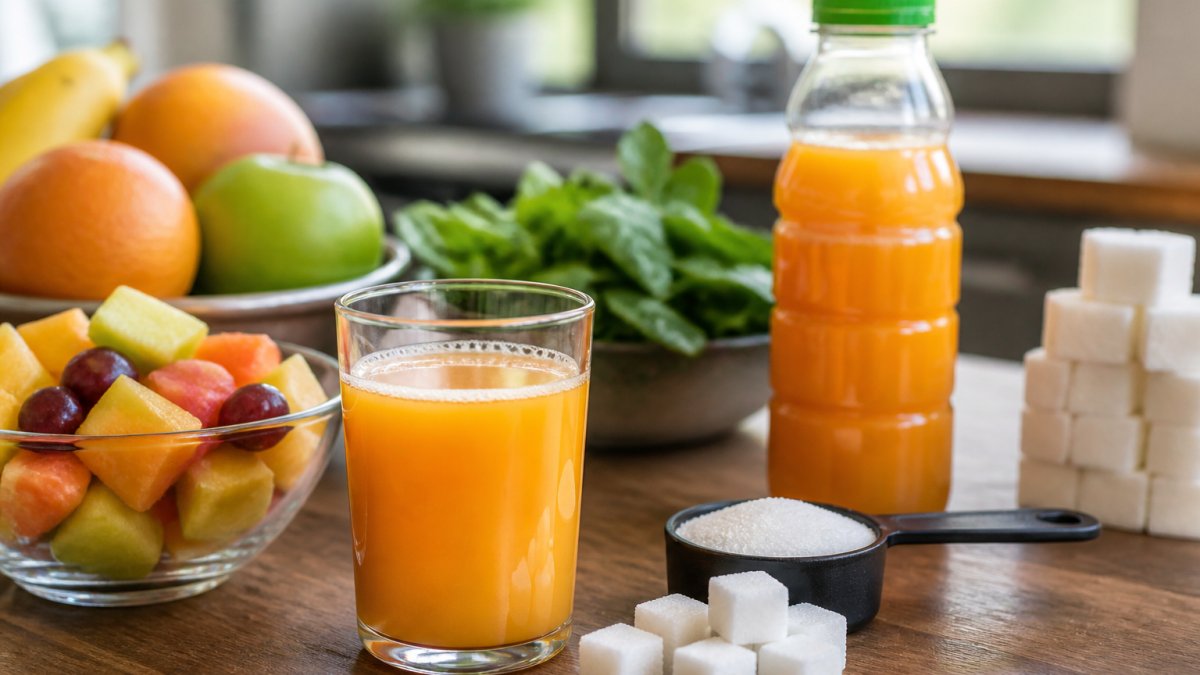
Here's the core problem. Fruit contains naturally occurring sugars, and those are fine in moderation. Added sugars are different. They're put in during processing, and they push the total sugar load higher without adding any nutrients.
So how do you tell them apart? You read the label the right way. That means knowing where added sugar hides, which words to scan for, and how a juice drink differs from real juice.
The Difference Between Fruit Juice and Juice Cocktail
Fruit juice is the liquid pressed from fruit with nothing extra added. A juice cocktail is a diluted drink with added sugar, water, and often flavorings.
The word on the front of the bottle matters more than the picture. "100% fruit juice" means what it says. "Juice cocktail," "juice drink," or "fruit punch" usually means the juice is cut with water and sweetened. Some bottles contain very little actual juice.
A common mistake is trusting the fruit imagery. A label can show ripe mangoes and still be mostly sugar water. The name of the product is the first clue, and it's the one most shoppers skip.
Watch for these front-label terms:
- 100% juice: no added sweeteners
- Juice cocktail or drink: diluted, often sweetened
- Fruit punch: usually a juice blend with added sugar
- Light or reduced sugar: may use artificial sweeteners instead
If the front says "cocktail" or "drink," flip it over. The ingredient list will tell you the rest.
How to Read Juice Ingredient Labels for Added Sugar
Ingredient lists are where added sugar shows up in plain sight, if you know the words to look for. Ingredients are listed by weight, so anything near the top is present in larger amounts. Scan the first five ingredients first.
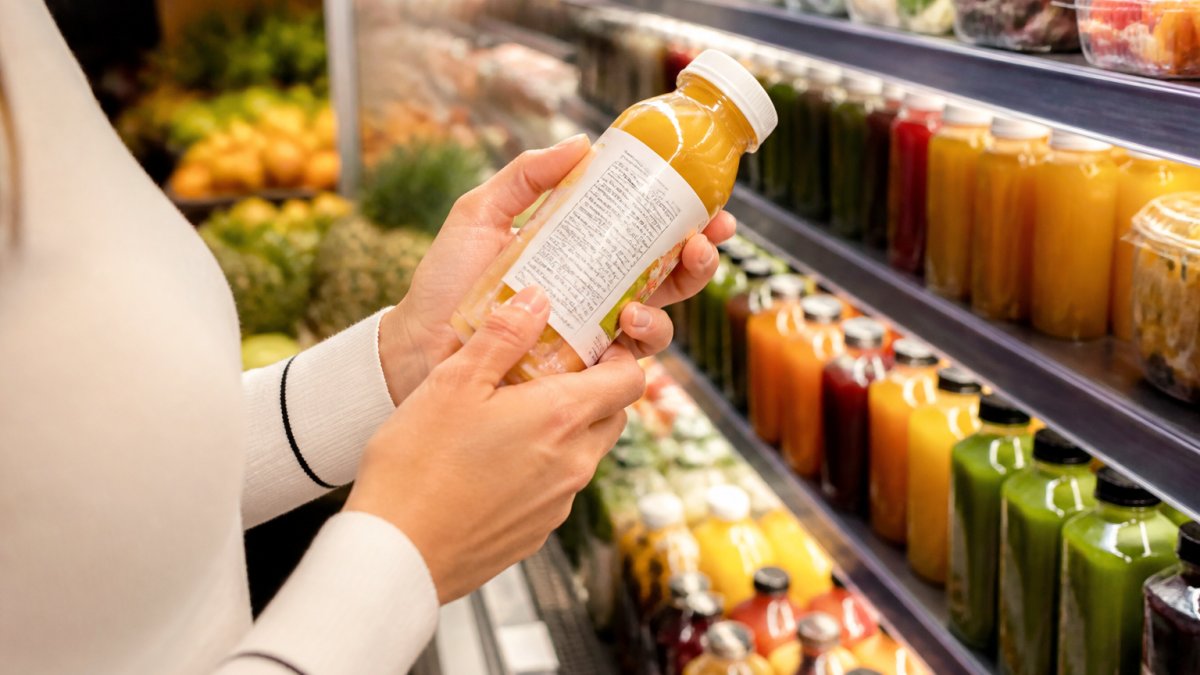
Ingredient List Red Flags to Scan For
Sugar rarely appears as just "sugar." It wears many names. Watch for these:
- Cane sugar, cane syrup, and evaporated cane juice
- High-fructose corn syrup and corn syrup solids
- Fruit juice concentrate (a sneaky one, covered below)
- Agave, honey, and maple syrup (natural, but still added sugar)
- Dextrose, maltose, and sucrose
If two or more of these appear, the drink is carrying a real sugar load. The FDA guidance on added sugars treats these sweeteners as added sugar regardless of how natural they sound.
FDA Nutrition Facts Label Requirements That Reveal Added Sugar
The Nutrition Facts panel is your fastest tool, and since the label overhaul it spells out added sugar directly. The FDA nutrition facts label requirements require a separate "Added Sugars" line indented under Total Sugars, plus a Percent Daily Value for added sugars. That single line removes most of the guesswork.
Here is the order to read it, top to bottom:
- Serving size: the numbers apply to one serving, not the whole bottle. A 12-ounce bottle often holds two or three servings.
- Total Carbohydrates: includes all sugars, starches, and fiber combined.
- Total Sugars: the sum of naturally occurring and added sugars.
- Added Sugars: the grams put in during processing, with a Percent Daily Value based on a 50-gram daily reference for a 2,000-calorie diet.
- Percent Daily Value: how much of that 50-gram reference one serving delivers.
A Worked Example You Can Copy in the Aisle
Say a bottle shows 26 grams of Total Sugars and 13 grams of Added Sugars per serving, with two servings per container. That means the whole bottle carries 52 grams of total sugar and 26 grams of added sugar, about half the daily added-sugar reference in one drink. A 100% orange juice, by contrast, typically shows sugars under Total Sugars but 0 grams Added Sugars, because the sugar is naturally occurring.
That gap between the two lines is the fastest sign of added sugar in fruit juice you will find. If the Added Sugars line is anything above zero, sweetener was put in during processing.
Naturally Occurring vs. Added Sugars on the Label
Naturally occurring sugars come from the fruit itself and arrive with water, fiber, and micronutrients. Added sugars are put in during processing and push the total sugar load higher without adding nutrients. The label separates the two so you do not have to guess which is which.
One more trap: the Percent Daily Value for added sugars is based on a 50-gram limit, not a target. A drink that delivers 50% of the Daily Value in one serving is doing most of the day's added-sugar budget in a single glass.
How Juice Concentrate and Sweeteners Raise Sugar Content
Fruit juice concentrate is fruit with most of the water removed. Sounds harmless. But concentrate is frequently added back to drinks to boost sweetness, and regulators count it as added sugar on the label. This is one of the sneakiest signs of added sugar in fruit juice, because the word "fruit" makes it sound healthy.
The sugar math is simple. Removing water concentrates the sugar, so a small volume of concentrate delivers a large sugar hit. Combine concentrate with cane sugar or corn syrup and the total climbs fast. A common pattern is a drink that lists water first, then two or three sweeteners, each one small enough on its own to look minor, but together they carry the load.
Ingredient-List Red Flags: Sugar's Many Names
Sugar rarely appears as just "sugar." Scan the first five ingredients, where the heaviest inputs sit, for these aliases:
- Cane sugar, cane syrup, and evaporated cane juice
- High-fructose corn syrup and corn syrup solids
- Fruit juice concentrate (fruit-derived, but still counted as added sugar)
- Agave, honey, and maple syrup (natural-sounding, still added sugar)
- Dextrose, maltose, and sucrose
- Brown rice syrup and glucose syrup
If two or more appear, the drink is carrying a real sugar load. The FDA guidance on added sugars treats these sweeteners as added sugar regardless of how natural they sound.
The Serving-Size Multiplier
Look at the serving size closely. A bottle may hold two or three servings, so the sugar grams multiply when you drink the whole thing. A drink showing 12 grams of added sugar per serving becomes 36 grams if the bottle holds three servings, most of the daily added-sugar reference in one sitting. Liquid calories add up quickly because drinks do not fill you up the way food does.
Blood Glucose Spikes, Dental Health, and Liquid Calories
Sugar in drinks hits your bloodstream faster than sugar in food. There's no fiber or chewing to slow it down, so a sweetened juice can cause a quick blood glucose spike. For anyone watching blood sugar, that fast rise matters.
Dental health takes a hit too. Sugar feeds the bacteria that cause cavities, and the acid in citrus juice can soften tooth enamel. Sipping a sweetened juice all morning keeps teeth bathed in sugar and acid.
Liquid calories are another quiet problem. A sweetened juice can carry the sugar of a dessert without the fullness. Many people drink it alongside a meal and never count it.
At Roxberry Juice Co., we blend smoothies to order from real fruits and vegetables. Our 100% natural juices skip the added sweeteners that hide in processed drinks. For busy parents and anyone watching sugar, that transparency is the whole point.
Conclusion
Reading juice labels takes about ten seconds once you know where to look. Start with the product name, scan the ingredient list for sugar's many names, then check the Added Sugars line on the Nutrition Facts panel. That habit separates real juice from sweetened drinks.
If you want juice without the guesswork, Roxberry Juice Co. is here to help. Our 100% natural, fresh-pressed juices and smoothies blended to order use real fruits and vegetables, with our signature Roxberry Granola on top. Download our app to find a store near you and sip something you can actually trust.
Frequently Asked Questions
What does 100 percent juice mean according to FDA standards?
The FDA allows a product to be called 100% juice only when it is made entirely from the juice of fruits or vegetables, with no added sweeteners, water, or artificial ingredients. Any product that adds sugar, high-fructose corn syrup, or water must be labeled as a juice drink, juice cocktail, or juice beverage instead. Checking for the 100% juice claim alongside an ingredient list that names only fruit or vegetable juice is the fastest way to confirm you are buying the real thing.
Are there specific ingredients that indicate added sugar in fruit juice?
Scan the ingredient list for names like cane sugar, high-fructose corn syrup, corn syrup solids, dextrose, sucrose, fruit juice concentrate, agave nectar, honey, and brown rice syrup. Fruit juice concentrate is a common hidden source because it sounds natural but functions as added sugar under FDA labeling rules. If any of these appear before the last few ingredients, the product likely contains a meaningful amount of added sugar rather than only naturally occurring sugars from whole fruit.
Does the term juice drink imply the presence of added sugar?
Not always, but it is a strong signal. The FDA reserves the term 100% juice for products with no added sweeteners or water, so a juice drink, juice cocktail, or fruit drink usually contains added sugar, water, or both. Some juice drinks rely on artificial sweeteners instead of sugar, which is why reading the Nutrition Facts label for Added Sugars and the ingredient list together matters. A juice drink with zero added sugars is possible, but the label must confirm it.
How can you tell natural fruit sugars from added sugars on a nutrition label?
The FDA Nutrition Facts label lists Total Sugars and, on a separate line beneath it, Added Sugars. Total Sugars includes both naturally occurring sugars from fruit and any sugars added during processing. Added Sugars shows only what was introduced beyond what the fruit naturally provides. If the Added Sugars line reads 0g, the sugar in the product comes from the fruit itself. If it shows a number, that amount was added during manufacturing, even if the ingredient list uses a natural-sounding name.