 how-to
Natural Sweeteners and Energy: What the Science Shows
Table of Contents
- How Natural Sweeteners and Energy Levels Connect
- Natural Sweeteners and Blood Sugar: The Core Mechanism
- Honey vs Sugar Energy: A Direct Comparison
- Understanding Natural Sugar Energy Crash
- Steady Energy Snacks: Choosing and Combining Sweeteners
- What Research Actually Shows About Natural Sweeteners
- Practical Strategies for Sustained Energy Without the Crash
- Frequently Asked Questions
Last Updated: October 13, 2026
How Natural Sweeteners and Energy Levels Connect
How natural sweeteners energy levels are connected is more closely linked than most people realize. Any sweetener, honey, maple syrup, or stevia, is processed in ways that directly affect how energized you feel. The key difference lies not in the source, but in how quickly it enters your bloodstream and how your body manages that sugar.
At Roxberry Juice Co., we help customers understand how food choices impact daily energy. Not all sweeteners hit your system the same way: some create a quick spike and crash, others provide steadier fuel. Understanding this distinction changes how you approach snacks and drinks.
The relationship between natural sweeteners and energy depends on three factors: how fast the sweetener raises blood sugar, how insulin responds, and what you eat it with. A spoonful of honey alone behaves very differently than honey paired with nuts and fiber, most energy advice falls short because it treats sweeteners as isolated ingredients rather than part of a meal.
Natural Sweeteners and Blood Sugar: The Core Mechanism
Your blood sugar directly controls your energy levels. When blood glucose rises quickly, your body releases insulin to pull sugar into cells for use or storage. The faster the rise, the faster the fall, and that fall creates the energy crash.
Natural sweeteners trigger different blood sugar responses depending on composition. Honey contains glucose and fructose; table sugar is sucrose, which breaks down into the same two; maple syrup follows a similar pattern. These structural differences matter because fructose and glucose are processed through different metabolic pathways, affecting how quickly energy becomes available and how long it lasts.
Glycemic Index and Glucose Response
The glycemic index measures how quickly a food raises blood glucose compared to pure glucose. Foods with a high glycemic index spike your blood sugar fast. Foods with a low glycemic index raise it more gradually.
Honey has a glycemic index around 58, table sugar around 65, and maple syrup around 54. These differences seem small but compound throughout the day: a moderate-index sweetener gives steadier energy, so you stay alert longer without the mid-afternoon dip.
Individual variation matters too. Age, fitness level, recent meals, and metabolism all influence how your body handles a sweetener. Someone who exercises regularly may have a more stable glucose response than someone sedentary, which is why one person thrives on honey in their morning juice while another crashes by 10 a.m.
Insulin's Role in Energy Availability
Insulin is your body's energy manager: when blood glucose rises, insulin moves it into cells for immediate energy or storage. The problem emerges when insulin spikes too high too fast.
A sharp insulin spike pulls glucose out of your bloodstream rapidly, so blood glucose drops just as quickly, triggering fatigue, brain fog, and sugar cravings, your body is over-correcting. The insulin response to natural sweeteners varies based on what else you eat: protein and fat slow stomach emptying, so glucose enters the bloodstream more gradually and requires a less dramatic insulin response.
That's why pairing a sweetened drink with nuts or protein changes everything: you're not just adding calories, you're altering how your body processes the sweetener and manages energy.
Honey vs Sugar Energy: A Direct Comparison
Comparing honey and sugar reveals practical differences. Both have similar calories and total carbohydrates, but their composition differs slightly, and that matters for energy stability.
Honey is roughly 30% glucose, 40% fructose, and 20% water, with trace minerals like potassium and magnesium; table sugar is 50% glucose and 50% fructose. Honey therefore delivers slightly more fructose relative to glucose, and fructose enters the bloodstream more slowly, meaning more gradual energy availability.
The practical effect: honey tends to produce a slightly lower, noticeably steadier blood sugar spike than table sugar, and many people report more sustained energy from a spoonful in tea or water.
What matters most: both honey and sugar cause crashes if consumed alone on an empty stomach. The difference becomes meaningful only when paired with other foods, honey in oatmeal with nuts stays stable, while honey in plain hot water creates a brief spike and dip.
Understanding Natural Sugar Energy Crash
The energy crash is real, and it's not a character flaw, it's biochemistry. Consume a sweetener alone and your body responds with a sequence of events that leads to fatigue and mental fog.
Why the Crash Happens
Blood glucose rises after you consume the sweetener, insulin increases to manage it, and glucose moves into cells quickly. Blood sugar then drops below baseline, and your brain perceives a fuel shortage: fatigue sets in, concentration falters, and sugar cravings emerge.
This cycle happens because your body over-corrects: the insulin response is proportional to the spike, so a steep rise triggers a steep drop. Natural sweeteners like honey and maple syrup still trigger it when consumed without supporting nutrients.
Timing varies: a small amount of honey might cause fatigue within 90 minutes, a larger amount within 45. The crash lasts 20-40 minutes for most people, a window when productivity drops, mood dips, and sugar cravings intensify.
Individual Variation and Health Factors
Not everyone experiences the crash with equal intensity. Several factors influence how pronounced it is.
Physical fitness level affects glucose tolerance: regular exercisers have more efficient muscle glucose uptake and less dramatic blood sugar swings, so athletes often handle higher-glycemic foods without severe crashes.
Meal timing and recent food intake matter significantly: a sweetener eaten after a meal with protein and fat causes minimal or no crash, while one eaten on an empty stomach causes a pronounced one.
Age and metabolic health play a role: younger people without metabolic issues typically handle blood sugar swings better than older adults or those with prediabetes, though even young, healthy people crash from pure sweeteners consumed alone.
Understanding your personal response beats following general rules. Some people crash within an hour of honey on an empty stomach; others notice nothing. Observe your own energy patterns and adjust accordingly.
Steady Energy Snacks: Choosing and Combining Sweeteners
The strategy for stable energy isn't avoiding sweeteners, it's combining them intelligently. Pairing any sweetener with protein, fat, and fiber transforms how your body processes it and how you feel afterward.
Pairing Sweeteners with Protein and Fiber
Protein slows stomach emptying so glucose enters the bloodstream more gradually; fat does the same, and fiber adds bulk that slows digestion further. Together they buffer against sharp blood sugar spikes.
A practical example: honey on plain toast creates a rapid blood sugar rise, while honey on whole-grain toast with almond butter creates a much steadier one, the almond butter's protein and fat plus the whole grain's fiber change how your body processes the honey.
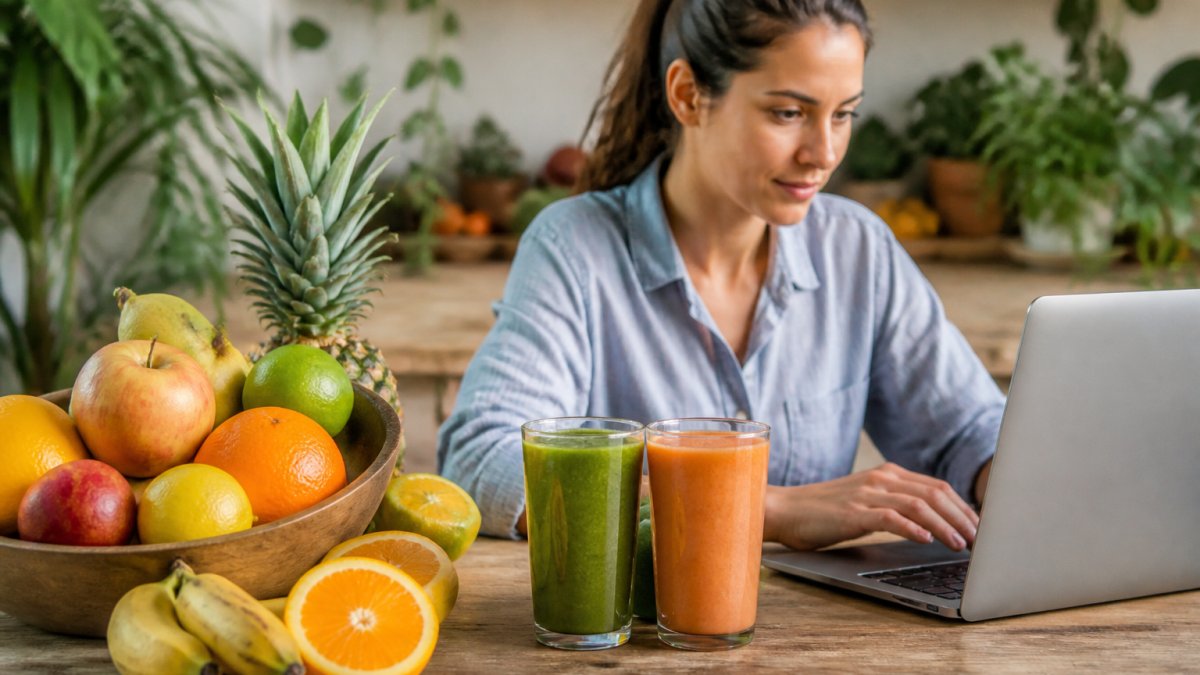
The same applies to smoothies: one made with fruit juice and honey alone causes a spike and crash, while one with fruit, Greek yogurt, nuts, and a touch of honey provides sustained energy, the yogurt and nuts supply protein and fat, the fruit supplies fiber, and the honey adds sweetness without dominating the glucose response.
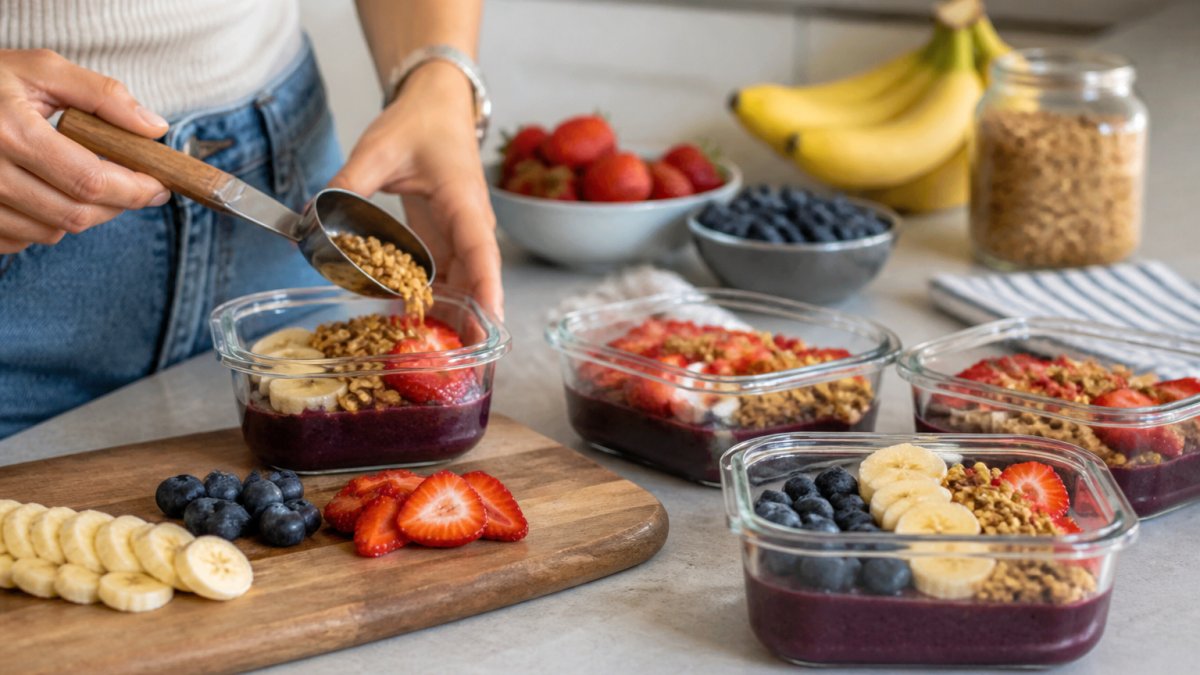
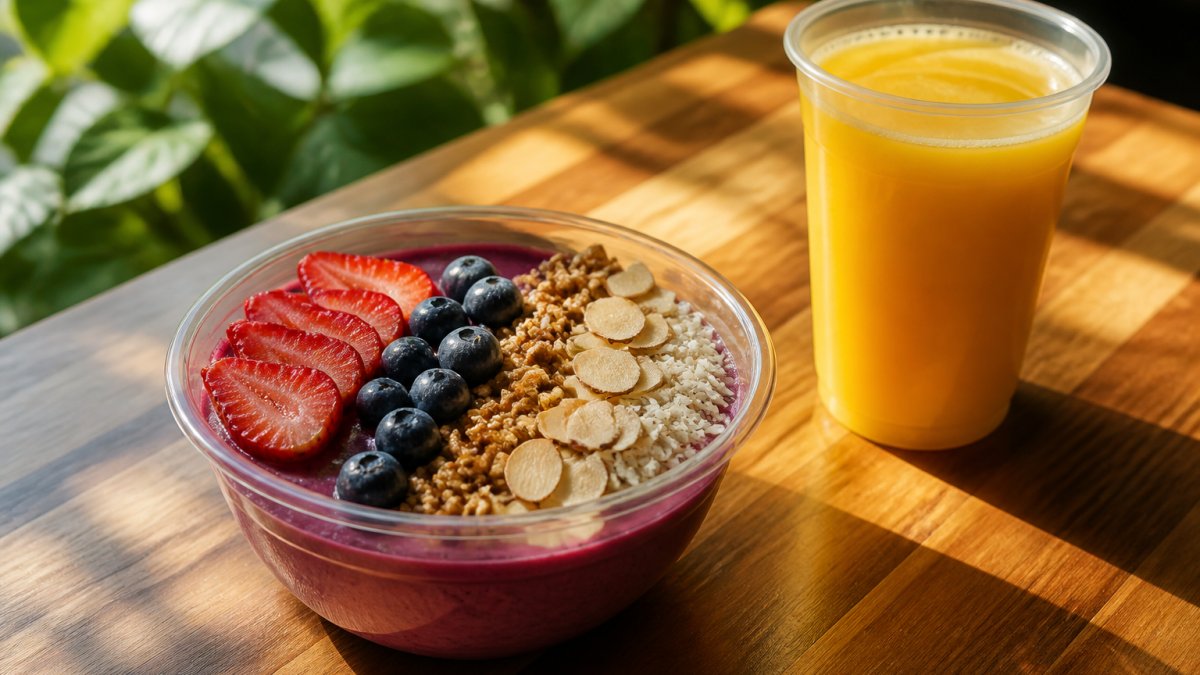
Roxberry Juice Co. builds this principle into every smoothie and açaí bowl. Pairing fresh fruit with our signature Roxberry Granola, which contains nuts and oats, supports steady energy.
Timing and Portion Size Matter
Portion size directly affects how high your blood sugar rises: a teaspoon of honey produces a smaller spike than a tablespoon, and a small smoothie a gentler rise than a large one. Obvious, perhaps, but many people consume larger portions than they realize.
Timing matters equally. A sweetened snack mid-morning, when blood glucose is already elevated, creates a bigger spike than one eaten with breakfast. After a workout, muscles actively pull glucose from the bloodstream for recovery, so the spike is less dramatic because the glucose has somewhere to go immediately.
The most stable approach: consume sweetened foods as part of a meal or substantial snack with protein and fiber, never alone on an empty stomach if you're concerned about crashes.
Portion control also means recognizing your body doesn't distinguish "natural" from "processed" sugar in blood glucose impact: a tablespoon of honey raises blood sugar similarly to a tablespoon of table sugar.
What Research Actually Shows About Natural Sweeteners
Research on natural sweeteners energy and its effects is more limited than marketing suggests. Many claims about honey's unique properties or maple syrup's benefits rest on small studies or theoretical mechanisms not robustly tested in humans.
The Limits of 'Natural' Claims
"Natural" carries marketing weight but limited scientific meaning for energy effects.
Some research suggests honey's polyphenols have antioxidant properties, but the amounts are small and the practical energy benefit unclear. Getting meaningful antioxidant effects would require large quantities of honey, creating significant blood sugar disruption in the process.
The most honest assessment: natural and refined sweeteners produce similar energy effects. Differences are modest and depend far more on portion size and what you eat the sweetener with than on whether it came from a plant or a factory.
This doesn't mean natural sweeteners are bad choices, it means their energy benefits are often overstated. The real advantage of natural sweeteners like those in Roxberry Juice Co. juices and smoothies comes from the whole-food context, fresh fruit, vegetables, and nutrient-dense additions.
Practical Strategies for Sustained Energy Without the Crash
The strategies that work for stable energy are straightforward, no special supplements or exotic ingredients, just understanding how your body processes food and making deliberate choices.
Choose whole fruits over juice when possible. Whole fruit's fiber slows sugar absorption; juice lacks it, so the same natural sugar hits your bloodstream much faster.
Eat smaller portions of sweeteners. A tablespoon of honey affects blood sugar differently than three. Portion control is overlooked but remarkably effective.
Time sweetened foods strategically. After exercise or with a balanced meal, they produce steadier energy than on an empty stomach mid-morning.
Stay hydrated and manage stress. Dehydration impairs glucose handling. Stress triggers cortisol, which disrupts blood sugar regulation.
The common thread: stable energy comes from treating sweeteners as part of a larger nutritional context.
Stable energy throughout your day starts with understanding how your body processes sweeteners. The natural sweeteners you choose matter less than how you combine them with protein, fiber, and fat.
Frequently Asked Questions
Do natural sweeteners give you energy?
Natural sweeteners like honey and maple syrup contain carbohydrates that your body converts to glucose for energy. However, the energy boost depends on the type and amount. Sweeteners alone provide quick energy but often lead to a crash. Pairing them with protein, fat, or fiber slows glucose absorption and sustains energy longer. Calorie-free sweeteners like stevia don't provide energy directly but won't trigger a blood sugar spike either.
How do natural sweeteners and blood sugar work together?
Natural sweeteners raise blood glucose at different rates based on their glycemic index. Honey has a moderate glycemic index (around 55-58), while table sugar is higher (around 65). When blood sugar rises quickly, your pancreas releases insulin to bring it down, sometimes overshooting, which causes energy crashes. Whole-food sweeteners with fiber (like dates) slow this response. Individual factors like fitness level, meal composition, and metabolic health affect how your body handles these changes.
Can natural sweeteners cause an energy crash?
Yes, natural sweeteners can trigger energy crashes, especially when consumed alone or in large amounts. A rapid spike in blood glucose triggers a strong insulin response, which can drop blood sugar too low, leaving you fatigued or foggy. The severity depends on individual metabolism, the sweetener type, and whether it's paired with other nutrients. Adding protein, healthy fat, or fiber significantly reduces crash risk by slowing glucose absorption.
Which natural sweetener is best for steady energy?
No single sweetener guarantees steady energy alone. The best approach combines sweeteners with protein and fiber. Honey offers trace minerals and a moderate glycemic response. Dates provide fiber and natural sweetness. Fruits deliver sweetness with fiber, water, and nutrients that slow absorption. Whole-food sources (like fresh juices blended with vegetables and protein) can be a good option. Individual tolerance varies, so track your energy response to different options and adjust portions and pairings accordingly.