 listicle
Best Anti-Inflammatory Foods for Bloating
Table of Contents
- Best Anti-Inflammatory Foods for Bloating Relief
- Foods That Cause Bloating: What to Limit or Avoid
- How to Reduce Bloating Naturally: Meal Timing and Preparation
- Teas for Bloating and Inflammation: Peppermint, Ginger, and More
- The Fiber Paradox: When Healthy Foods Cause Bloating
- How Roxberry Juice Co. Supports Your Digestive Health
- Conclusion: Finding Your Personal Anti-Inflammatory Path
- Frequently Asked Questions
Last Updated: October 16, 2026
Best Anti-Inflammatory Foods for Bloating Relief
Certain foods calm the gut while others quietly aggravate it, and the best anti-inflammatory foods for bloating tend to do both jobs at once: they ease irritation in the gastrointestinal tract and help move trapped gas and fluid along. This guide from Roxberry Juice Co. breaks down which foods help, which ones trigger symptoms, and how to eat them in a way that actually works for your body. Below, we'll show you exactly how to build meals that fight inflammation and settle your stomach, starting with the produce and spices that do the most work.
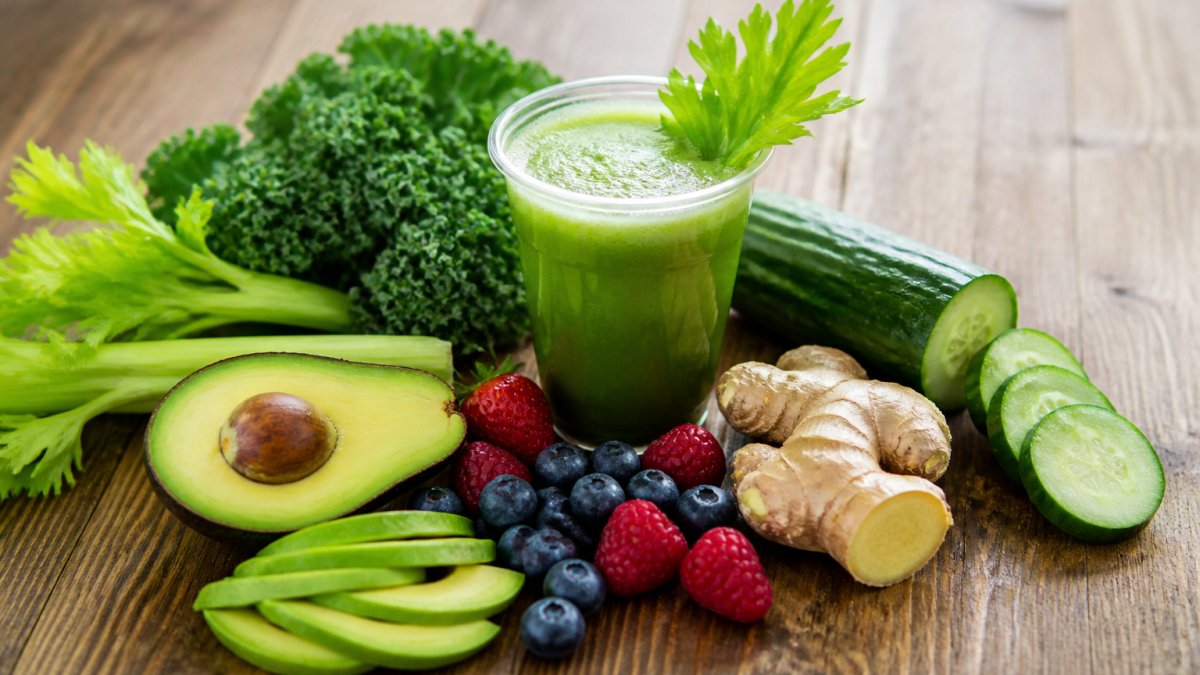
Fruits and Vegetables That Soothe Digestion
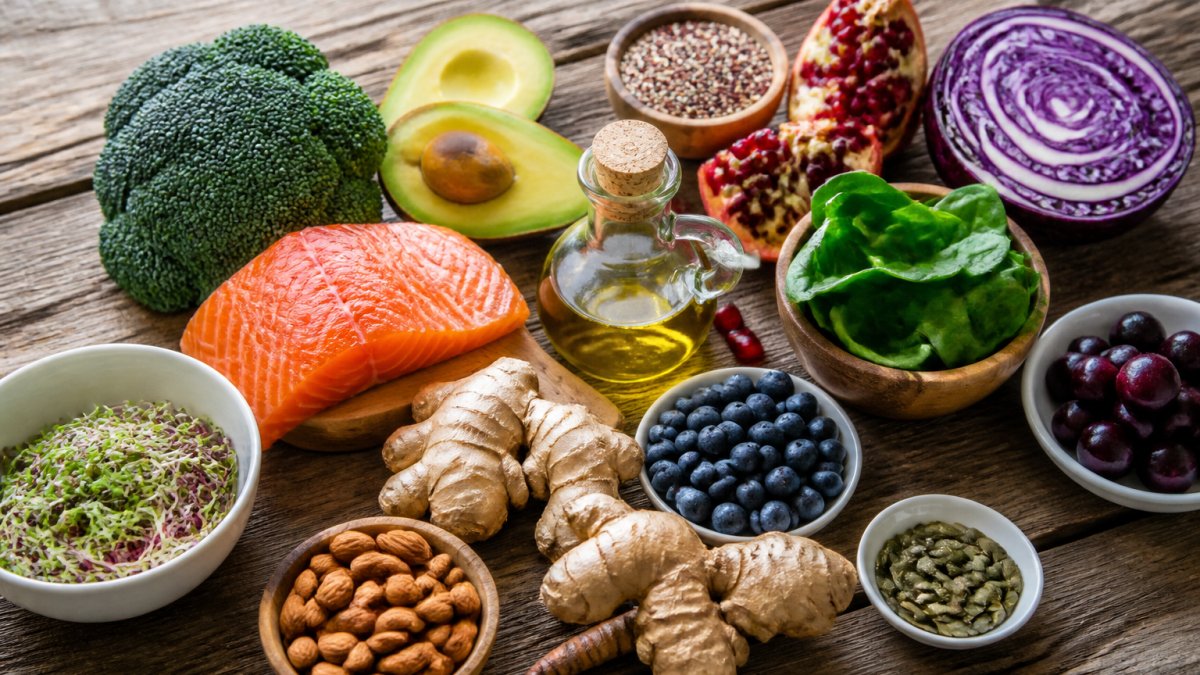
Produce earns its place here for two reasons: fiber and water. Cucumber and avocado both appear in bloating-focused food guidance, with avocado noted for supporting regularity and curbing water retention, according to Healthline's guide to foods that help with bloating. Bananas bring potassium, which matters because fluid retention often mimics bloating. Berries, including blueberries, raspberries, and strawberries, are low in sugar and rich in fiber, and their polyphenols feed beneficial gut bacteria, per The Well by Northwell's list of foods that reduce bloating.
Here's the practical version: build meals around cucumber, avocado, bananas, and berries, then add cooked vegetables rather than raw when your gut feels sensitive.
Spices and Healthy Fats That Fight Inflammation
Turmeric and ginger top most lists for a reason. GoodRx notes that turmeric contains curcumin, associated with anti-inflammatory effects, and lists both turmeric and ginger among foods that may reduce bloating and gas, according to GoodRx's guide to foods that reduce bloating. Pair those spices with healthy fats. Harvard Health Publishing includes unsaturated fats such as olive oil in its anti-inflammatory diet guidance, and Cleveland Clinic lists fatty fish among foods that may help soothe inflammation, per Harvard Health Publishing on anti-inflammatory diet foods and Cleveland Clinic's anti-inflammatory diet guidance.
A simple rule: cook with olive oil, season with turmeric and ginger, and add fatty fish a few times a week.
Foods That Cause Bloating: What to Limit or Avoid
The foods that cause bloating are not universally "bad." They're foods that ferment quickly in the gut or pull water into the digestive tract, and they hit some people harder than others. Carbonated drinks, heavy fried foods, and large amounts of added sugar are common culprits. So are dairy products for anyone with lactose intolerance, and wheat or onions and garlic for people sensitive to certain carbohydrates.
This is where the FODMAP nuance matters. FODMAPs are fermentable carbohydrates that draw water into the intestines and feed gas-producing bacteria. Onions, garlic, wheat, apples, and many beans are high in FODMAPs. They're healthy foods, but for a sensitive gut they can trigger the exact bloating you're trying to fix.
| Trigger Category | Examples | Why It Bloats | What to Try Instead |
|---|---|---|---|
| Carbonated drinks | Soda, sparkling water | Trapped gas | Still water with cucumber |
| High-FODMAP produce | Onions, garlic, apples | Fermentation in the gut | Zucchini, spinach, berries |
| Dairy | Milk, soft cheese | Lactose intolerance | Lactose-free milk, hard aged cheeses |
| Fried and fatty foods | Fast food, chips | Slows digestion | Olive oil, baked options |
| Sugar alcohols | Sugar-free gum, protein bars | Poorly absorbed, ferment in the colon | Monk fruit, small amounts of stevia |
| Wheat and rye | Bread, pasta, cereal | Fructans | Sourdough, gluten-free oats, rice |
Hidden sources most people miss. Onion and garlic powder show up in marinara, soups, salad dressings, and most seasoning blends. Inulin and chicory root fiber, both high-FODMAP, are added to many "gut-friendly" yogurts, protein bars, and fiber supplements. Sugar alcohols (sorbitol, mannitol, xylitol) appear in sugar-free gum, mints, and protein bars. If you've cut the obvious triggers and still bloat, check the ingredient labels on the foods you eat every day.
A framework for identifying your own triggers. Rather than eliminating everything at once, most practitioners find a structured approach works better:
- Keep a two-week baseline log. Record what you eat, when you eat, and your bloating severity on a simple 1-5 scale. Do not change anything yet. You're looking for patterns, not perfection.
- Pick one suspect category. The most common starting points are high-FODMAP produce (onions, garlic, apples), dairy, or wheat. Choose the one that appears most often in your log.
- Remove it for 10-14 days. Keep everything else the same. If symptoms don't change, that category probably isn't your trigger, move to the next one.
- Reintroduce one food at a time. Add a single item back (for example, half an onion) and track symptoms for 48 hours before testing the next item. This is how you separate a true trigger from a coincidence.
- Rebuild your plate around what you learned. Most people find they can tolerate small portions of their triggers, especially when cooked or paired with other foods.
If symptoms are severe, persistent, or come with weight loss, blood in the stool, or fever, that is a conversation for a physician, not a food log. A registered dietitian can also guide a structured low-FODMAP elimination and reintroduction phase, which is the gold standard for pinpointing triggers without unnecessarily restricting your diet.
How to Reduce Bloating Naturally: Meal Timing and Preparation
Knowing how to reduce bloating naturally comes down to three levers: how you cook, when you eat, and how fast you eat. Preparation changes everything. Raw cruciferous vegetables like broccoli and cauliflower are far more likely to cause gas than the same vegetables steamed or roasted, because cooking breaks down some of the compounds that ferment. Soaking beans and rinsing canned ones removes some of the sugars that feed gas production. Even with careful meal preparation, persistent digestive discomfort may require the addition of natural supplements for bloating to help soothe the gut lining and improve overall transit times.
Meal timing matters too. Eating large meals late at night gives your digestive system less time to work before you lie down. Smaller, more frequent meals tend to sit better. And slowing down, chewing thoroughly, and not drinking through a straw all reduce the amount of air you swallow, which is one of the most overlooked causes of bloating.
Teas for Bloating and Inflammation: Peppermint, Ginger, and More
Teas for bloating and inflammation are the easiest entry point because they're warm, hydrating, and simple to test. Peppermint is the standout. GoodRx includes peppermint among foods that may help reduce bloating and gas, and peppermint tea appears as a possible option in Healthline's bloating guidance, according to Healthline on foods that help with bloating. Ginger tea is the other strong choice, since ginger shows up repeatedly in bloating-focused food lists.
A few practical notes. Sip tea between meals rather than during them, since too much liquid with food can dilute digestive juices. Peppermint can relax the valve at the top of the stomach, so if you get heartburn, keep it to between meals. Chamomile and fennel are gentler alternatives if peppermint doesn't sit well.
The Fiber Paradox: When Healthy Foods Cause Bloating
The fiber paradox is the reason so many people give up on healthy eating: the foods that are best for your gut microbiome can be the same foods that leave you bloated an hour later. Fiber feeds beneficial bacteria, but it also produces gas as a byproduct. Add fiber too fast and your gut has no time to adjust.
The fix is gradual change. Increase fiber intake slowly over several weeks instead of all at once, and pair fiber-rich foods with plenty of water, since fiber needs fluid to move through the digestive tract. Mix soluble and insoluble sources rather than loading up on one type. If beans and raw vegetables consistently cause problems, cooked and soaked versions often solve it.
How Roxberry Juice Co. Supports Your Digestive Health
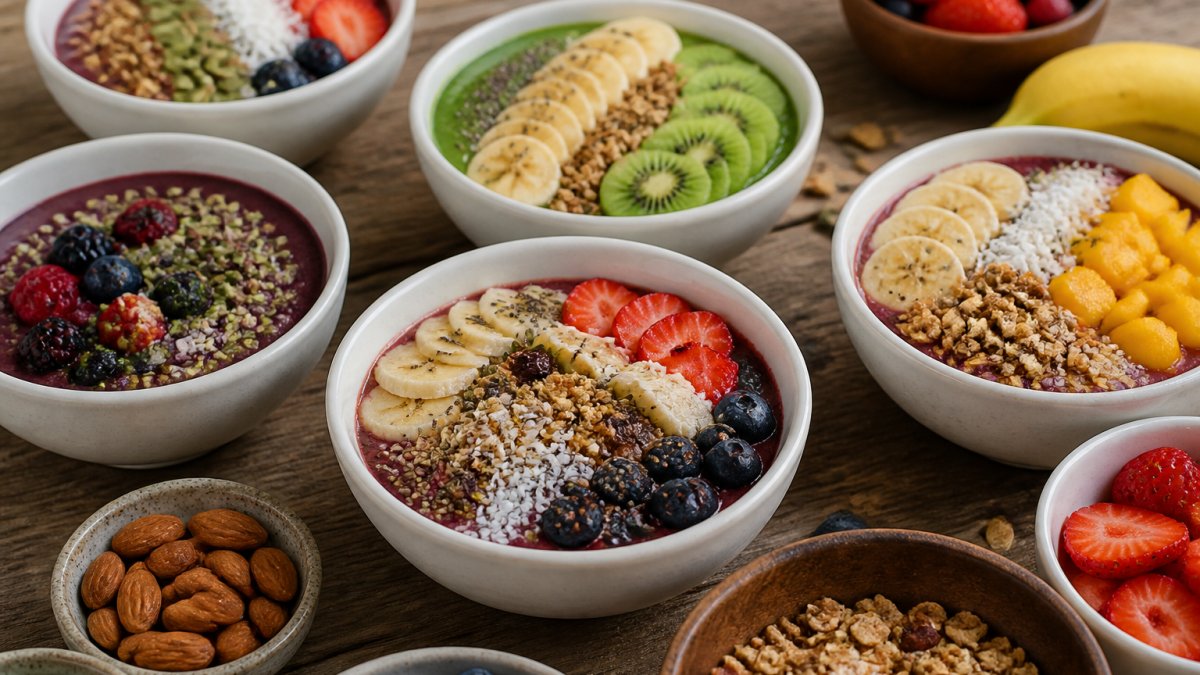
Getting enough anti-inflammatory foods into a busy day is the hard part. That's where Roxberry Juice Co. comes in. We make 100% natural, fresh-pressed juices, smoothies blended to order, and açaí bowls from real fruits and vegetables, topped with our signature Roxberry Granola. If you're dairy-free or managing a sensitive gut, our transparent ingredient approach means you know exactly what's in your cup.
Our locally owned and operated stores are built for people who want to restore great digestion, increase energy, and improve mental clarity without a complicated meal plan. A fresh-pressed juice or a smoothie blended to order is one of the simplest ways to work more anti-inflammatory produce into your day, especially when you're grabbing breakfast or lunch on the go. You can download our app to order ahead and skip the wait.
Conclusion: Finding Your Personal Anti-Inflammatory Path
There is no single list of anti-inflammatory foods that works for everyone, because bloating is personal. The foods that calm one gut can irritate another, and the only way to know your triggers is to test them one at a time. Start with the gentle basics: cucumber, berries, bananas, ginger, turmeric, and cooked vegetables. Cut back on carbonated drinks and high-FODMAP foods. Then adjust based on what your body tells you.
Frequently Asked Questions
How do I reduce bloating and inflammation at the same time?
Focus on foods that do double duty. Berries, fatty fish, and olive oil are anti-inflammatory foods that may also support digestive comfort. Ginger and turmeric can be added to meals or teas. Stay hydrated and eat slowly. If bloating persists, talk to a doctor about individual triggers like FODMAPs or food intolerances.
What foods can make bloating worse?
Foods that cause bloating often include carbonated drinks, salty processed snacks, and refined carbohydrates. Dairy and wheat can trigger symptoms if you have an intolerance. High-FODMAP items like onions, garlic, and certain beans affect some people. Keep a food diary to identify your personal triggers rather than eliminating everything at once.
Which teas are good for reducing inflammation?
Peppermint tea is a go-to for bloating relief. Ginger tea may help with gas and nausea. Turmeric tea contains curcumin, which is linked to anti-inflammatory effects. Chamomile and fennel teas are also popular for digestive comfort. Sip them after meals or when symptoms flare. No single tea works for everyone, so try a few to see what helps you.
Can an anti-inflammatory diet help with bloating?
An anti-inflammatory diet emphasizes fruits, vegetables, whole grains, and healthy fats while limiting processed foods. This pattern may reduce systemic inflammation and support gut health. For bloating specifically, the benefit often comes from identifying trigger foods and improving fiber intake gradually. Pair dietary changes with hydration and stress management for best results.
When should I talk to a doctor about persistent bloating?
See a doctor if bloating is severe, lasts more than a few days, or comes with pain, vomiting, diarrhea, or unexplained weight loss. Persistent bloating can signal conditions like IBS, leaky gut, or food intolerances that need medical evaluation. A doctor can help you rule out serious issues and guide an individualized elimination diet if needed.
Bloating is frustrating, but it's also fixable once you know which foods help and which ones work against you. Roxberry Juice Co. makes it easier to eat well on a busy schedule with 100% natural, fresh-pressed juices, smoothies blended to order, and açaí bowls made from real fruits and vegetables. Download our app to order ahead and start building a routine that supports your digestion, your energy, and your day.