 listicle
Nutrient Dense Snacks for Athletes: 8 Best Options
Table of Contents
- What Makes a Snack Nutrient Dense?
- Pre-Workout Snack Ideas for Sustained Energy
- Post-Workout Recovery Nutrition for Muscle Repair
- Portable Snacks for Athletes on the Go
- Budget-Friendly Meal Prep for Athletes
- How to Choose Nutrient Dense Snacks with Dietary Restrictions
- Frequently Asked Questions
Last Updated: September 28, 2026
What Makes a Snack Nutrient Dense?
A nutrient dense snack is a food that delivers a high amount of vitamins, minerals, protein, fiber, and healthy fats relative to its calorie content. For athletes, that definition matters more than it does for anyone else.
Training breaks down muscle tissue, drains glycogen stores, and pulls electrolytes out through sweat. A snack that fills you up without replacing those losses is dead weight in your gym bag.
This guide from Roxberry Juice Co. breaks down nutrient-dense snacks for athletes, organized by when you actually need them. Below, we'll show you exactly which options work before training, after training, and on the road.
The best choices share three traits: they prioritize macronutrients that support muscle recovery, they come from whole foods rather than engineered bars, and they fit into a real schedule. Athletes juggling work, school, and practice don't have time to assemble a perfect plate three times a day.
What most guides miss is that timing changes everything. A snack that works beautifully two hours before a game can wreck your stomach if you eat it ten minutes before. The USDA Dietary Guidelines for Americans frame nutrition around food groups rather than isolated nutrients, and that same logic applies here: build snacks from real food first, then adjust portions and timing to your training load.
Pre-Workout Snack Ideas for Sustained Energy
Pre-workout snack ideas should lean on complex carbohydrates that digest steadily and top off glycogen replenishment without sitting heavy in your stomach. The goal is sustained energy, not a sugar spike that crashes mid-session.
The mechanism matters here. Carbohydrate leaves the stomach and enters the bloodstream at a rate governed by fiber, fat, and protein content. High-fat and high-fiber snacks slow gastric emptying, which is fine on a rest day but a liability 45 minutes before a hard interval session. That is why the same snack can feel perfect at 2 p.m. and terrible at 5:55 p.m.
Whole grains are the workhorse for the 2-3 hour window. Rolled oats make an ideal base: 100% whole grain, high in fiber intake, and easy to customize with fruit or nut butter. Prepare overnight oats the night before, and breakfast is handled in under two minutes.
Raisins cover the opposite need. They are a quick-release carbohydrate source that is easy to digest during endurance events, and the portable boxes fit in a jersey pocket. A banana works the same way, roughly 27g of carbs and about 400mg of potassium per medium fruit, which is one reason it shows up in nearly every endurance aid station.
Timing-specific carb-to-protein ratios are where most guides go quiet. A useful framework:
- 2-3 hours before training: 1-2g of carbohydrate per kilogram of body weight, with 15-20g of protein. This is a meal-sized snack, not a handful of nuts.
- 60-90 minutes before: 0.5-1g of carbs per kilogram, low fat, low fiber, minimal protein. Oats with a little honey, a banana, or a small bowl of white rice.
- Under 60 minutes before: 15-30g of fast carbs only. Raisins, a sports drink, or a piece of white toast. Fat and fiber are out.
A simple pre-workout formula:
- 30-60g of complex carbs (oats, whole grain toast) for sessions more than 90 minutes out
- A small amount of lean protein or plant-based protein, enough to blunt hunger, not enough to slow digestion
- Low fat and low fiber if you are eating within an hour of training
One micronutrient worth flagging: magnesium supports muscle contraction and energy metabolism, and it is one of the nutrients athletes most often under-consume. Oats, pumpkin seeds, and dark leafy greens are practical sources. A pre-workout snack built on oats and a spoon of pumpkin seeds covers carbs and magnesium in the same bite.
For athletes who train early and cannot stomach a full snack, a blended smoothie with fruit and a scoop of oats is a workable middle ground, liquid digests faster than solid food, and you can dial the thickness up or down based on how close you are to the start.
Post-Workout Recovery Nutrition for Muscle Repair
Post-workout recovery nutrition has one job: start muscle recovery and protein synthesis as quickly as practical. That means pairing lean protein with fast carbohydrates within roughly an hour of finishing. Refining these immediate post-exercise habits establishes the metabolic foundation necessary to optimize your race day nutrition.
The physiology behind the window is straightforward. Resistance training and hard endurance work both create muscle protein breakdown and deplete glycogen.
Timing-specific ratios are where the generic advice breaks down:
- Endurance work (long runs, cycling, soccer): aim for roughly 3:1 to 4:1 carbs-to-protein. A 4:1 ratio means 60g of carbs to 15g of protein, which is the pattern most sports nutrition practitioners recommend for glycogen restoration.
- Heavy strength training: closer to 2:1. Protein needs are higher relative to carbs because the primary goal is repair, not glycogen refill.
- Skill or light sessions: a 1:1 or even protein-dominant snack is fine. You are not chasing a big glycogen deficit.
| Snack | Key Nutrient | Best Timing | Portability |
|---|---|---|---|
| Greek yogurt | Protein, calcium | Within 1 hour post-workout | Low |
| Turkey meat sticks | Lean protein | Any time post-workout | High |
| Pistachios | Plant protein, antioxidants | 1-2 hours post-workout | High |
| Roxberry smoothie | Carbs, protein, micronutrients | Immediately post-workout | Medium |
For athletes who want a recovery snack without assembling anything, a blended smoothie or açaí bowl built from real fruit and vegetables covers carbohydrates, micronutrients, and hydration in one stop. That is the gap Roxberry Juice Co. fills: 100% natural juices, smoothies blended to order, and bowls topped with our signature Roxberry Granola, made fresh in locally owned stores.
Portable Snacks for Athletes on the Go
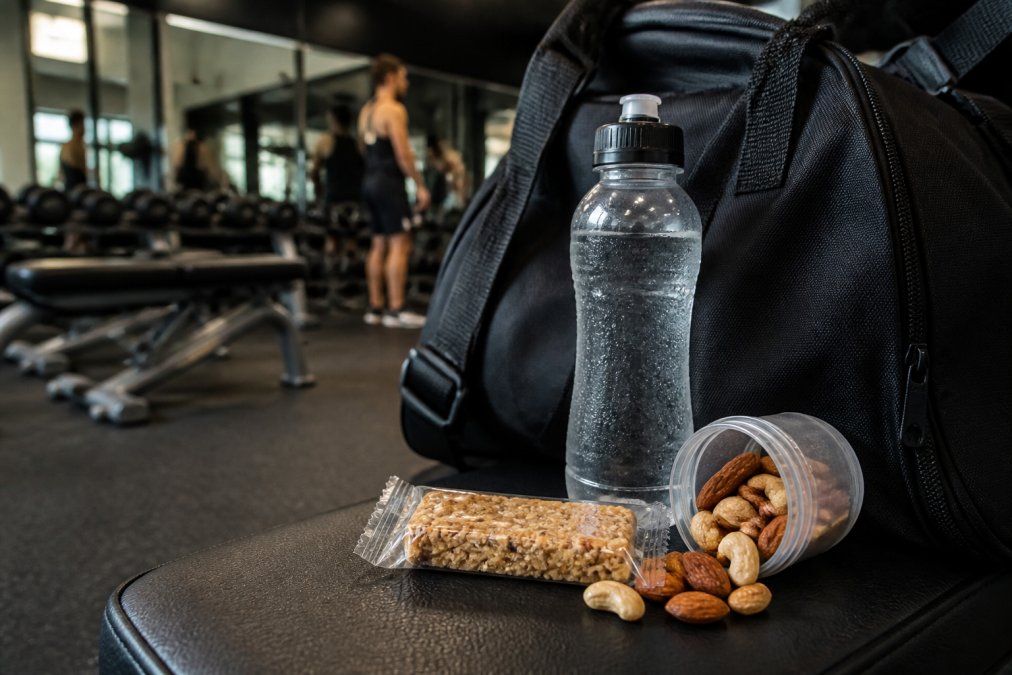
Portable snacks for athletes on the go need to survive a hot car, a crowded locker, and a schedule that never cooperates. Shelf stability and mess-free packaging matter as much as nutrition.
Budget-Friendly Meal Prep for Athletes
Budget-friendly meal prep for athletes comes down to buying staples in bulk and building snacks around them. The cheapest nutrient dense options are almost always the least processed ones.
A week of athlete snacks:
- One bag of rolled oats for overnight oats and energy bites
- A multi-pack of raisins for quick carbs
- A bag of pistachios portioned into small containers
- Greek yogurt bought in the large tub rather than single cups
- Bananas, which cost less per unit than almost any packaged snack
How to Choose Nutrient Dense Snacks with Dietary Restrictions
Here's a quick decision framework:
- If you're dairy-free: prioritize nut-based and meat-based protein
- If you're gluten-free: check for certified labels, not just "wheat-free"
- If you're plant-based: combine two protein sources per snack
- If you have IBS or a sensitive gut: keep fat and fiber low before training
For athletes who want a recovery snack without assembling anything, a blended smoothie or açaí bowl built from real fruit and vegetables covers carbohydrates, micronutrients, and hydration in one stop. That's the gap Roxberry Juice Co. fills: 100% natural juices, smoothies blended to order, and bowls topped with our signature Roxberry Granola, made fresh in locally owned stores.
CDC information on sports hydration and electrolyte loss
Frequently Asked Questions
What is the most nutrient-dense snack for athletes?
There is no single best option, but snacks combining protein, fiber, and healthy fats offer the most benefit. Greek yogurt with berries and nuts, or a smoothie with plant-based protein and fruit, provide a strong mix of macronutrients. For portability, meat sticks or nut butter packs work well. The key is choosing whole foods over processed options to support muscle recovery and sustained energy.
What are the best pre-workout snack ideas for energy?
Focus on easy-to-digest carbohydrates with a little protein. Good options include a small bowl of oatmeal with fruit, a banana with a tablespoon of peanut butter, or a handful of raisins. These provide quick glycogen replenishment without weighing you down. Eat them 30 to 60 minutes before training for the best results.
How do nutrient dense snacks improve athletic recovery?
After exercise, your muscles need protein for repair and carbohydrates to refill glycogen stores. Snacks with a 3:1 or 4:1 carb-to-protein ratio, like chocolate milk or a fruit smoothie with yogurt, speed up recovery. Adding antioxidants from fruits helps reduce inflammation. Proper post-workout recovery nutrition also restores electrolyte balance lost through sweat.
Are açaí bowls a good snack for athletes?
Yes, açaí bowls can be an excellent choice. The açaí base provides antioxidants and healthy fats, while toppings like granola, banana, and nuts add complex carbohydrates, fiber, and protein. They are calorie-dense and nutrient-rich, making them ideal for post-workout recovery or a meal replacement. Look for bowls without added sugars to keep them healthy.
What should athletes look for on a snack label?
Check for three things: a short ingredient list with recognizable whole foods, at least 5 grams of protein, and no more than 8 grams of added sugar per serving. Fiber content above 3 grams is a bonus for satiety. Avoid artificial preservatives, colors, and hydrogenated oils. The fewer the ingredients, the better the snack usually is.
Building a snack strategy around training phases takes more thought than grabbing whatever is closest, but the payoff shows up in recovery, energy, and how you feel at the end of a hard week. Roxberry Juice Co. makes that easier with fresh-pressed juices, smoothies blended to order, and açaí bowls built from real fruits and vegetables, all available for pickup when your schedule leaves no room to prep. Download our app to order ahead and skip the line on your way to or from training.