 listicle
Best Healthy Alternatives to Jamba
Table of Contents
- Why Seek Alternatives to Jamba Juice
- Benefits of Fresh-Pressed Juice Over Commercial Blends
- How to Choose a Healthy Smoothie Shop
- What to Look for in Açaí Bowls
- Best Retail Alternatives to Jamba
- Making Healthier Smoothies at Home
- Nutritional Comparison: What Actually Matters
- Frequently Asked Questions
Last Updated: September 4, 2026
Why Seek Alternatives to Jamba Juice
Most people grab a Jamba smoothie without thinking much about what's actually in it. The convenience is undeniable, it's fast, tasty, and feels healthy. But if you're paying attention to nutrition, the reality is more complicated. Many commercial smoothie chains rely on fruit concentrates, added sugars, and syrups that turn a "healthy" drink into something closer to dessert. The difference between what marketing promises and what nutrition labels reveal is where this conversation starts.
Roxberry Juice Co. has spent years analyzing what health-conscious customers actually need: transparency about ingredients, control over added sugars, and the ability to know exactly what you're consuming. That's the gap we're addressing here. Whether you're concerned about hidden sugars, artificial sweeteners, or simply want fresher ingredients, there are meaningful alternatives worth exploring.
Benefits of Fresh-Pressed Juice Over Commercial Blends
Fresh-pressed juice offers something bottled or concentrate-based drinks simply cannot: immediate access to the nutrients your body can actually absorb. When juice is pressed fresh, the cell walls break down immediately, making vitamins, minerals, and phytonutrients available without the oxidation that degrades quality over hours or days.
Commercial blends typically use pasteurization or high-heat processing to extend shelf life. This process kills beneficial enzymes and reduces nutrient density. Fresh-pressed juice retains these heat-sensitive compounds. The fiber content also differs significantly, whole-fruit smoothies preserve fiber, while juice removes it entirely, which matters if you're concerned about satiety and blood glucose response.
Cold-pressed options offer another advantage. By using hydraulic pressure instead of heat or high-speed blending, cold-pressing minimizes oxidation and enzyme damage. The result is juice that stays fresher longer while maintaining more of its original nutritional profile. Many people report clearer digestion and more sustained energy from fresh-pressed options compared to commercial alternatives.
How to Choose a Healthy Smoothie Shop
Start by reading what's actually on the menu, not the marketing description, but the ingredient list. Look for shops that list every component: the base (milk, juice, or yogurt), the fruit, any sweeteners, and protein additions. Transparency is the first red flag. If a shop won't tell you what's in the drink, that's intentional.
Ask whether they use fruit or fruit concentrate. Concentrate is cheaper and has a longer shelf life, but it's been processed to remove water, which concentrates sugars and reduces some nutrients. Whole fruit is heavier, more expensive to store, and harder to work with, which is exactly why better shops use it.
Check the protein source if you're adding protein powder. Whey isolate is common because it's affordable and mixes smoothly. Plant-based milk options matter too, especially if you're dairy-free. Coconut milk adds flavor but also saturated fat; almond or oat milk are lighter alternatives. The best shops offer multiple options without upselling you on unnecessary additions.
Finally, watch the preparation. Does the staff actually blend your drink fresh, or are they pouring from a pre-made batch? Fresh blending takes longer but preserves nutrient density and texture. Pre-made drinks sit in coolers, oxidizing and separating. Roxberry Juice Co. blends to order specifically because that's what preserves the actual nutritional value you're paying for.
What to Look for in Açaí Bowls
An açaí bowl is only as good as its base. Real açaí is a frozen puree made from the açaí berry, nutrient-dense, but expensive. Some shops use açaí blends that cut the real fruit with cheaper ingredients like guarana or other fillers. Check whether the menu specifies "100% açaí" or just "açaí blend." The difference in micronutrient density is substantial.
The toppings are where hidden sugars often hide. Granola sounds healthy until you realize most commercial granola is 30-40% sugar by weight. Honey drizzles, chocolate chips, and sweetened coconut all add up quickly. The best bowls use minimal added sweeteners and focus on whole foods: fresh fruit, nuts, seeds, and unsweetened coconut.
Portion size matters more than people realize. A proper açaí bowl should be satisfying but not excessive, typically 8-12 ounces of base with 2-3 ounces of toppings. Oversized bowls encourage overeating and inflate the calorie count beyond what the marketing suggests. Roxberry Juice Co.'s signature approach is to balance the nutrient-dense açaí base with our house-made granola, which gives you texture and satisfaction without unnecessary added sugars.
Look for shops that let you customize toppings. You want control over what goes in. A good bowl offers whole fruits, nuts, seeds, and nut butters as standard options, with sweeteners as optional add-ons rather than defaults.
Best Retail Alternatives to Jamba
Fresh-Pressed and Premium Options
Nektar Juice Bar focuses on clean labels and plant-based ingredients. Their cold-pressed juices use no added sugars or artificial sweeteners, and they're transparent about sourcing. The wellness shots, concentrated doses of ginger, turmeric, or wheatgrass, appeal to customers looking for functional nutrition beyond basic smoothies. The trade-off is price; premium juice bars cost more than chains. But if you're serious about nutrient density and ingredient quality, the cost reflects actual value.
Mother's Market & Kitchen operates as a natural food retailer with an integrated juice bar. This hybrid model matters because you can see the actual produce being used and buy organic ingredients for home use if you want. Their smoothies and fresh-pressed juices use organic produce, and customization is straightforward. The advantage is affordability relative to standalone premium juice bars, plus the ability to grab groceries while you're there.
Blue Bowl specializes in customizable açaí and pitaya bowls. The strength here is control, you build your bowl from scratch, choosing your base, toppings, and any add-ins. This eliminates the guesswork about hidden sugars or unwanted ingredients. The bowls are nutrient-dense and visually appealing, which matters if presentation affects how you feel about what you're eating.
Affordable and Accessible Chains
Smoodi operates as a self-service kiosk system with pre-portioned frozen fruit blends. The appeal is speed and consistency, no wait time, no customization confusion, just a straightforward healthy option. All-natural ingredients with no added sugars or preservatives. The limitation is flexibility; you're choosing from preset combinations rather than building your own.
Freshii offers a broader menu beyond smoothies, including bowls, wraps, and salads. This is useful if you want to make smoothies part of a larger meal rather than a standalone drink. Nutritional information is readily available, which helps with decision-making. The trade-off is that their focus is split between beverages and food, so they're less specialized than dedicated juice bars.
Mother's Market research on organic juice consumption shows that consumers increasingly prioritize ingredient transparency, which is driving demand for shops that can verify sourcing and preparation methods.
Making Healthier Smoothies at Home
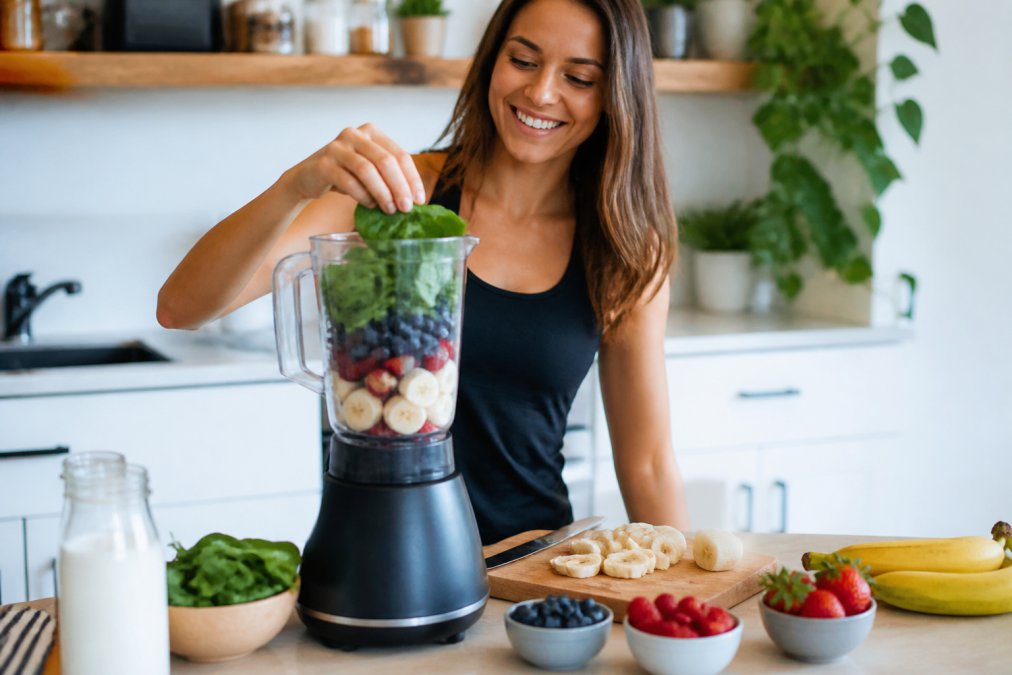
Home preparation gives you complete control over every variable: the produce quality, the sweetness level, the protein source, and the portion size. You eliminate the markup that retail shops add, which means you can afford higher-quality ingredients for less money than you'd spend at a chain.
Start with a base: unsweetened plant-based milk, Greek yogurt, or coconut water. Skip sweetened bases entirely. Add whole fruit, fresh or frozen doesn't matter for nutrition, and frozen is often cheaper and lasts longer. Frozen berries, banana, mango, and pineapple are reliable choices. Add a handful of greens if you want micronutrient density without changing the flavor much; spinach is nearly invisible in a berry smoothie.
Protein powder is optional but useful if you want satiety. Whey isolate mixes smoothly; plant-based options work but sometimes leave a grittier texture. A single scoop is usually enough, more doesn't necessarily mean better. Add-ins like chia seeds, flax seeds, or nut butter add texture and micronutrients but also calories, so measure rather than eyeball.
Sweetness should come from the fruit itself. If you need additional sweetness, use a small amount of honey or maple syrup rather than artificial sweeteners. The goal is to train your palate to enjoy less-sweet drinks; over time, you'll find commercial smoothies taste cloyingly sweet by comparison.
DIY Recipes With Controlled Sugar
Berry Protein Smoothie: 1 cup unsweetened almond milk, 1 cup frozen mixed berries, 1/2 frozen banana, 1 scoop whey isolate, handful of spinach. Blend until smooth. This is approximately 150-180 calories with 20g protein and fiber from the berries and spinach. No added sweeteners needed.
Green Energy Smoothie: 1 cup coconut water, 1 cup fresh spinach, 1/2 frozen banana, 1/2 cup frozen mango, 1 tablespoon almond butter. The coconut water adds electrolytes and natural sweetness; the mango provides flavor. Approximately 140-160 calories, naturally sweet, no added sugars.
Açaí-Style Bowl Base: 1/2 cup frozen açaí puree, 1/2 cup Greek yogurt, 1/2 cup unsweetened almond milk. Blend until thick (thicker than a drinkable smoothie). Top with granola, fresh berries, coconut flakes, and a drizzle of honey. This gives you the açaí bowl experience at home with complete control over toppings and portions.
Equipment to Consider
A basic blender is sufficient for most smoothies. High-powered blenders like Ninja or Vitamix make smoother results and handle frozen fruit more easily, but they're an investment. If you're making smoothies regularly, the durability pays off; if you're occasional, a standard blender works fine.
For smoothie bowls specifically, the Ninja CREAMi is designed to turn frozen bases into bowl-textured results. It's not essential, you can make thick smoothies in a regular blender, but it does create a different texture that some people prefer. The trade-off is counter space and another appliance to maintain.
A quality freezer matters more than equipment. You need reliable frozen storage to keep berries, banana, and other bases ready. Batch-prep on weekends by cutting and freezing fruit in portions; this saves time during the week and reduces waste.
| Equipment | Best For | Upfront Cost | Ongoing Cost |
|---|---|---|---|
| Standard blender | Basic smoothies | $30-80 | Minimal |
| High-powered blender (Ninja, Vitamix) | Frequent use, frozen fruit, creamy texture | $100-400 | Minimal |
| Ninja CREAMi | Smoothie bowl texture | $200 | Minimal |
| Juicer (cold-press) | Fresh-pressed juice at home | $300-600 | High (produce cost) |
Nutritional Comparison: What Actually Matters
The real difference between alternatives comes down to three factors: added sugars, nutrient density, and what your body actually absorbs.
A typical commercial smoothie from a chain contains 40-60g of sugar per serving. Some of this comes from fruit, but much comes from syrups, concentrate, and sweetened yogurt. Your body doesn't distinguish between these sources, it's all sugar hitting your bloodstream. Fresh-pressed juice without added sweeteners runs 20-30g of sugar depending on the fruit mix. A home smoothie with whole fruit and no added sweeteners typically contains 15-25g, mostly from the fruit itself.
Fiber content is the difference nobody talks about. Whole-fruit smoothies retain fiber; juice removes it. Fiber slows sugar absorption, which means a slower blood glucose response and longer satiety. This is why a whole-fruit smoothie keeps you full longer than juice, even if the calorie count is similar. Açaí bowls, because they include the whole fruit base, also retain fiber.
Micronutrient density, vitamins, minerals, antioxidants, varies based on freshness and processing. Fresh-pressed juice, consumed within hours of pressing, has maximum micronutrient availability. Commercial smoothies that have sat for even a few hours start losing some heat-sensitive vitamins. Home smoothies with frozen fruit retain most micronutrients because freezing happens immediately after harvest, before degradation occurs.
USDA guidance on nutrient retention in processed foods documents that freezing preserves nutritional quality better than many assume, making frozen fruit a genuinely good choice for home preparation.
The glycemic load, how quickly a drink raises your blood glucose, matters if you're concerned about energy crashes or metabolic health. High-fiber, whole-fruit options have lower glycemic load than juice or concentrate-based drinks. This is why smoothies made with whole fruit and protein outperform commercial blends for sustained energy.
Artificial sweeteners deserve a mention. Many "diet" or "light" smoothies use aspartame, sucralose, or stevia instead of sugar. These reduce calories but don't reduce the sweetness your palate expects. Some research suggests they may affect glucose metabolism and satiety signals, though the evidence is still developing. Whole-fruit sweetness is a simpler choice if you're trying to minimize processed ingredients.
Harvard School of Public Health research on added sugars and metabolic health shows that reducing added sugars correlates with improved energy levels and metabolic markers within 2-4 weeks.
The choice between commercial smoothie chains and alternatives isn't just about what tastes good, it's about what actually serves your body. Roxberry Juice Co. exists because we believe health-conscious customers deserve to know exactly what they're consuming. Our fresh-pressed juices, blended-to-order smoothies, and customizable açaí bowls with signature granola give you complete transparency and control. Whether you're making smoothies at home or choosing a retail option, the principle is the same: prioritize whole ingredients, minimize added sugars, and understand that freshness matters. Download our app to find your nearest Roxberry location and start making choices that align with your actual health goals.
Frequently Asked Questions
Are Jamba Juice smoothies actually healthy?
Many Jamba smoothies contain 40-60 grams of added sugars per serving, often from fruit concentrates and syrups rather than whole fruit. While they provide some vitamins and minerals, the high sugar content can spike blood glucose and undermine satiety. Healthier alternatives use whole fruit, plant-based milk, and protein powder without added sugars or artificial sweeteners, offering better macronutrient balance and sustained energy.
What makes fresh-pressed juice better than blended smoothies?
Fresh-pressed juice retains more micronutrients and antioxidants because it avoids heat exposure during processing. However, pressing removes fiber, which whole-fruit smoothies preserve. For digestive health and sustained fullness, blended smoothies with whole fruit can be beneficial. Fresh-pressed juice works best as a nutrient boost in small portions, not a meal replacement.
How can you tell if a smoothie shop uses real fruit?
Ask about their sourcing and preparation process. Legitimate shops will describe fresh or frozen whole fruit, not concentrates or syrups. Look for visible fruit in the blender, transparent ingredient lists, and willingness to customize without added sweeteners. Clean-label shops display nutritional information and avoid artificial sweeteners, preservatives, and mystery additives.
Are homemade smoothies really cheaper than buying them?
Yes, homemade smoothies using bulk frozen fruit, protein powder, and plant-based milk can be more cost-effective than daily smoothie shop visits. The upfront investment in a blender can pay for itself over time. You also control portion size, sugar content, and macronutrient density.
What should I look for in an açaí bowl to ensure it's actually nutritious?
Choose bowls with a thin açaí base (not sweetened with added sugar), whole-fruit toppings, nuts or seeds for protein and healthy fats, and minimal granola. Check that the base is pure açaí or açaí with minimal added sweetener. Avoid bowls drizzled with honey or sweetened yogurt, which add unnecessary sugar. A balanced bowl should aim for a good balance of protein, sugar, and fiber content from whole toppings.
Frequently Asked Questions
Q: Are Jamba Juice smoothies actually healthy?
Many Jamba smoothies contain 40-60 grams of added sugars per serving, often from fruit concentrates and syrups rather than whole fruit. While they provide some vitamins and minerals, the high sugar content can spike blood glucose and undermine satiety. Healthier alternatives use whole fruit, plant-based milk, and protein powder without added sugars or artificial sweeteners, offering better macronutrient balance and sustained energy.
Q: What makes fresh-pressed juice better than blended smoothies?
Fresh-pressed juice retains more micronutrients and antioxidants because it avoids heat exposure during processing. However, pressing removes fiber, which whole-fruit smoothies preserve. For digestive health and sustained fullness, blended smoothies with whole fruit can be beneficial. Fresh-pressed juice works best as a nutrient boost in small portions, not a meal replacement.
Q: How can you tell if a smoothie shop uses real fruit?
Ask about their sourcing and preparation process. Legitimate shops will describe fresh or frozen whole fruit, not concentrates or syrups. Look for visible fruit in the blender, transparent ingredient lists, and willingness to customize without added sweeteners. Clean-label shops display nutritional information and avoid artificial sweeteners, preservatives, and mystery additives.
Q: Are homemade smoothies really cheaper than buying them?
Yes, homemade smoothies using bulk frozen fruit, protein powder, and plant-based milk can be more cost-effective than daily smoothie shop visits. The upfront investment in a blender can pay for itself over time. You also control portion size, sugar content, and macronutrient density.
Q: What should I look for in an açaí bowl to ensure it's actually nutritious?
Choose bowls with a thin açaí base (not sweetened with added sugar), whole-fruit toppings, nuts or seeds for protein and healthy fats, and minimal granola. Check that the base is pure açaí or açaí with minimal added sweetener. Avoid bowls drizzled with honey or sweetened yogurt, which add unnecessary sugar. A balanced bowl should aim for a good balance of protein, sugar, and fiber content from whole toppings.