 listicle
Foods That Help With Slow Digestion: What to Eat and Why
Last Updated: November 4, 2026
Quick Summary
Foods that help with slow digestion depend on your main symptom, so match choices to bloating, nausea, or constipation rather than following one list. Soft fruits, cooked vegetables, oats, lean proteins, and fermented foods are gentle options, while fried foods and large high-fiber raw portions can make slow digestion worse.
- Start with a half-cup serving of cooked whole grain and add one new fiber source every few days.
- Pair every fiber increase with extra fluid, since fiber without water can harden stool.
- Eat four to six small meals rather than two or three large ones when nausea or early fullness hits.
- Cut carbonated drinks, straws, gum, and large volumes with meals to reduce swallowed air.
- Swap a fried lunch for grilled chicken and a soft-fruit smoothie, then track how you feel for seven days.
Table of Contents
- What Slow Digestion Actually Means
- 1. Oats, Brown Rice, and Whole Grains
- 2. Soft Fruits and Vegetables for Bowel Regularity
- 3. Lean Proteins and Low-Fat Choices
- 4. Fermented Foods That Support Gut Health
- Foods Good for Digestion and Bloating
- Drinks to Help Digestion and Bloating
- Worst Foods for Gut Health When Digestion Is Slow
- Next Steps for a Calmer Gut
- Frequently Asked Questions
What Slow Digestion Actually Means
Slow digestion is the delayed movement of food through the stomach and gut, often described as a sluggish feeling after meals. At Roxberry Juice Co., we hear from customers who feel heavy and bloated long after eating and want foods that help with slow digestion without guesswork. A case study published by the National Institutes of Health found that a patient with chronic digestive distress saw real symptom relief after adding citrus fruits, kiwi, and other whole fruits to their daily routine. That single case is not proof of a cure, but it points to something practical: food choices can change how your gut feels.
Slow Digestion vs. Gastroparesis vs. Constipation
These three terms get used interchangeably, and that causes bad advice. Slow digestion is a general feeling of delayed stomach emptying. Gastroparesis is a diagnosed medical condition where the stomach empties far too slowly, and clinical guidance for it often limits fiber and fat. Constipation is about bowel regularity, not stomach emptying. If you have gastroparesis, high-fiber foods can backfire, which is why the lists below separate the two problems.
1. Oats, Brown Rice, and Whole Grains
Whole grains are a common starting point for bowel regularity, but they can backfire for some people with slow digestion. Oats, brown rice, quinoa, and whole-wheat bread supply dietary fiber that adds bulk and keeps things moving, and research in PMC's dietary guidance on gastric emptying notes that complex carbohydrates like pasta and bread can be part of managing digestion while you monitor fiber and glucose.
The catch is that fiber is not automatically your friend. Fiber adds bulk and slows gastric emptying further, which helps constipation but can worsen early fullness, nausea, and bloating in someone whose stomach is already emptying slowly. That is why the same grain can be helpful for one reader and uncomfortable for another.
How to increase fiber safely
A common pattern most practitioners recommend is to raise fiber gradually rather than all at once. Start with a half-cup serving of a cooked whole grain, not a full bowl, and add one new fiber source every few days rather than several at once. Pair every fiber increase with extra fluid, because fiber without adequate water can harden stool and make constipation worse rather than better.
Watch out: if you have diagnosed or suspected gastroparesis, a high-fiber grain push can increase fullness and discomfort, and clinical guidance for that condition often limits fiber and fat instead of increasing them. In that case, white rice and refined grains during a flare are a reasonable temporary choice, and whole grains should be reintroduced only with professional guidance.
Choosing among the grains
Oats are the gentlest entry point because cooked oatmeal is soft and water-rich. Brown rice and quinoa are firmer and higher in fiber, so they suit someone whose main problem is constipation rather than fullness. Whole-wheat bread varies widely by product, so check the fiber line on the label rather than assuming. If you are planning a whole-grain breakfast, our guide on how to choose the best healthy breakfast for gut health walks through the options.
The realistic expectation is modest: whole grains support regularity over weeks, not minutes, and they are one part of a pattern that includes fluid, meal size, and eating pace.
2. Soft Fruits and Vegetables for Bowel Regularity
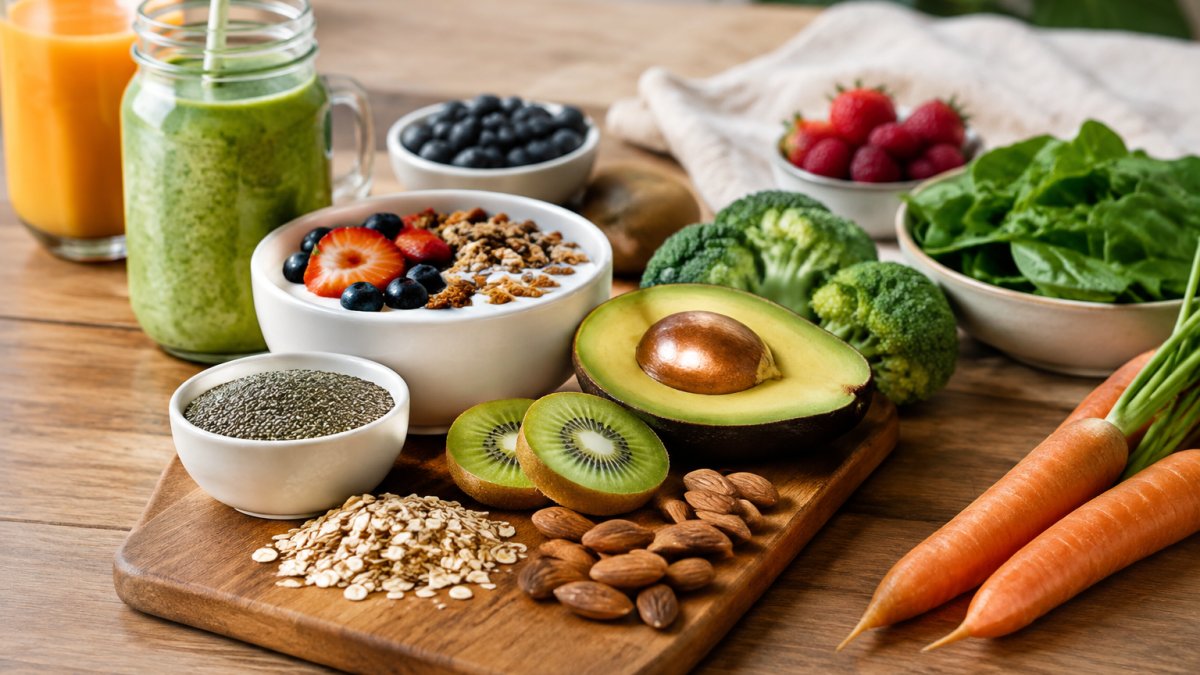
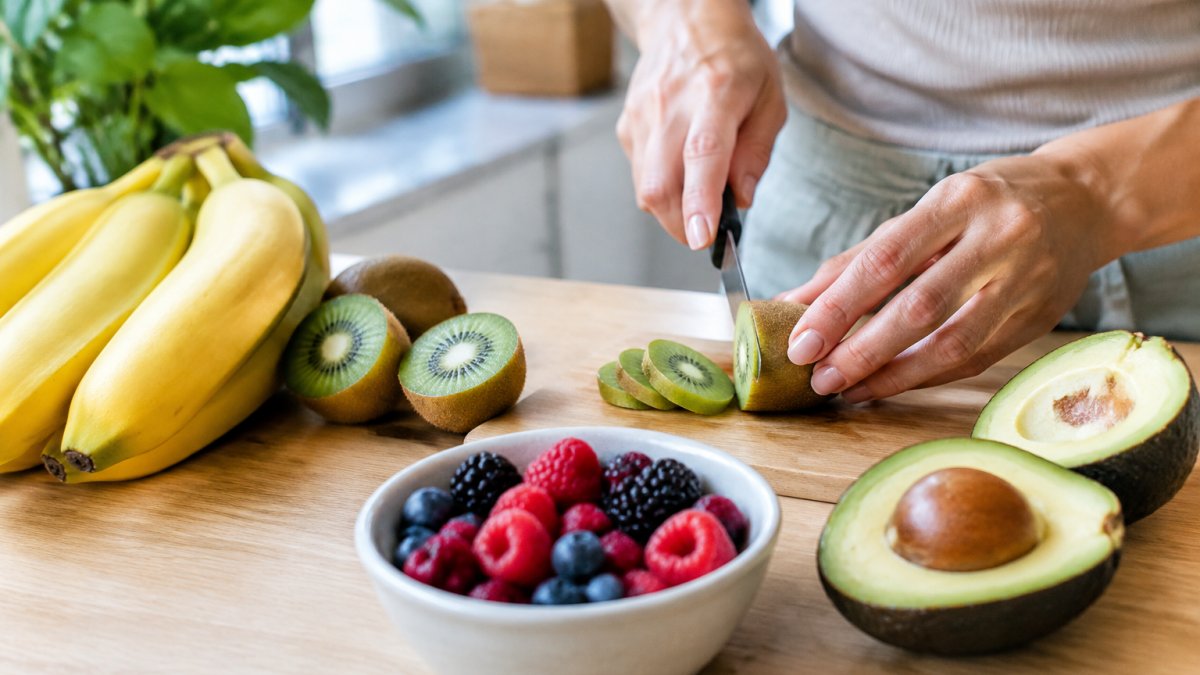
Soft fruits and cooked vegetables do the most work for slow digestion tied to constipation. Bananas, kiwi, avocado, cooked carrots, and leafy greens are gentle on the gut and rich in fiber and water. The NIH case study above highlighted citrus and kiwi specifically. Raw cruciferous vegetables and apple skins are tougher to break down and can trigger gas, so steam them first. A blended smoothie counts as a soft fruit serving and is often easier to tolerate than a whole piece of fruit on an empty stomach.
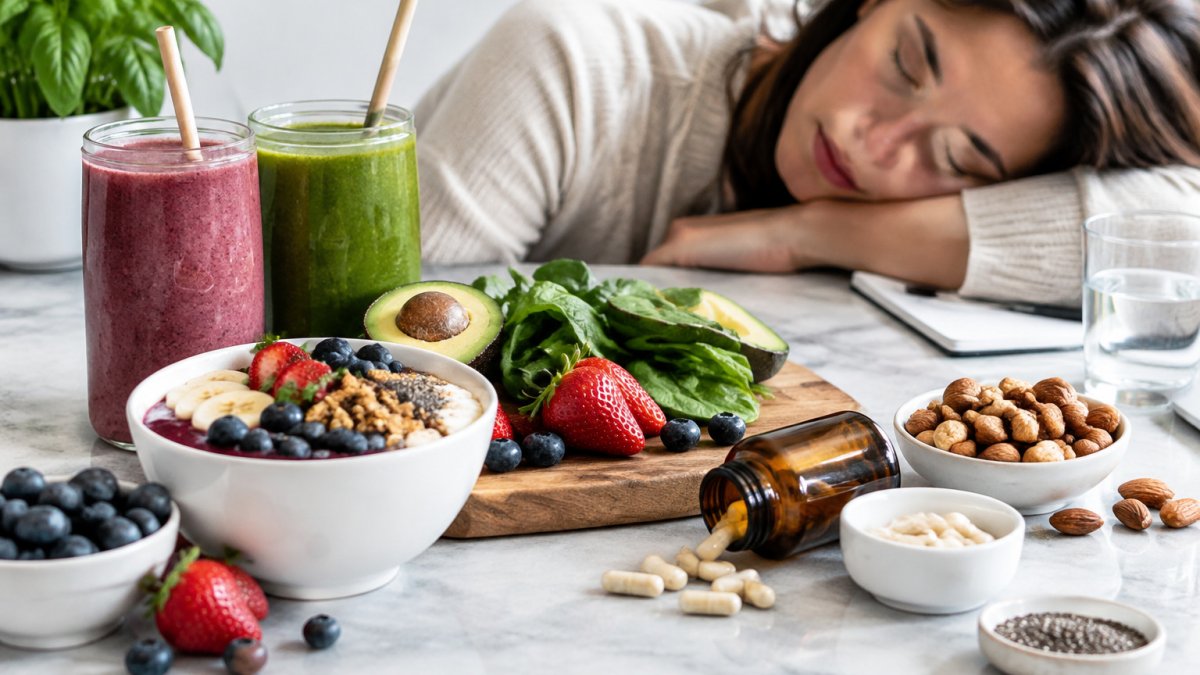
The woman is American.
3. Lean Proteins and Low-Fat Choices
Fat slows stomach emptying, so lean protein is the safer bet when digestion drags. Chicken, turkey, fish, eggs, and low-fat dairy keep meals satisfying without the heavy, greasy load. Fat slows stomach emptying, so keeping fat intake moderate is generally advisable when digestion is slow. Skip fried chicken and creamy sauces. Grilled or poached preparations deliver the same protein with far less fat.
4. Fermented Foods That Support Gut Health
Fermented foods introduce beneficial bacteria that support the gut over time. Kefir, sauerkraut, miso, and tempeh are the ones Johns Hopkins Medicine highlights for microbiome support. Start with a few tablespoons of sauerkraut or a small glass of kefir. For the deeper science, read our article on the benefits of fermented foods for digestion, and if the probiotic-versus-prebiotic distinction confuses you, our breakdown of probiotics vs prebiotics for digestion benefits clears it up.
Foods Good for Digestion and Bloating
The best foods for digestion and bloating depend on which symptom is driving the discomfort, because bloating, nausea, early fullness, and constipation each respond to different choices. A single food list presented as suitable for every kind of slow digestion is the most common mistake in this space. Tailoring your intake to address these specific triggers remains the most effective strategy to relieve chronic bloating and restore consistent digestive function.
If bloating is the main symptom
Bloating often comes from swallowed air, fast eating, and fermentable carbohydrates rather than from a single offending food. Practical choices include oatmeal, ripe bananas, cooked squash, white rice during a flare, lean chicken, and clear broths. Eat smaller meals more often instead of three large ones, because they put less volume in the stomach at once, and chew thoroughly before swallowing.
Watch out: carbonated drinks, straws, chewing gum, and drinking large volumes with meals all increase swallowed air, so cutting them often does more for bloating than changing foods.
If nausea or early fullness is the main symptom
Early fullness is the hallmark of delayed stomach emptying, so the goal is to lower meal volume and fat load rather than to add fiber. Low-fat choices such as skinless chicken, white fish, eggs, low-fat yogurt, cooked carrots, and white rice tend to sit more comfortably than fried or creamy dishes. Cold foods often carry less aroma and are easier to tolerate when nausea is present. Eat four to six small meals rather than two or three large ones, and stay upright for a while after eating instead of lying down.
If constipation is the main symptom
Here the advice flips: fiber and fluid are the tools. Soft fruits, cooked vegetables, oats, and adequate water intake support regularity. The sections below on whole grains and soft fruits cover the specifics, and the fiber-safety guidance in the whole-grains section explains how to add fiber without triggering gas or making fullness worse.
A simple day plan that puts this together
A common pattern that most practitioners find workable looks like this: a small bowl of oatmeal with a ripe banana and a glass of water in the morning; a mid-morning snack of plain low-fat yogurt or a few tablespoons of kefir; a lunch of grilled chicken with cooked carrots and white rice; an afternoon snack of soft fruit or a small smoothie; and an early, smaller dinner of poached fish with cooked vegetables. Sip fluids between meals rather than gulping them during meals, and keep caffeine moderate.
| Symptom pattern | Foods that tend to help | Foods that tend to worsen it |
|---|---|---|
| Bloating | Oatmeal, ripe banana, cooked squash, ginger tea | Carbonated drinks, gum, large volumes with meals |
| Nausea or early fullness | Low-fat chicken, white fish, eggs, white rice, cold foods | Fried foods, cream sauces, large portions |
| Constipation | Soft fruits, cooked vegetables, oats, water | Refined starches with little fluid |
This symptom-first approach is the practical difference between a food list and a plan you can actually follow.
Drinks to Help Digestion and Bloating
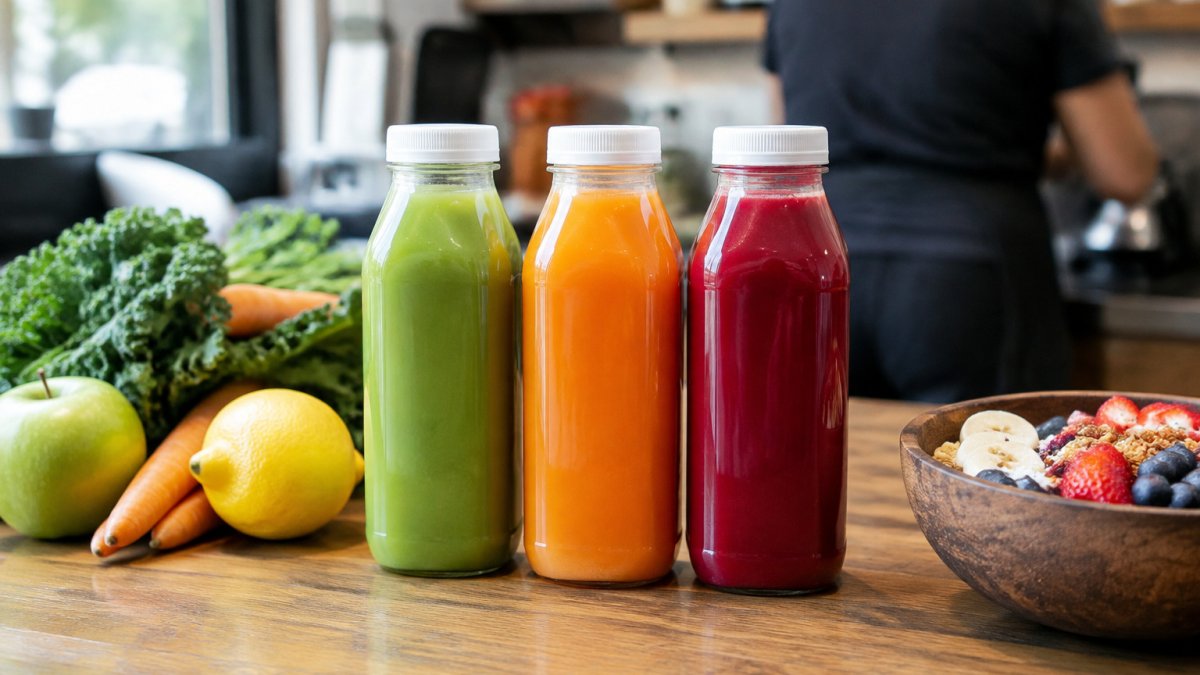
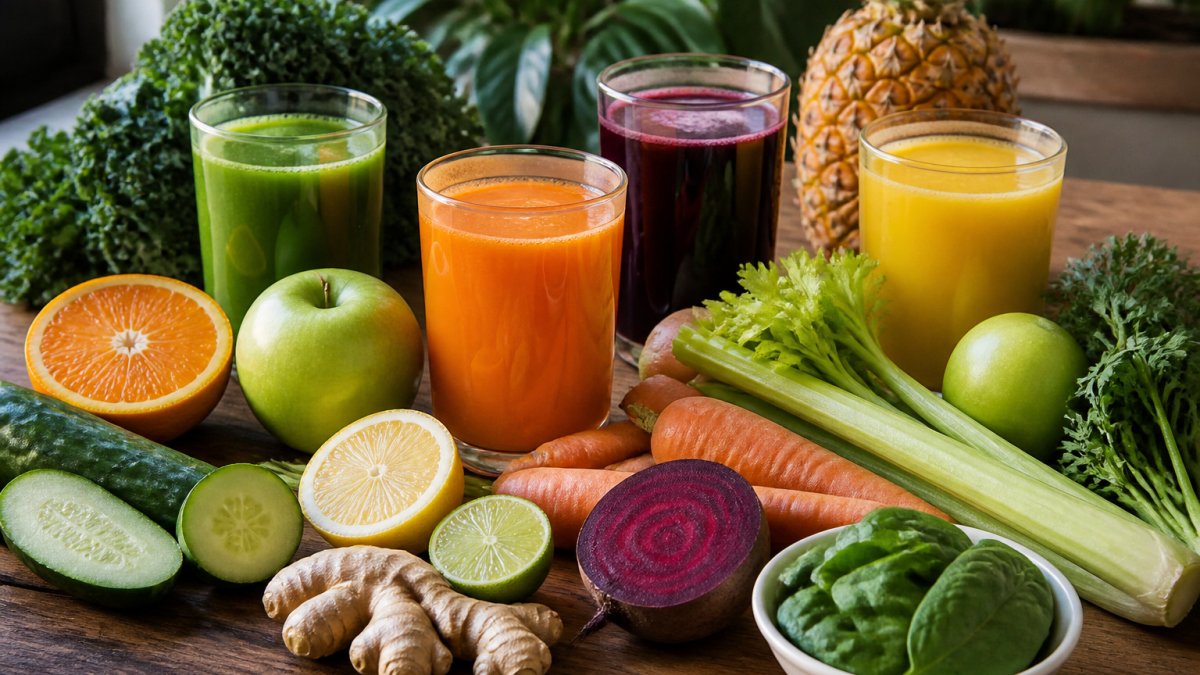
Hydration matters more than most people expect. Water, ginger tea, peppermint tea, and diluted fruit juices keep things moving without adding fat. Carbonated drinks and alcohol make bloating worse, so cut them during a bad stretch. A fresh-pressed juice or smoothie can deliver soft fruit and fluid in one go. Sip slowly rather than gulping, and keep caffeine moderate.
Worst Foods for Gut Health When Digestion Is Slow
The worst offenders are fried foods, greasy takeout, heavy cream sauces, and large portions of high-fiber raw vegetables. For conditions like gastroparesis, clinicians often advise eating less fiber and fat, because both can slow stomach emptying. Carbonated sodas, alcohol, and sugar-heavy snacks add gas and empty calories. If reflux overlaps with your slow digestion, our list of foods to avoid for acid reflux relief is a focused companion. For a broader energy-focused list, see foods to avoid for better energy levels.
| Food Group | Best Choices | Limit or Avoid | Why It Matters |
|---|---|---|---|
| Grains | Oats, brown rice, quinoa | Refined white bread in excess | Fiber supports regularity |
| Fruits | Banana, kiwi, avocado | Unpeeled apples, raw cruciferous | Softer texture is easier |
| Protein | Chicken, fish, eggs | Fried meats, creamy sauces | Fat slows emptying |
| Drinks | Water, ginger tea | Soda, alcohol | Gas and bloat trigger |
Next Steps for a Calmer Gut
Start with one change this week: swap a fried lunch for grilled chicken and a soft-fruit smoothie, then track how you feel for seven days. If symptoms persist or you suspect gastroparesis, see a doctor before overhauling your diet. At Roxberry Juice Co., our 100% natural, fresh-pressed juices, smoothies blended to order, and açaí bowls are made from real fruits and vegetables. Every store is locally owned and operated, and our signature Roxberry Granola is a wholesome topping. Get started with Roxberry Juice Co. and give your gut a gentler, tastier routine.
Frequently Asked Questions
What should I eat if my digestive system is slow?
Start with foods that are easy on the stomach and support regularity: oats, brown rice, whole-wheat bread, soft fruits like bananas and kiwi, and lean proteins such as chicken, turkey, fish, and eggs. Keep fat intake moderate, since fat slows stomach emptying. Add fiber gradually rather than all at once, and drink enough fluids throughout the day. If symptoms persist or worsen, talk to a doctor to rule out conditions like gastroparesis.
Are smoothies and juices effective for sluggish digestion?
They can be, depending on what goes into them. Smoothies made with real fruits and vegetables, like those blended to order at Roxberry Juice Co., include fruit fiber and fluids. Fresh-pressed juices provide hydration and nutrients but usually lack the fiber whole fruit has. If bloating is a concern, keep portions moderate and favor low-fructose fruits like bananas and kiwi over large amounts of apple or pear juice.
What are the best fiber-rich foods for gut motility?
Oats, brown rice, whole-wheat bread, quinoa, lentils, and chickpeas all provide dietary fiber that supports bowel regularity. The key is increasing fiber slowly over a week or two and drinking more water as you do, since a sudden jump can cause gas and bloating. For people with delayed gastric emptying, high-fiber foods can actually slow things further, so medical guidance sometimes recommends eating less fiber instead. Match your fiber intake to your specific symptom pattern.
What foods should I avoid if I have slow digestion?
Limit fried and greasy foods, heavy high-fat meals, and large amounts of refined sugar, since fat slows stomach emptying. For some people, high-fiber foods like raw vegetables and legumes worsen bloating during a flare. Alcohol and excessive caffeine can also irritate the digestive tract. Keep a simple food log for two weeks to spot which items trigger nausea, gas, or bloating for you, then adjust portions rather than cutting entire food groups.