 listicle
Cold-Pressed Juice for Energy: What the Science Supports
Last Updated: November 4, 2026
Quick Summary
Cold pressed juice is made by crushing produce and pressing the pulp, which avoids the heat of centrifugal juicers and is claimed to retain more antioxidants and bioactive compounds. It supports energy through micronutrients such as B vitamins, iron and magnesium, plus a quick carbohydrate source from natural fruit sugars. Because pressing removes most fiber, pairing a cold pressed juice with protein or fat helps steady energy.
- Pressing crushes produce rather than spinning it at high speed, avoiding the heat that can break down vitamins.
- Vitamins C, B6 and B12, folate, iron, magnesium and potassium support the body's metabolism.
- Pressing removes most pulp, so the fiber that slows sugar absorption is largely lost.
- Beets provide dietary nitrates, ginger provides gingerols, and tart cherry provides anthocyanins.
- Read the ingredient order and favor blends where vegetables lead rather than apple or orange.
Table of Contents
- What Makes Cold Pressed Juice Different From Other Juice
- How Cold Pressed Juice Affects Energy Levels
- Cold Pressed Juice vs Smoothie: Which Gives You More Energy?
- Best Cold Pressed Juice Recipes for Energy
- Benefits of Juicing for Mental Clarity and Focus
- Myths About Detox Juice Cleanses and Energy
- Building Cold Pressed Juice Into Your Daily Routine
- Frequently Asked Questions
What Makes Cold Pressed Juice Different From Other Juice
Cold-pressed juice is extracted by crushing produce and pressing the pulp, rather than spinning it at high speed. The process avoids the heat that centrifugal juicers can generate. Study on antioxidant and bioactive compound levels in cold-pressed juices versus centrifuged juices reports that cold-pressed juices are claimed to retain higher levels of antioxidants and bioactive compounds than normally centrifuged ones.
At Roxberry Juice Co., our juices are 100% natural and fresh-pressed from real fruits and vegetables. That matters because the extraction method shapes what ends up in the glass.
Heat-free processing is the main difference. Heat can break down some vitamins and minerals.
How Cold Pressed Juice Affects Energy Levels
Cold-pressed juice supports energy through two separate pathways, and understanding both explains why a glass can either steady you or send you into a mid-morning slump.
The first pathway is micronutrient supply. Vitamins C, B6 and B12, folate, iron, magnesium and potassium are nutrients the body uses in metabolism. The second pathway is carbohydrate delivery. The natural sugars in fruit and some vegetables, glucose, fructose and sucrose, are a quick source of carbohydrate.
The problem is what happens next. Pressing removes most of the pulp, so the fiber that would normally slow sugar absorption is largely gone.
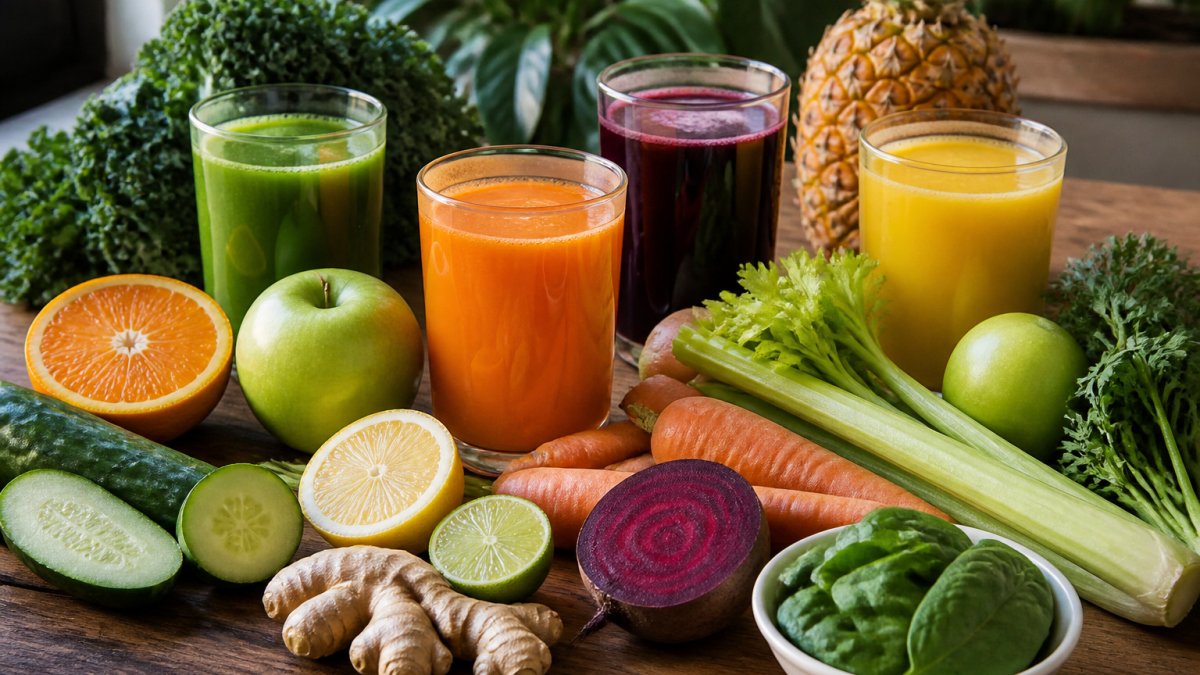
Specific compounds matter more than the generic "vitamins" label. Beets contain dietary nitrates, and ginger contains gingerols. Tart cherry and dark berries contain anthocyanins, and leafy greens contain chlorophyll and folate.
Juice is liquid and low in fiber, so it is typically absorbed more quickly than the same produce eaten whole.
Watch out: a juice marketed as "energy-boosting" is often mostly apple or orange juice with a small amount of greens. Read the ingredient order, the first ingredient is the largest by weight, and favor blends where vegetables lead.
Pairing the juice with a source of protein or fat, such as a handful of nuts, a spoon of Greek yogurt, or an egg, is a sensible way to balance a snack.
The article breaks down the two pathways through which juice supports energy, along with the specific compounds involved.
| Pathway or compound | Source | Role for energy |
|---|---|---|
| Micronutrient supply | Vitamins C, B6, B12, folate, iron, magnesium, potassium | Used in the body's metabolism |
| Carbohydrate delivery | Glucose, fructose, sucrose in fruit and some vegetables | Quick source of carbohydrate |
| Dietary nitrates | Beets | Specific compound named in the article |
| Gingerols | Ginger | Specific compound named in the article |
| Anthocyanins | Tart cherry, dark berries | Specific compound named in the article |
| Chlorophyll and folate | Leafy greens | Specific compounds named in the article |
Cold Pressed Juice vs Smoothie: Which Gives You More Energy?
A smoothie blends the whole fruit or vegetable, so it keeps its fiber. A cold-pressed juice keeps the liquid and most of the micronutrients but leaves the fiber behind. Which one suits you depends on whether you want a light, fast drink or a filling meal.
Nutrient Retention and Fiber Differences
Smoothies retain fiber, which slows sugar absorption and keeps you full longer. Cold-pressed juice concentrates vitamins and minerals into a lighter drink that is easier to finish quickly. Pairing either with protein or fat helps stabilize energy.
Blood Sugar Impact and the Glycemic Load Question
Glycemic load depends on the total sugar and fiber in a serving, not just on the fruit. Juice has less fiber per ounce, so a large glass of fruit-heavy juice can produce a sharper blood sugar response than a smoothie of the same fruit. Choosing vegetable-forward blends and keeping portions moderate reduces that effect. Harvard Health guidance on the calorie and sugar content of juice drinks advises counting the calories in juice even when the ingredients are natural.
Best Cold Pressed Juice Recipes for Energy
Good energy-focused blends pair vegetables with a small amount of fruit. Greens such as spinach and cucumber provide volume with little sugar. Beets, lemon and ginger add flavor and bite. A small apple or orange adds natural sweetness. Keeping fruit modest preserves the blend’s vegetable-forward balance, while botanical supplements for energy offer another way to think about supporting alertness.
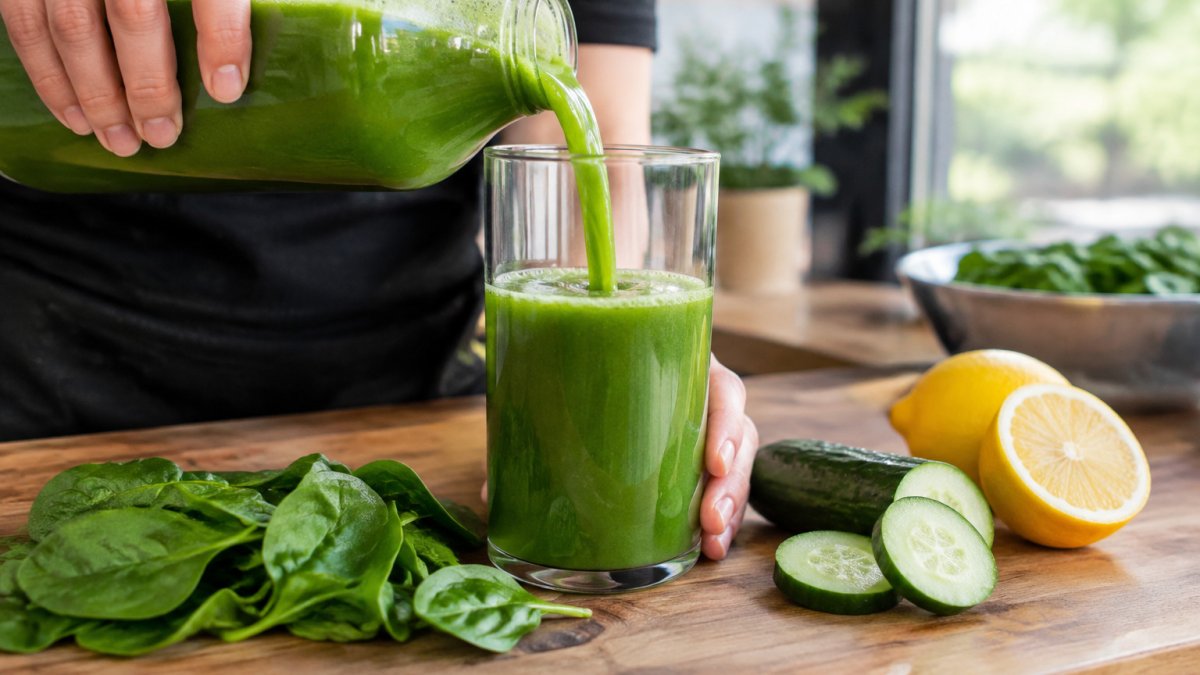
Sweeteners are optional. If you need more sweetness, a little whole fruit is a better choice than added sugar or syrup. Many people also like to pair a juice with a breakfast smoothie for a balanced morning, which gives both quick and sustained energy.
Looking for ideas beyond juice? Our guide on how to make healthy breakfast smoothies for energy covers recipes you can compare side by side.
Benefits of Juicing for Mental Clarity and Focus
Juice can contribute to hydration and intake of vitamins, which are part of a balanced routine.
Juice is one part of a balanced routine.
Myths About Detox Juice Cleanses and Energy
Many juice cleanses claim to remove toxins or boost energy. There is no strong scientific evidence for these specific claims. Mayo Clinic's review of juicing and detox claims notes that the body's liver and kidneys already handle detoxification.
If you feel unwell during any cleanse, stop and talk to a healthcare professional.
Building Cold Pressed Juice Into Your Daily Routine
When you drink juice matters almost as much as what is in it. A timing framework, built around when your body is most insulin-sensitive and when you need fuel, turns juice from a random health purchase into a tool.
Morning: A vegetable-forward juice with a small amount of fruit can be paired with a protein source such as eggs, Greek yogurt, or a handful of almonds. A green juice with cucumber, celery, spinach, lemon and a quarter of an apple is one example.
Pre-workout: A beet-based juice is one option before exercise. Keep the serving moderate and avoid loading it with high-sugar fruit right before training.
Mid-afternoon: A small vegetable juice with ginger is one option for an afternoon snack. Keep the portion small and pair with a protein snack if you are hungry.
Evening: If you want something in the evening, a small, low-sugar vegetable juice is one option.
Portion size matters, so check the serving size on any juice and adjust to your own needs. Juice should sit alongside meals and whole produce, not replace them, the fiber, protein and satiety of whole foods are things juice cannot provide. Rotate ingredients across the week so you are not relying on the same three fruits, and favor vegetable-heavy blends over fruit-heavy ones.
Watch out: a fruit-heavy blend is best paired with a protein or fat source, or swapped for a vegetable-dominant blend.
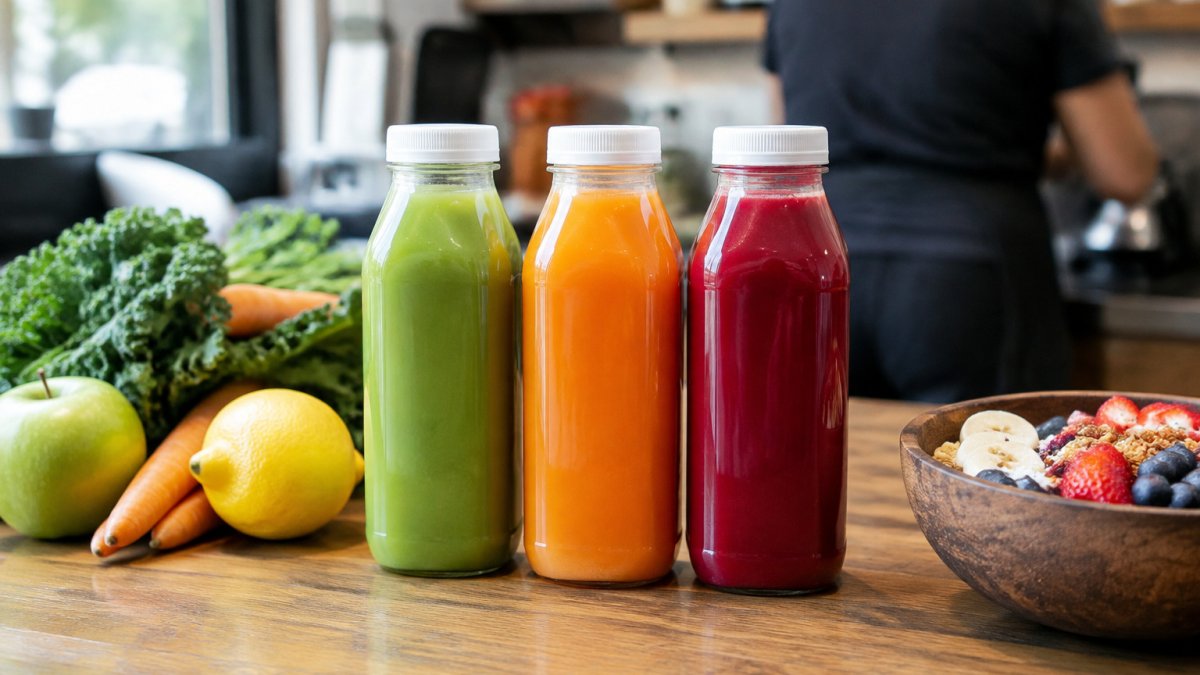
Roxberry Juice Co. offers cold-pressed juices, smoothies and açaí bowls at its locally owned stores. You can find a Roxberry location near you and see which drinks fit your routine. To learn more about the business behind the brand, read how to start your own juice bar business.
Frequently Asked Questions
Is it good to drink cold pressed juice daily?
Daily cold pressed juice can fit into a balanced diet alongside whole fruits and vegetables. Juice removes most of the fiber, so the sugar from fruit hits your bloodstream faster than it would from eating the whole fruit. Choosing vegetable-forward blends and keeping an eye on portion size can help you manage sugar intake.
Which cold pressed juice is best for fatigue?
Juices built around leafy greens, cucumber, celery, and lemon tend to be lower in sugar and contain nutrients such as vitamin C and nitrates from beets. Persistent tiredness should be evaluated by a doctor. Pairing juice with a meal is one way to balance your intake.
What is the difference between cold pressed juice and a smoothie for energy?
Cold pressed juice contains the liquid and micronutrients from produce but little fiber, so it digests quickly and can deliver a faster sugar rise. Smoothies keep the pulp, which adds fiber to the drink. A vegetable-heavy cold pressed juice is lighter than a smoothie.
Can cold pressed juice help improve mental clarity and focus?
Cold pressed juice contributes to hydration and micronutrient intake. Dehydration is a common cause of poor concentration.
Want fresh, transparent juice without the guesswork? Visit Roxberry Juice Co. for drinks made from real fruits and vegetables, and download our app to order ahead.