 listicle
Best Healthy Smoothie Bar Options in 2026
Table of Contents
- Quick Comparison: Top Healthy Smoothie Bar Options
- Roxberry Juice Co.: Fresh-Pressed Juices and Blended Smoothies
- Pressed Juicery: Cold-Pressed Wellness and Superfood Bowls
- Smoothie King: Purpose-Driven Blends for Fitness Goals
- Low Sugar Smoothie Options and Customization
- Dairy Free Smoothie Recipes and Healthy Alternatives
- Benefits of Fresh Pressed Juice and Nutrient Retention
- How to Choose the Right Smoothie Bar for Your Lifestyle
- Frequently Asked Questions
Last Updated: August 26, 2026
Best Healthy Smoothie Bar Options in 2026
Finding a truly healthy smoothie bar has become more challenging as options proliferate. Many establishments market themselves as nutritious while loading drinks with added sugars, artificial ingredients, and empty calories. The difference between a genuinely health-conscious smoothie bar and a glorified dessert stand often comes down to ingredient sourcing, preparation methods, and transparency about nutritional content.
This guide from Roxberry Juice Co. breaks down the best healthy smoothie bar options available today, examining what separates legitimately nourishing choices from marketing hype. Whether you're seeking fresh-pressed juices, plant-based smoothies, or nutrient-dense açaí bowls, understanding what to look for will help you make choices that actually support your health goals rather than undermine them.
Quick Comparison: Top Healthy Smoothie Bar Options
| Smoothie Bar | Standout Feature | Best For | Key Ingredient Focus |
|---|---|---|---|
| Roxberry Juice Co. | 100% natural, fresh-pressed juices and blended smoothies | Health-conscious individuals seeking transparent, locally-sourced options | Real fruits, vegetables, signature granola |
| Pressed Juicery | Cold-pressed juices and functional superfood bowls | Consumers prioritizing nutrient density and plant-based wellness | Organic, no added sugars |
| Smoothie King | Purpose-driven blends for specific fitness goals | Fitness enthusiasts with targeted health objectives | Real fruits with nutritional enhancers |
| Daily Harvest | Convenient pre-portioned, organic frozen smoothie cups | Busy professionals wanting quality ingredients at home | 100% organic, plant-based |
Roxberry Juice Co.: Fresh-Pressed Juices and Blended Smoothies
Roxberry Juice Co. stands apart in a crowded market because it commits to genuine transparency about what goes into every drink. Every juice is fresh-pressed, every smoothie is blended to order, and every ingredient is sourced with intention. This isn't a chain that prioritizes speed over substance, it's a locally owned operation built on the principle that health-conscious customers deserve to know exactly what they're consuming.
The fresh-pressed juice offerings represent the core of what makes Roxberry different. Rather than pre-made juices sitting in coolers, fresh-pressed means the extraction happens when you order, preserving enzymes and nutrients that oxidize quickly once juice is exposed to air. For customers concerned about whether juice cleanses actually deliver digestive benefits, this matters. A juice that's been pressed hours earlier has already begun nutrient degradation. The real difference between Roxberry's approach and competitors becomes apparent when you understand that nutrient retention directly correlates with how recently the juice was pressed.

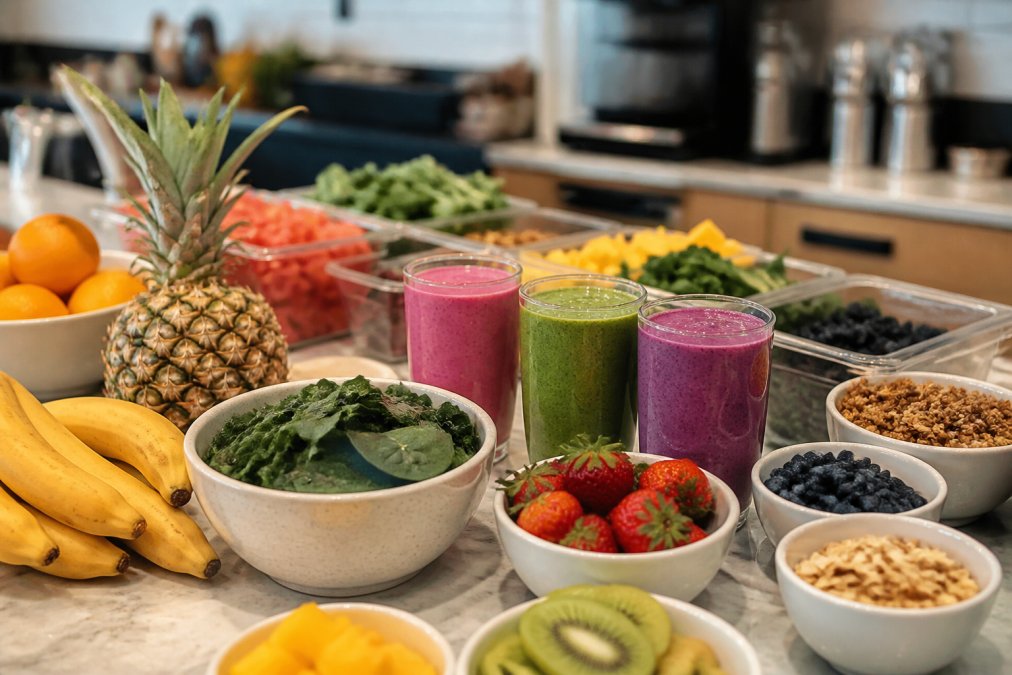
The smoothie program offers genuine customization. You're not selecting from pre-made combinations, your smoothie is blended to order with real fruits and vegetables, not powders or syrups. This distinction matters for parents concerned about sugar content in seemingly healthy drinks. A blended smoothie made from whole fruit naturally contains fiber, which slows sugar absorption and provides satiety that pure juice cannot. Roxberry's approach acknowledges this difference and builds menu options that reflect it.
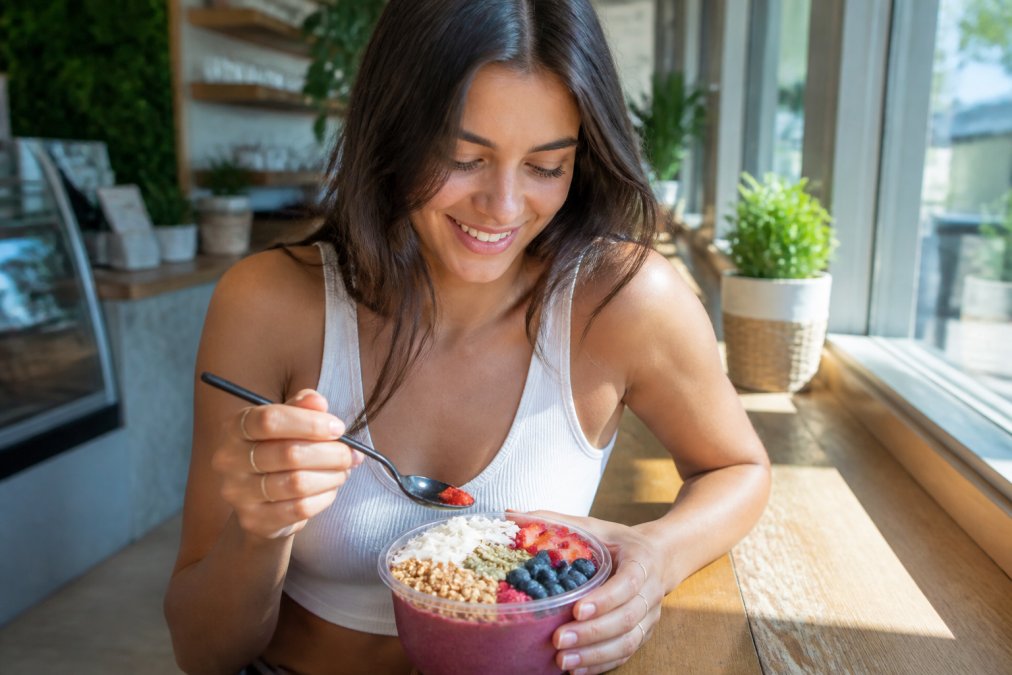
The açaí bowls topped with signature Roxberry Granola address a common objection: that smoothie bars offer limited options for those seeking texture and satiety. A bowl provides the nutrient density of a smoothie with the satisfaction of a more substantial meal. The granola isn't an afterthought, it's formulated to complement the bowl's nutritional profile rather than undermine it with excessive sugar.
Pressed Juicery: Cold-Pressed Wellness and Superfood Bowls
Cold-pressed juices use a different extraction method than centrifugal juicing, applying hydraulic pressure that generates less heat and oxidation. This means higher nutrient density and longer shelf life compared to fresh-pressed alternatives. The distinction matters if your primary goal is maximizing nutrient intake rather than consuming juice immediately after pressing.
Pressed Juicery's menu emphasizes functional benefits through specific superfood combinations. Rather than generic "green juice," they offer blends targeting immunity, digestion, or energy with identifiable ingredients. This approach appeals to customers who want to understand the nutritional logic behind their drink choice rather than simply trusting that it's healthy because it's green.
The plant-based smoothies and bowls avoid dairy entirely, addressing the substantial market of customers with lactose intolerance, dairy sensitivities, or ethical preferences against animal products. Many smoothie bars treat non-dairy options as an afterthought, Pressed Juicery integrates them as core menu items with the same attention to ingredient quality as their juice offerings.

The wellness shot offerings, concentrated doses of ingredients like turmeric, ginger, or adaptogens, serve customers seeking targeted nutritional support. These aren't meal replacements; they're supplements designed to complement a broader wellness routine. Customers appreciate the transparency about what each shot targets, reducing the sense that they're paying for marketing rather than measurable benefit.
Smoothie King: Purpose-Driven Blends for Fitness Goals
Smoothie King's positioning around fitness-specific blends addresses a real gap: most smoothie bars don't explicitly acknowledge that nutritional needs vary based on activity level and fitness goals. A post-workout recovery drink requires different macronutrient ratios than a breakfast smoothie or a pre-workout energizer.
The menu categorizes blends by purpose, "Get Fit Blends" for weight management, "Feel Energized Blends" for sustained energy, rather than relying on customers to decode nutritional labels themselves. This structure helps fitness enthusiasts make informed choices without requiring them to be nutrition experts. For athletes and serious gym-goers, this purposefulness resonates more than a generic "healthy smoothie" label.
The inclusion of real fruits alongside nutritional enhancers represents a middle ground between whole-food purists and convenience seekers. You're getting actual fruit nutrition plus targeted protein or nutrient additions, rather than a drink that's primarily powder-based.
Low Sugar Smoothie Options and Customization
The low-sugar smoothie category has expanded significantly as awareness of added sugars' health impact has grown. Understanding what "low sugar" actually means separates genuine nutritional choices from marketing language.
A legitimately low-sugar smoothie prioritizes whole fruits with lower glycemic indices, berries rather than tropical fruits like mango or pineapple, which concentrate natural sugars. It emphasizes protein and healthy fats, which slow sugar absorption and provide satiety. It avoids sweetened yogurts, honey, agave, or syrups that manufacturers add to compensate for the lack of sweetness from whole fruits.
Customization becomes essential for low-sugar goals. You need the ability to request specific fruits, control portion sizes, and add protein without relying on pre-made blends. Roxberry's made-to-order smoothie approach enables this flexibility, you can specify berry-forward combinations, request extra nuts or seeds for fat content, and skip sweeteners entirely. This level of control isn't available at chains that rely on pre-batched recipes.
Many parents ask whether juice cleanses actually help with digestive issues like IBS. The answer requires nuance. A juice fast, consuming only juice for days, can actually stress digestion in sensitive systems by providing concentrated sugars and fiber without solid food. However, including fresh-pressed juices as part of a balanced diet may support digestive health through enzymes and nutrient density. The key distinction: juice as a supplement to whole foods differs fundamentally from juice as a meal replacement for someone with compromised digestion.
Dairy Free Smoothie Recipes and Healthy Alternatives
The dairy-free smoothie market has evolved beyond simple almond milk substitutions. Modern healthy smoothie bar options recognize that plant-based doesn't automatically mean low-nutrient or thin-tasting. healthy electrolyte drinks.
Quality dairy-free alternatives matter significantly. Coconut milk provides fat content and richness that many almond milks lack, supporting satiety and nutrient absorption. Oat milk offers creaminess and whole-grain nutrition. Hemp milk delivers complete protein with all amino acids. Rather than defaulting to whatever non-dairy option is cheapest, bars that prioritize health curate their alternatives based on nutritional profile.
Protein sources become critical in dairy-free smoothies, since you're losing the protein that dairy milk provides. Plant-based protein powders work, but whole-food alternatives like hemp hearts, chia seeds, or nut butters provide additional nutrients and fiber. Roxberry's approach to dairy-free options integrates these whole-food protein sources rather than relying solely on isolated powders.
The psychological component matters too. Many people avoiding dairy do so for ethical or environmental reasons, not just digestive comfort. A truly dairy-free smoothie bar acknowledges this by treating plant-based options as equally sophisticated and intentional as dairy-based alternatives, not as a compromise option for customers with "special requests."
Benefits of Fresh Pressed Juice and Nutrient Retention
The science of juice extraction directly impacts nutritional value. Centrifugal juicers, the high-speed spinning kind found in many commercial operations, generate heat through friction (peer-reviewed research). This heat denatures heat-sensitive nutrients like vitamin C and destroys enzymes that support digestion. The oxidation that occurs during high-speed extraction further degrades nutrient content.
Fresh-pressed juices, using hydraulic pressure rather than heat, preserve these nutrients more effectively. The difference becomes measurable: a fresh-pressed juice retains significantly more enzymatic activity and heat-sensitive vitamins than a centrifugal juice of identical ingredients pressed hours earlier.
However, the juice-versus-whole-fruit debate persists for good reason. Whole fruits retain fiber that juice removes. Fiber slows sugar absorption, supports satiety, and feeds beneficial gut bacteria (the NIH). A juice cleanse that removes fiber while concentrating sugars can actually disrupt digestion in sensitive systems, explaining why some people experience headaches or energy crashes during juice fasts. The solution isn't avoiding juice, it's understanding juice as a nutrient supplement rather than a meal replacement, and combining it with whole foods that provide fiber.
Antioxidant content in fresh-pressed juices, compounds like polyphenols from colorful fruits and vegetables, supports cellular health and reduces inflammation. These compounds are heat-sensitive, which is why pressing method matters. A fresh-pressed juice consumed immediately delivers antioxidant benefits that a pre-made juice cannot match.
The nutrient density argument for cold-pressed juices holds merit, but with a caveat: the hydraulic pressure used in cold-pressing still removes fiber, and the shelf life advantage comes at the cost of some enzyme activity. Both methods have legitimate advantages depending on your priorities, immediate maximum enzyme content (fresh-pressed) versus maximum shelf life and nutrient stability (cold-pressed).
How to Choose the Right Smoothie Bar for Your Lifestyle
Choosing a smoothie bar that aligns with your health goals requires evaluating several factors beyond marketing claims.
Transparency about ingredients and sourcing. Ask whether fruits and vegetables are organic, where they source produce, and whether they use added sugars or syrups. A bar that hesitates to answer these questions prioritizes convenience over quality. Roxberry's commitment to transparent sourcing, using real fruits and vegetables rather than concentrates or syrups, reflects a philosophy that customers deserve to know exactly what they're consuming.
Customization capability. Your nutritional needs differ from generic menu items. A bar that accommodates specific requests, extra protein, no added sweeteners, specific fruit combinations, acknowledges this individuality. Made-to-order smoothies offer flexibility that pre-made options cannot match.
Preparation methods that preserve nutrition. Whether you prioritize fresh-pressed enzymatic activity or cold-pressed shelf stability, understand the bar's extraction method and how it affects nutrient retention. Ask about juice pressing timelines if freshness is your concern.
Menu structure that reflects nutritional logic. Does the menu organize around health goals, macronutrient ratios, or ingredient quality? Or does it simply list flavors without nutritional context? Bars that structure menus around purpose, post-workout recovery, sustained energy, digestive support, demonstrate nutritional literacy.
Protein and fat integration. Smoothies built entirely on fruit and liquid lack satiety. Look for bars that integrate nuts, seeds, nut butters, or protein sources as standard menu components rather than premium add-ons. This approach prevents the blood-sugar spike that pure-fruit smoothies can trigger.
Local sourcing and community commitment. Locally owned operations like Roxberry Juice Co. typically maintain higher ingredient standards because their reputation depends on local customer relationships. Chain operations optimize for consistency and cost efficiency, which often means compromising on ingredient quality.
Alignment with your dietary needs. Whether you require dairy-free, low-sugar, high-protein, or specific superfood additions, the bar should accommodate these needs without treating them as special requests. Your regular smoothie bar should be built around serving customers like you, not requiring constant customization.
The most important question: Can you trust what the bar tells you about its ingredients and processes? A smoothie bar's value extends beyond the drink itself, it's about having a reliable source for nutritious options that support your specific health goals without requiring you to become a nutrition expert to decode marketing claims.
Finding the right healthy smoothie bar means prioritizing ingredient transparency, preparation methods that preserve nutrition, and customization that matches your specific health goals. Roxberry Juice Co. delivers on all three through fresh-pressed juices, made-to-order smoothies, and nutrient-dense açaí bowls built from real fruits and vegetables. Download the Roxberry app to explore menu options at your nearest location and start building smoothies that genuinely support your wellness routine.
Frequently Asked Questions
What makes a healthy smoothie bar option stand out from the rest?
The best healthy smoothie bar options prioritize whole food ingredients, transparent sourcing, and minimal added sugar. Look for bars that use fresh-pressed juices, real fruits and vegetables, and offer customization for dietary needs like dairy-free or plant-based preferences. Roxberry Juice Co. stands out by blending smoothies to order with 100% natural ingredients and offering nutrient-dense cleanses designed to improve digestion and energy.
Are low sugar smoothie options actually better for weight management?
Low sugar smoothie options can support weight management when they prioritize protein, fiber, and whole foods over added sugars and syrups. Many healthy smoothie bars now offer low-glycemic blends with chia seeds, hemp hearts, and plant-based protein. Checking the ingredient list and asking about sugar content helps you choose options that stabilize energy levels without blood sugar spikes.
What are the main benefits of fresh pressed juice compared to blended smoothies?
Fresh pressed juice extracts maximum nutrients and antioxidants from whole fruits and vegetables, creating a concentrated dose of vitamins and minerals. Cold-pressed juice retains more heat-sensitive nutrients than heat-pasteurized alternatives. Smoothies, blended with whole ingredients, retain fiber and are more filling. Both offer wellness benefits; fresh pressed juice provides rapid nutrient absorption, while smoothies offer sustained satiety and digestive support.
How can I find dairy free smoothie recipes that are actually nutritious?
Healthy dairy free smoothie options replace milk with plant-based alternatives like almond, oat, or coconut milk while maintaining protein through nuts, seeds, or plant-based protein powder. Look for recipes incorporating chia seeds, hemp hearts, and whole fruits for fiber and nutrients. Many smoothie bars now feature dairy-free options on their menus; Roxberry Juice Co. offers customizable blends that accommodate dairy-free preferences while keeping ingredients transparent and whole-food based.
Why do some smoothie bars charge more than others for similar-looking drinks?
Price differences reflect ingredient quality, sourcing practices, and preparation methods. Bars using organic, cold-pressed, or locally sourced ingredients typically cost more than those using concentrates or pre-made bases. Roxberry Juice Co.'s pricing reflects 100% natural, fresh-pressed juices and real fruits and vegetables blended to order, which requires more labor and premium sourcing than mass-produced alternatives.