 listicle
Best Healthy Smoothies for Kids: 7 Recipes
Table of Contents
- Why Healthy Smoothies Matter for Kids
- Vegetables to Hide in Fruit Smoothies
- 7 Best Healthy Smoothies for Kids
- How to Make Smoothies for Picky Eaters
- Dairy Free Smoothie Recipes Healthy
- Tips for Blending Success
- Conclusion
- Frequently Asked Questions
Last Updated: August 29, 2026
Why Healthy Smoothies Matter for Kids
Getting kids to eat nutrient-dense foods is challenging. Smoothies solve this elegantly, they deliver multiple servings of produce in a form kids enjoy, masking textures and flavors that trigger sensory resistance. Beyond nutrition, smoothies are quick to prepare, portable, and customizable to individual tastes.
The key is understanding what makes a healthy smoothie for kids different from an adult version. Kids need age-appropriate portions, controlled sugar levels, and ingredients supporting growth and development. This guide covers everything you need to create best healthy smoothies for kids that actually work for your family.
Vegetables to Hide in Fruit Smoothies
The most effective strategy for picky eaters is blending vegetables seamlessly into fruit-forward smoothies so kids won't detect them.
Best Vegetables That Blend Seamlessly
Spinach is the gold standard. Its mild flavor disappears completely into fruit smoothies, adding iron, calcium, and fiber without changing taste. Frozen spinach works better than fresh because it blends smoothly and doesn't water down the drink.
Carrots (frozen or cooked) add natural sweetness and silky consistency. Beets contribute earthy sweetness and vibrant color. Zucchini is nearly invisible, adding fiber and nutrients while maintaining texture. Avocado creates creaminess without dairy, adds healthy fats for brain development, and its mild flavor complements both fruit and vegetable combinations.
Avoid strong-flavored vegetables initially, broccoli, cauliflower, and kale are too assertive for kids beginning to accept hidden vegetables. Start with spinach and carrots, then gradually introduce more complex flavors as palates develop.
Flavor Combinations That Work
Spinach pairs perfectly with berries, tropical fruits, and banana. Carrots work with tropical fruits like mango, pineapple, and orange. Beets blend well with berry combinations and chocolate. Avocado combines with chocolate, banana, and berries, creating richness without dairy.
Match vegetable flavor intensity to fruit sweetness: mild vegetables need sweet fruits. This ensures kids enjoy the smoothie while consuming nutrient-dense ingredients they'd normally reject.
7 Best Healthy Smoothies for Kids
These recipes balance nutrition, taste, and kid appeal, each including hidden vegetables, age-appropriate portions, and ingredients supporting healthy development.
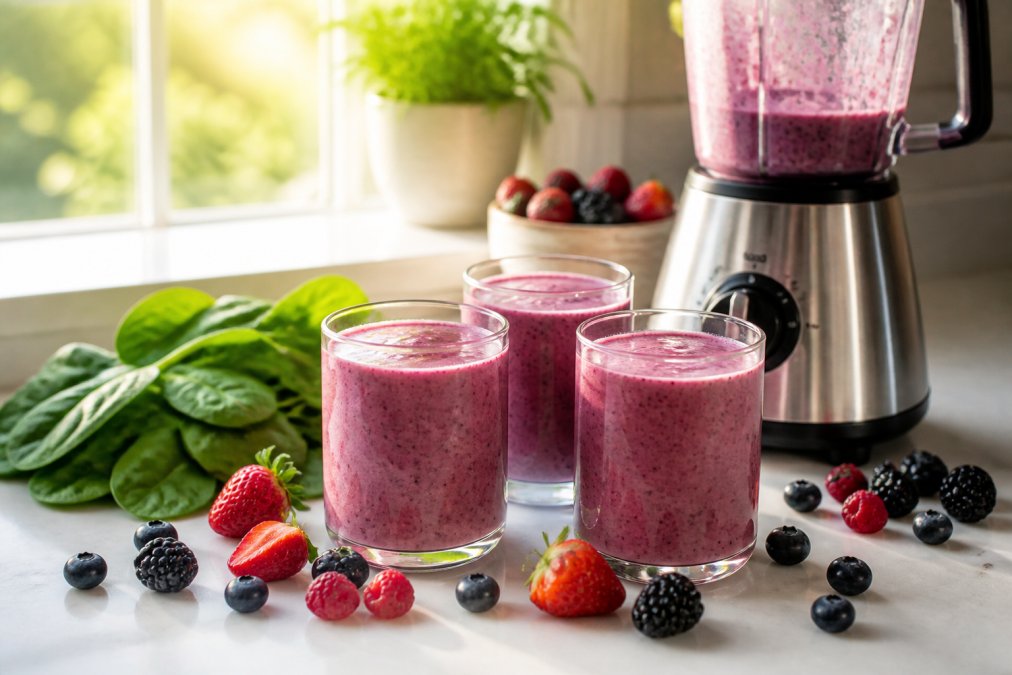
1. Berry Blast with Hidden Spinach
This gateway smoothie introduces hidden vegetables. Berries completely mask spinach's flavor while providing antioxidants and natural sweetness.
Ingredients:
- 1 cup frozen mixed berries
- 1 cup fresh spinach (or ½ cup frozen)
- ½ frozen banana
- ¾ cup unsweetened almond milk
- ¼ cup Greek yogurt (or dairy-free alternative)
- 1 tablespoon almond butter
- 1 teaspoon honey (optional)
Instructions:
- Add liquid and greens to blender first
- Layer remaining ingredients
- Blend on high for 45-60 seconds until smooth
- Serve immediately
Why it works: Berries are naturally sweet and flavorful, completely overpowering green taste. Greek yogurt adds protein and creaminess. This smoothie keeps kids full through the morning while delivering fiber-rich spinach without resistance.
2. Tropical Green Smoothie
Tropical fruits offer natural sweetness while supporting a nutrient-dense base of greens and healthy fats.
Ingredients:
- ¾ cup frozen mango chunks
- ¾ cup frozen pineapple
- 1 cup fresh spinach
- ½ frozen banana
- ¾ cup coconut milk (or unsweetened almond milk)
- 2 tablespoons unsweetened shredded coconut
- 1 tablespoon ground flax seeds
Instructions:
- Pour liquid into blender
- Add frozen fruit and spinach
- Add flax seeds
- Blend until smooth (30-45 seconds)
- Adjust consistency with additional milk if needed
Why it works: Mango and pineapple create strong tropical flavor that makes spinach undetectable. Coconut milk adds richness and healthy fats. Flax seeds provide omega-3 fatty acids crucial for brain development (peer-reviewed research).
3. Creamy Banana-Oat Power Smoothie
This smoothie emphasizes sustained energy through whole grains and protein, perfect for post-school snacks or pre-activity fuel.
Ingredients:
- 1 frozen banana
- ⅓ cup rolled oats
- ¾ cup unsweetened almond milk
- ¼ cup Greek yogurt
- 1 tablespoon natural almond butter
- ½ teaspoon vanilla extract
- Pinch of cinnamon
- 1 teaspoon honey (optional)
Instructions:
- Blend oats into powder first (15 seconds)
- Add milk, yogurt, banana, and remaining ingredients
- Blend until smooth (60 seconds)
- Add more milk if too thick
Why it works: Oats add fiber and natural thickness. The combination of banana, nut butter, and yogurt provides complete protein for muscle recovery. This smoothie keeps kids satisfied for hours.
4. Chocolate Avocado Smoothie
This dairy-free option delivers healthy fats and protein while tasting like a chocolate treat.
Ingredients:
- ½ ripe avocado
- 1 tablespoon unsweetened cocoa powder
- ¾ cup unsweetened almond milk
- ½ frozen banana
- 1 tablespoon almond butter
- 1 teaspoon honey or maple syrup
- ¼ teaspoon vanilla extract
Instructions:
- Add milk to blender first
- Add avocado, banana, cocoa powder, nut butter, and sweetener
- Blend until smooth (60 seconds)
- Serve immediately
Why it works: Avocado creates richness without dairy, perfect for kids with dairy sensitivities. The chocolate flavor is indulgent while avocado provides monounsaturated fats essential for brain development.
5. Strawberry Beet Smoothie
Beets add natural sweetness and vibrant color while providing iron and antioxidants.
Ingredients:
- 1 cup frozen strawberries
- ½ small cooked beet (or ⅓ cup frozen beet chunks)
- ½ frozen banana
- ¾ cup unsweetened almond milk
- ¼ cup Greek yogurt
- ½ teaspoon honey
Instructions:
- Add milk to blender
- Layer frozen fruit, beet, and yogurt
- Blend until smooth (45-60 seconds)
- Strain through fine mesh if any beet chunks remain
Why it works: Strawberries mask beet's earthiness completely. The natural color appeals to kids visually. Beets provide iron and support healthy digestion (peer-reviewed research).
6. Mango Carrot Smoothie
This smoothie combines two naturally sweet ingredients to create a dessert-like drink while delivering beta-carotene and fiber.
Ingredients:
- 1 cup frozen mango chunks
- ½ cup cooked carrot (or frozen carrot puree)
- ½ frozen banana
- ¾ cup unsweetened almond milk
- 2 tablespoons unsweetened Greek yogurt
- ¼ teaspoon ginger (optional)
Instructions:
- Add milk to blender
- Add frozen mango, carrot, banana, and yogurt
- Add optional ginger
- Blend until smooth (45-60 seconds)
Why it works: Mango's tropical sweetness completely masks carrot flavor. Cooked carrots blend smoothly, creating the right texture for kids while delivering beta-carotene for eye health.
7. Blueberry Chia Seed Smoothie
Blueberries are packed with antioxidants and pair with nearly everything. Chia seeds add fiber and omega-3 fatty acids without affecting taste.
Ingredients:
- 1 cup frozen blueberries
- 1 tablespoon chia seeds
- ½ frozen banana
- ¾ cup unsweetened almond milk
- ¼ cup Greek yogurt
- ½ teaspoon honey
- Squeeze of lemon juice
Instructions:
- Add milk to blender
- Add frozen blueberries, chia seeds, banana, yogurt, honey, and lemon juice
- Blend for 45-60 seconds until smooth
- Let sit 2 minutes before serving
Why it works: Blueberries are nutrient powerhouses with mild flavor. Chia seeds provide soluble fiber that supports digestion and keeps kids full longer.
How to Make Smoothies for Picky Eaters
Picky eaters often have sensory sensitivities to texture, temperature, and flavor intensity. The right approach transforms smoothies from battles into successes.
Texture Adjustments for Sensory Preferences
Some kids resist smoothies because of texture. Over-blending creates an ultra-smooth consistency that feels safer to sensitive kids. Blend for 90 seconds instead of 60 to break down all fiber completely. Straining through fine mesh removes remaining particles, creating the silky texture sensory-sensitive kids need. natural immunity support.
Avoid seeds initially; chia seeds, flax seeds, and hemp seeds can feel gritty. Once kids accept smoothies, gradually introduce seeds as texture variety. Temperature matters for some kids, let smoothies sit 5-10 minutes before serving to picky eaters.
Gradual Introduction Strategies
Introducing smoothies to resistant eaters requires patience. Start with fruit-only smoothies, no vegetables or added ingredients. Once fruit smoothies are accepted, add one vegetable at a time, starting with spinach.
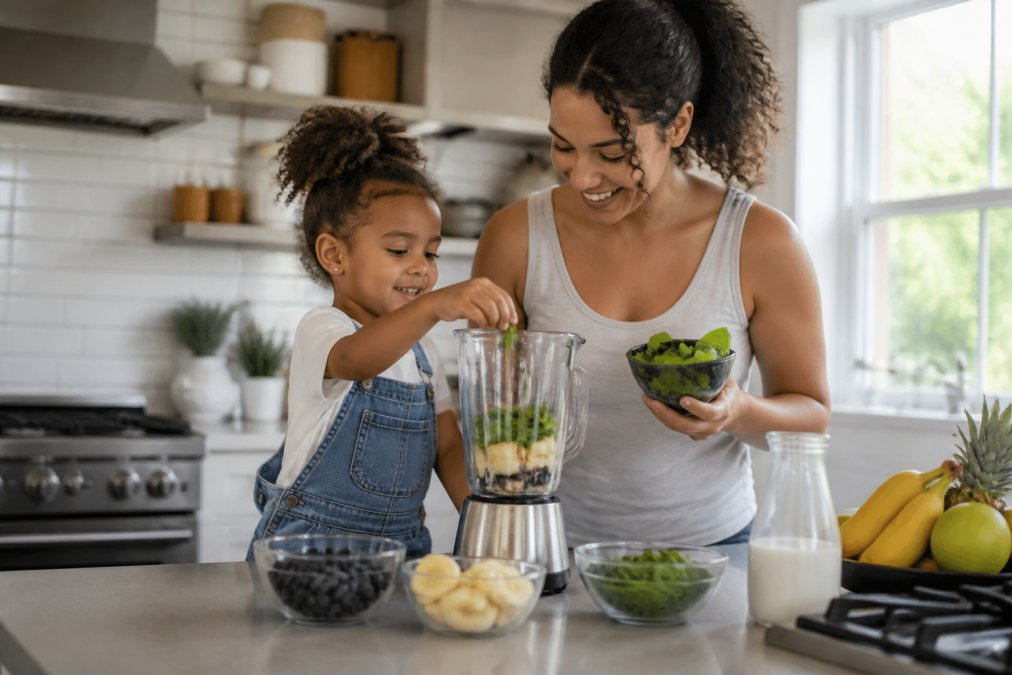
Involve kids in ingredient selection and preparation. When children choose ingredients, they're more likely to accept the final product. Create a "smoothie chart" where kids track which smoothies they've tried, celebrating new acceptances.
Keep portions small initially, 8 ounces instead of 12. As acceptance grows, gradually increase portion sizes.
Dairy Free Smoothie Recipes Healthy
Dairy-free smoothies are essential for kids with lactose intolerance, milk allergies, or vegan preferences. The key is replacing dairy's creaminess with plant-based alternatives that don't compromise nutrition.
Plant-Based Milk Alternatives
Unsweetened almond milk is the most versatile dairy-free option. It's neutral-flavored, widely available, and blends smoothly. Coconut milk (canned, full-fat) creates richness comparable to dairy milk, working especially well in tropical smoothies and chocolate combinations. Oat milk blends smoothly and has natural creaminess, working in any smoothie recipe and particularly good for kids with nut allergies.
Avoid sweetened plant-based milks; they add hidden sugar. Check labels carefully for added sugars.
Protein-Packed Dairy-Free Options
Greek yogurt alternatives made from coconut or cashew provide protein similar to dairy yogurt. Plant-based protein powder adds 15-20 grams of protein per serving without dairy (the FDA). Nut butters (almond, cashew, sunflower seed) provide protein, healthy fats, and creaminess. Chia seeds and hemp seeds add protein, omega-3 fatty acids, and fiber. Silken tofu blended into smoothies adds protein and creaminess while remaining neutral in flavor.
| Dairy-Free Protein Source | Protein per Serving | Best For | Flavor Impact |
|---|---|---|---|
| Greek yogurt alternative | 10-15g | Creaminess and protein | Mild to neutral |
| Plant-based protein powder | 15-20g | Protein boost | Neutral to vanilla |
| Almond butter | 3-4g per tablespoon | Richness and satiety | Mild nutty |
| Chia seeds | 2-3g per tablespoon | Fiber and texture | None |
| Hemp seeds | 2-3g per tablespoon | Complete protein | Mild nutty |
| Silken tofu | 3g per ¼ cup | Creaminess | Neutral |
Tips for Blending Success
Creating smoothies that appeal to kids requires understanding blender technique and preparation strategies.
Getting the Right Consistency
The order of ingredients matters significantly. Add liquid first, then greens, then frozen fruit. This sequence prevents ingredients from sticking to the blender's bottom and ensures complete blending.
Frozen fruit creates the right consistency without requiring ice. Ice dilutes smoothies as it melts, watering down flavor and nutrition. Blend on high speed for 45-60 seconds for most smoothies. If a smoothie is too thick, add milk one tablespoon at a time. If too thin, add frozen fruit or nut butter.
Meal Prep and Batch Blending
Prepare smoothie ingredient packs in advance to save weekday time. Combine frozen fruit, spinach, and other dry ingredients in freezer bags. Label with the date and smoothie name. Ingredient packs stay fresh for up to 3 months in the freezer.
Freeze smoothies in popsicle molds for portable snacks. Invest in a high-powered blender if you're making smoothies regularly, it creates smoother texture, reduces blending time, and handles tough ingredients more effectively.
Conclusion
Creating healthy smoothies for kids that they actually consume requires understanding both nutrition and kid psychology. The smoothies in this guide balance nutrient density with kid appeal, using hidden vegetables and natural sweetness to deliver serious nutrition without resistance.
At Roxberry Juice Co., we've built our entire approach around this principle, using 100% natural ingredients and real fruits and vegetables to create smoothies kids love and parents trust. Our smoothies blended to order let you customize recipes for individual preferences and dietary needs, whether that's dairy-free alternatives, specific vegetable combinations, or adjusted sweetness levels.
Start with one recipe that matches your family's preferences, make it consistently, then expand from there. The investment in smoothie habits now builds lifetime nutrition practices. Download the Roxberry Juice Co. app to explore additional smoothie recipes, locate your nearest store, and discover how fresh-blended smoothies can become part of your family's health routine.
Frequently Asked Questions
What are the healthiest ingredients to include in smoothies for kids?
Focus on nutrient-dense bases like frozen fruit, leafy greens such as spinach, and healthy fats from avocado or nut butters. Add protein through Greek yogurt (or plant-based alternatives for dairy-free options), chia seeds, or flax seeds. Include fiber-rich oats or ground flaxseed. Use unsweetened almond milk or coconut milk to keep added sugars low. Limit natural sweeteners like honey to small amounts, and prioritize whole ingredients over processed additives.
How can I hide vegetables in smoothies for picky eaters?
Pureed vegetables blend seamlessly when paired with naturally sweet fruits like mango, pineapple, or berries. Spinach and zucchini are nearly invisible in fruit-based smoothies. Beets add color and sweetness without a strong vegetable taste. Start with a small amount of hidden vegetables and gradually increase as your child becomes comfortable. Frozen fruit masks vegetable texture better than fresh, and a powerful blender creates a silky consistency that disguises chunks.
Are dairy-free smoothie recipes healthy for kids?
Yes, dairy-free smoothies can be just as healthy when made with nutrient-dense alternatives. Unsweetened almond milk, oat milk, and coconut milk provide hydration without added sugars. Add protein through plant-based yogurt, hemp seeds, chia seeds, or plant-based protein powder. Include healthy fats from avocado, nut butters, or seeds for satiety and brain development. Ensure you're still hitting key nutrients like calcium (fortified plant milks) and omega-3 fatty acids (flax or chia seeds).
Should kids drink smoothies as a meal replacement?
Smoothies work best as a nutrient-dense breakfast or snack when they include protein, healthy fats, and fiber. A balanced smoothie with Greek yogurt, frozen berries, oats, and nut butter can sustain energy for a few hours. However, whole foods offer chewing practice and satiety that liquid meals don't. Use smoothies to increase fruit and vegetable intake, but pair them with solid foods throughout the day. Avoid relying on smoothies as the only source of nutrition, as they're absorbed faster than whole meals.