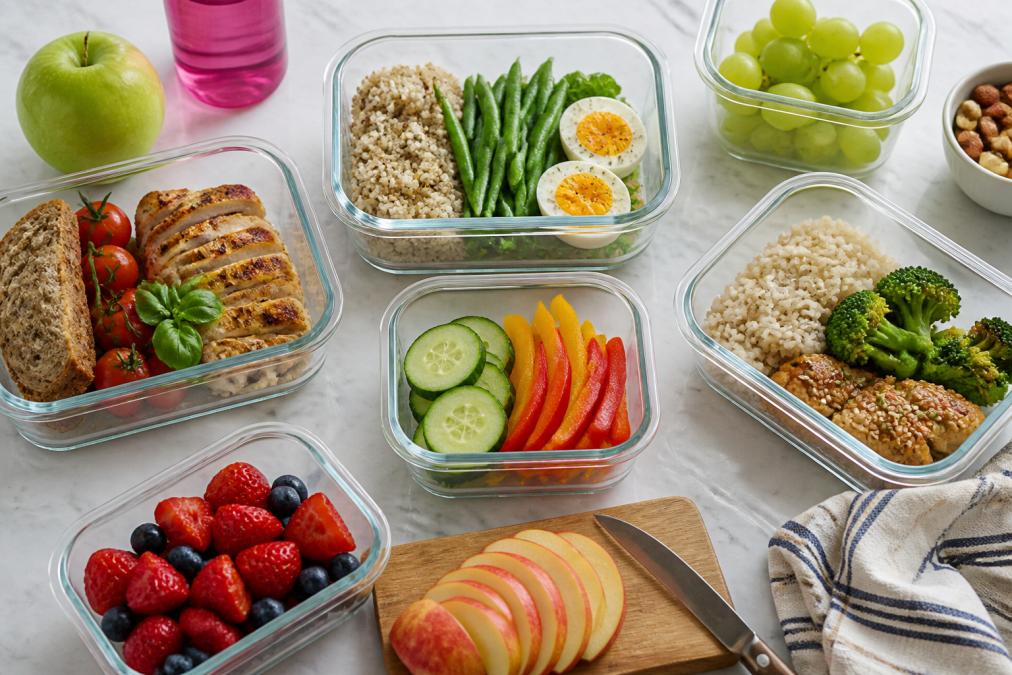
 listicle
Healthy Lunch Options for Work: 25 Ideas
Table of Contents
- Why Your Work Lunch Matters More Than You Think
- Meal Prep Lunch Ideas for Work: Batch Once, Eat All Week
- High-Protein Work Lunches That Prevent the 2 PM Slump
- No-Reheat Lunch Recipes for Office Kitchens Without a Microwave
- Healthy Lunch Meal Prep Containers That Actually Keep Food Fresh
- Budget-Friendly Healthy Lunch Options for Work
- Zero-Waste Packing and Office Storage Tips
- How Roxberry Juice Co. Fits Into Your Healthy Lunch Routine
- Frequently Asked Questions
Last Updated: August 16, 2026
Most people treat their work lunch as an afterthought, a vending machine run or sad desk sandwich grabbed in three minutes. The problem isn't willpower. It's planning. At Roxberry Juice Co., we talk to health-conscious professionals every day who want to eat well at work but hit the same wall: no time, no ideas, and no system. This guide gives you 25 healthy lunch options for work that are practical, nutrient-dense, and designed for real office constraints, including no microwave, no budget, and no energy left for cooking on a Tuesday night.
Quick Picks:
- Best for meal preppers: Grain bowls with a base of quinoa or farro, built Sunday, eaten all week
- Best no-reheat option: Bento-style boxes with hummus, vegetables, hard-boiled eggs, and whole grain crackers
- Best high-protein pick: Turkey or tuna wraps on whole grain tortillas with leafy greens
- Best budget option: Batch-cooked lentil soup portioned into airtight containers
Why Your Work Lunch Matters More Than You Think
A healthy lunch at work is the single biggest lever most professionals have over their afternoon energy, focus, and food choices for the rest of the day. Skip it or eat poorly, and the glycemic rollercoaster kicks in by 2 PM: a spike from refined carbs, followed by a crash that tanks concentration.
According to the Academy of Nutrition and Dietetics resource library, meals that combine lean protein, fiber-rich vegetables, and complex carbohydrates produce steadier energy levels than meals dominated by simple sugars or processed foods. That combination also supports satiety, meaning you stay full longer and avoid mid-afternoon grazing.
Packing your own healthy lunch options for work, even two or three days a week, meaningfully reduces costs while giving you control over ingredients and portion sizes. This guide provides a flexible system: go-to recipes, the right containers, and strategies that make healthy eating at work the path of least resistance.
Meal Prep Lunch Ideas for Work: Batch Once, Eat All Week
Meal prep lunch ideas for work succeed when they solve the right problem: not "what should I eat?" but "how do I make the decision zero-effort on a Wednesday morning?" The answer is batch cooking, preparing components once and assembling meals throughout the week.
The most effective approach is cooking four or five components that mix and match. Roast a sheet pan of vegetables. Cook a big pot of grains. Prepare a protein. Then assemble different combinations daily so you're not eating the same thing five times.
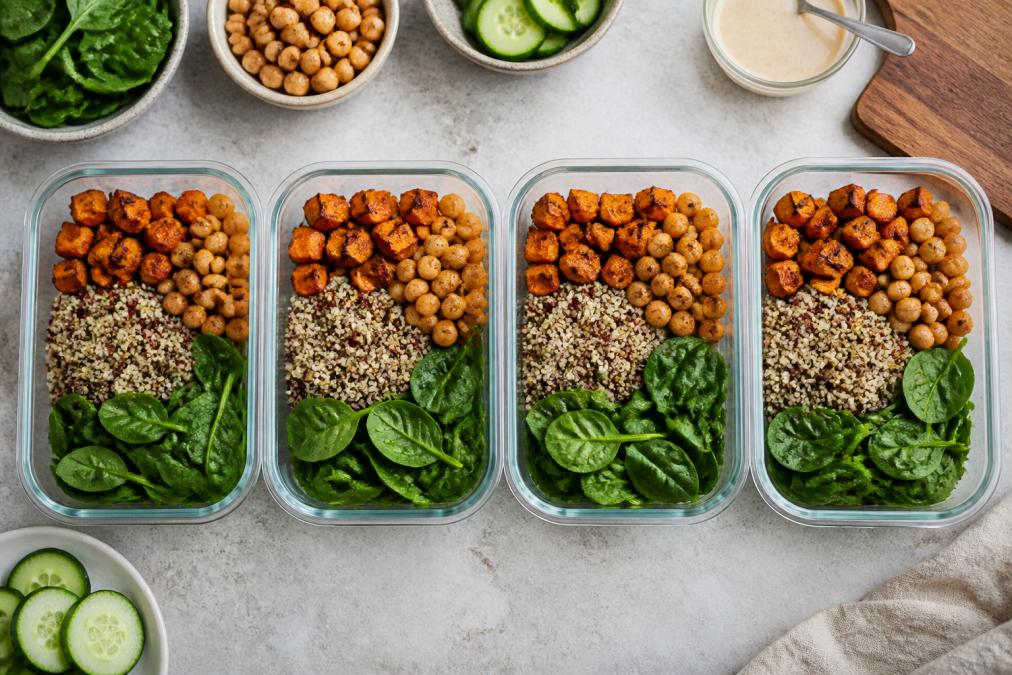
A practical Sunday prep session:
- Cook 2 cups of quinoa or farro (yields 4-5 portions)
- Roast a sheet pan of mixed vegetables: bell peppers, zucchini, broccoli, red onion
- Prepare a protein: bake chicken thighs, hard-boil a dozen eggs, or drain and season canned chickpeas
- Mix a large-batch dressing: olive oil, lemon juice, garlic, and herbs
- Portion into airtight containers, keeping wet ingredients separate until eating
Total active time: roughly 45 minutes. Total lunches produced: four to five.
Grain Bowls You Can Build in 10 Minutes
Healthy grain bowls are the workhorse of any meal prep system. A grain bowl is a balanced, portable lunch built on a base of whole grains topped with protein, vegetables, and a flavorful dressing, assembled in under 10 minutes from prepped components.
The formula is simple:
| Component | Options | Why It Works |
|---|---|---|
| Whole grain base | Quinoa, farro, brown rice, barley | Complex carbohydrates for sustained energy |
| Lean protein | Chicken, tuna, chickpeas, edamame, tofu | Satiety and muscle support |
| Fiber-rich vegetables | Roasted broccoli, spinach, cucumber, beets | Nutrients and volume |
| Healthy fat | Avocado, olive oil, nuts, seeds | Slows digestion, supports focus |
| Flavor layer | Vinaigrette, tahini, miso dressing | Makes it something you actually want to eat |
Macro-friendly grain bowls are easy to adjust for dietary needs. Swap chicken for tofu for a vegetarian version. Use cauliflower rice for a lower-carb option. Add a soft-boiled egg for extra protein without changing the prep.
Salad Recipes That Stay Fresh Until Noon
The biggest complaint about salads as healthy lunch options for work is that they go soggy. The solution is architecture: dressing at the bottom of the container, then hard vegetables (cucumbers, carrots, cherry tomatoes), then grains or protein, then leafy greens on top. When you're ready to eat, shake or toss.
Best salads for work that hold up well:
- Kale Caesar: Kale is sturdier than romaine and doesn't wilt even if lightly dressed the night before. Add shaved parmesan and whole grain croutons packed separately.
- Mediterranean chickpea salad: Chickpeas, cucumber, cherry tomatoes, red onion, kalamata olives, and feta with a lemon-oregano vinaigrette. No heating required, stays fresh for two days.
- Farro and arugula: Nutty farro holds texture well. Toss with arugula, roasted beets, goat cheese, and a balsamic vinaigrette added just before eating.
High-Protein Work Lunches That Prevent the 2 PM Slump
The 2 PM energy crash is not inevitable, it's a direct result of what you ate at noon. High-protein work lunches slow glucose absorption, prevent the blood sugar spike-and-drop cycle, and keep energy levels stable through the afternoon.
According to Harvard T.H. Chan School of Public Health's nutrition source, protein increases satiety and helps regulate appetite hormones. The practical target for most adults is 25-40 grams of protein at lunch.
Protein-Packed Options for Every Diet
For meat eaters:
- Turkey and avocado wrap on a whole grain tortilla with spinach and mustard
- Tuna salad (made with Greek yogurt instead of mayonnaise) on whole grain bread with sliced cucumber
- Baked chicken thighs sliced over a grain bowl with roasted vegetables
For vegetarians:
- Greek yogurt-based dips with lentil crackers and raw vegetables
- Edamame, quinoa, and shredded cabbage bowl with sesame dressing
- Cottage cheese with sliced tomatoes, everything bagel seasoning, and whole grain crackers
For vegans:
- Tempeh stir-fry over brown rice, prepped Sunday and portioned for the week
- Lentil and sweet potato soup in a thermos, one of the most protein-dense, fiber-rich, and cost-effective prep-ahead options available
- Black bean and roasted corn burrito bowl with salsa, avocado, and shredded romaine
No-Reheat Lunch Recipes for Office Kitchens Without a Microwave
Not every office has a microwave, and even when one exists, the line at noon can make reheating impractical. No-reheat lunch recipes are the most underrated category of healthy lunch options for work, and they're often the most satisfying.
The key is thinking beyond sandwiches. Room-temperature and cold meals can be just as nutrient-dense and filling as hot ones when built around whole foods with strong flavors and satisfying textures.
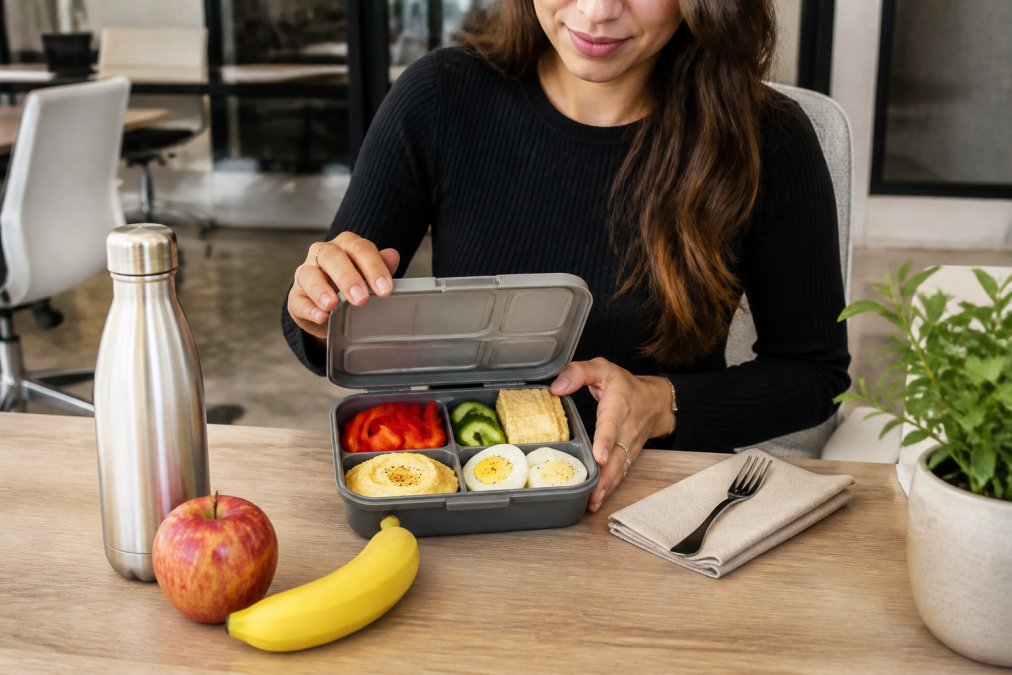
Top no-reheat options:
- Bento-style box: Hummus, sliced vegetables (bell peppers, cucumbers, carrots), hard-boiled eggs, whole grain crackers, and fresh fruit. Balanced, colorful, and zero prep day-of.
- Cold sesame noodle bowl: Soba noodles tossed in peanut-sesame dressing with shredded cabbage, edamame, and sliced scallions. Tastes better cold than hot.
- Caprese and white bean plate: Fresh mozzarella, cherry tomatoes, basil, cannellini beans, and a drizzle of olive oil with balsamic glaze. High in protein, no cooking required.
- Smoked salmon and cucumber roll-ups: Cream cheese or avocado spread on whole grain lavash, topped with smoked salmon, cucumber, and capers. Roll and slice.
- Peanut butter and banana protein box: Natural peanut butter with banana slices, a hard-boiled egg, a handful of almonds, and baby carrots. High satiety, genuinely quick to assemble.
Vegetarian and Vegan Lunches That Need Zero Heating
Plant-based proteins like hummus, nut butters, edamame, and canned legumes are all shelf-stable or refrigerator-ready, making them ideal for office environments.
- Stuffed whole grain pita: Hummus, roasted red peppers (jarred), cucumber, spinach, and kalamata olives
- Avocado and white bean smash on whole grain toast: Prep the smash at home, pack the toast separately, assemble at your desk
- Mango and black bean salsa bowl: Canned black beans rinsed and drained, diced mango, red onion, cilantro, lime juice, and corn over brown rice
- Sunflower seed butter and apple slices with oat energy balls: A lighter option for days when appetite is lower
Healthy Lunch Meal Prep Containers That Actually Keep Food Fresh
The right container makes or breaks a meal prep system. Healthy lunch meal prep containers determine whether your carefully prepped food arrives fresh, separated, and appetizing, or leaks into your bag and ruins your afternoon.
Core requirements: airtight seal, leak-proof construction, and enough compartments to keep wet and dry ingredients separate until you're ready to eat.
| Container | Material | Best For | Key Feature |
|---|---|---|---|
| Black+Blum Meal Prep Boxes | Recycled stainless steel | Eco-conscious users who reheat | Microwave, oven, and freezer safe |
| Sistema Meal Prep Containers | BPA-free plastic | Budget-friendly batch cooking | Stackable, multi-compartment |
| Tupperware Lunch-It Containers | BPA-free plastic | Bento-style portioning | Three-compartment airtight design |
| Arctic Zone Titan Lunch Boxes | Insulated bag | Temperature-sensitive meals | Keeps food cold up to 6-8 hours |
For office workers who carry their lunch in a bag, pairing an insulated lunch bag with an airtight container is the most reliable setup. Glass containers are excellent for freshness but add weight. Stainless steel offers durability and oven-safe reheating for those with access to a toaster oven at work.
Budget-Friendly Healthy Lunch Options for Work
Eating well at work does not require expensive ingredients or a meal delivery subscription. The most cost-effective healthy lunch options for work are built around affordable whole foods: dried or canned legumes, whole grains, eggs, seasonal produce, and pantry staples like olive oil, vinegar, and spices.
According to USDA's MyPlate food guidance system, legumes like lentils and beans are among the most nutrient-dense and affordable protein sources available, providing both protein and dietary fiber in a single ingredient.
Budget meal prep principles:
- Buy grains and legumes in bulk. A large bag of brown rice, lentils, or oats costs a fraction of the per-serving price of packaged foods.
- Use eggs as your primary protein. Hard-boiled eggs are one of the most cost-effective, portable, and protein-rich lunch additions available.
- Rotate seasonal produce. In-season vegetables cost less and taste better.
- Repurpose dinner leftovers. Roasted vegetables, cooked grains, and proteins from dinner translate directly into next-day lunch components with zero additional effort.
- Make your own dressings. A basic vinaigrette of olive oil, vinegar, mustard, and garlic costs pennies per serving and tastes better than bottled alternatives.
A realistic budget-friendly weekly lunch plan might look like: lentil soup on Monday, grain bowl with roasted vegetables Tuesday and Wednesday, egg salad on whole grain bread Thursday, and a bean and rice burrito bowl Friday. Total ingredient cost for five lunches is typically a fraction of buying lunch out even once.
Zero-Waste Packing and Office Storage Tips
Most people don't think about sustainability when packing lunch. Single-use plastic bags, plastic wrap, and disposable containers add up to significant waste over a working year, and they're also less effective at keeping food fresh than reusable alternatives.
Zero-waste lunch packing is a practical upgrade, not a sacrifice. Reusable bento boxes, silicone bags, and insulated containers outperform their disposable counterparts on every functional metric: better seals, better temperature retention, and better durability.
Practical zero-waste swaps:
- Replace plastic wrap with beeswax wraps or silicone stretch lids for covering bowls
- Use a reusable cloth napkin instead of paper towels
- Carry a set of bamboo or stainless steel utensils instead of grabbing plastic ones
- Choose glass or stainless steel containers over single-use plastic bags for snacks
Office storage tips:
Label your containers with your name and the date using masking tape and a marker, it takes five seconds and prevents loss. If refrigerator access is shared and unreliable, insulated bags with ice packs are a more dependable option for keeping food at a safe temperature throughout the day. The USDA food safety guidelines recommend keeping perishable foods at or below 40°F. An insulated bag with a quality ice pack maintains safe food temperatures for up to six hours, enough for a full workday.
How Roxberry Juice Co. Fits Into Your Healthy Lunch Routine
Even the best meal prep system has gaps. Some mornings, there is no time to pack. Some weeks, the plan falls apart by Wednesday. That is exactly where Roxberry Juice Co. fits in, not as a replacement for whole-food lunches, but as a nutrient-dense complement that makes it easier to stay on track when life does not cooperate.
Roxberry Juice Co. offers 100% natural, fresh-pressed juices, smoothies blended to order, and açaí bowls made from real fruits and vegetables, topped with signature Roxberry Granola. Every item is crafted from transparent, whole-food ingredients, no hidden additives, no mystery sweeteners. For busy professionals who need something quick, filling, and genuinely nourishing, an açaí bowl with fresh fruit and Roxberry Granola functions as a complete, balanced meal that supports energy, digestion, and mental clarity without the planning overhead.
The açaí bowls in particular are a strong midday option: fiber-rich, protein-supported by granola and toppings, and built from whole fruits and vegetables that deliver sustained energy rather than a sugar spike. For anyone managing dietary restrictions, dairy-free, gluten-aware, or plant-based, the ingredient transparency at Roxberry Juice Co. means you know exactly what you are eating.
Roxberry Juice Co. is locally owned and operated, which means the freshness commitment is real. Smoothies are blended to order, not sitting in a cooler. Juices are fresh-pressed. Download the Roxberry Juice Co. app to find your nearest location, browse the menu, and make ordering on a busy workday as fast as possible.
| Lunch Type | Prep Time | Best For | Key Nutritional Benefit |
|---|---|---|---|
| Grain bowl | 10 min (from prepped components) | Meal preppers | Complex carbs + lean protein |
| Bento box | 5 min assembly | No-microwave offices | Balanced macros, no heating needed |
| Kale Caesar salad | 10 min | Salad lovers | Fiber-rich, stays fresh all day |
| Lentil soup | 30 min batch cook | Budget-conscious | High protein + fiber, low cost |
| Cold sesame noodle bowl | 15 min | Variety seekers | Satisfying without reheating |
| Turkey avocado wrap | 5 min | High-protein priority | Lean protein + healthy fat |
| Tempeh burrito bowl | 20 min batch cook | Vegans | Complete plant-based protein |
| Roxberry açaí bowl | 0 min (ordered fresh) | No-time days | Nutrient-dense, whole-food ingredients |
Frequently Asked Questions
What is the healthiest thing to eat for lunch at work?
A balanced work lunch combines lean protein, complex carbohydrates, and fiber-rich vegetables. Think a grain bowl with quinoa, grilled chicken or chickpeas, leafy greens, and a light vinaigrette. This combination supports steady energy levels by keeping blood sugar stable throughout the afternoon, reducing the post-lunch crash many office workers experience around 2 PM. Whole foods with minimal processing give you the most nutrient-dense calories per bite.
How do I keep my work lunch fresh until midday?
Use airtight containers and pack dressings separately to prevent soggy greens. An insulated lunch bag with an ice pack maintains safe food temperatures below 40°F, which is the threshold the USDA recommends for food safety. For salads, layer greens on top of heavier ingredients and toss just before eating. Meal prep containers with multiple compartments help keep wet and dry foods apart, preserving texture and freshness from morning prep through your lunch break.
What are the best high-protein work lunches I can prep ahead?
High-protein work lunches that prep well include hard-boiled eggs with whole grain crackers, turkey and hummus wraps, lentil soup portioned into jars, Greek yogurt parfaits, and tuna or salmon over mixed greens. Batch cooking a large portion of a lean protein source on Sunday, such as baked chicken thighs or a pot of lentils, lets you assemble quick, macro-friendly lunches throughout the week without daily cooking.
How can I pack a healthy lunch for work on a budget?
Batch cooking is the most cost-effective strategy. Dried legumes like lentils and chickpeas cost a fraction of packaged proteins and deliver fiber and protein in one ingredient. Building lunches around seasonal fresh produce, shelf-stable grains like brown rice or farro, and one versatile protein stretched across three to four meals keeps weekly grocery costs low. Planning a grocery list before shopping and avoiding pre-cut or individually packaged items cuts costs further.
What are good no-reheat lunch ideas for work?
No-reheat lunch recipes work well when they are built around ingredients that taste good at room temperature or chilled. Good options include mason jar salads with vinaigrette, wraps with lean protein and crunchy vegetables, bento boxes with hummus and raw veggies, cold grain bowls, and protein-rich snack plates with cheese, nuts, and fruit. These are ideal for offices without a microwave or for anyone who wants a quick assembly lunch without waiting in line.
Packing a healthy lunch for work every day is genuinely difficult without a system, and most guides skip the part where they help you build one. Roxberry Juice Co. is here for the days when the system breaks down: fresh-pressed juices, smoothies blended to order, and açaí bowls made from real fruits and vegetables that give you a complete, nourishing meal without the prep. Download the Roxberry Juice Co. app and make one less decision on your next busy workday.