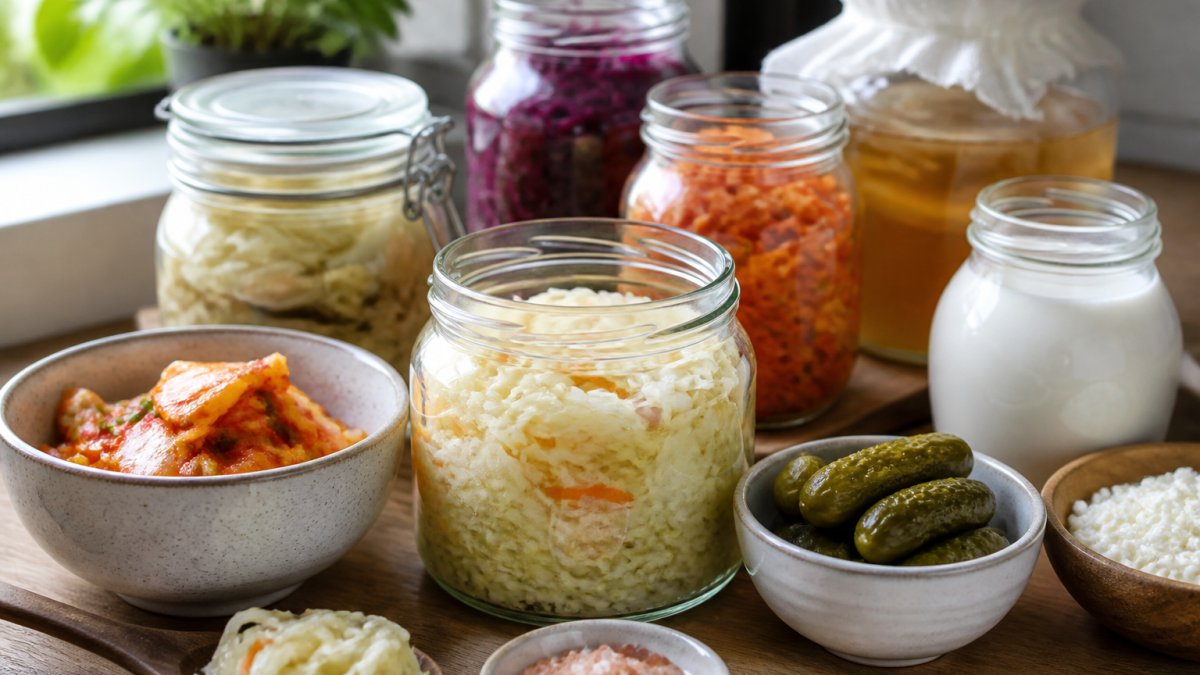
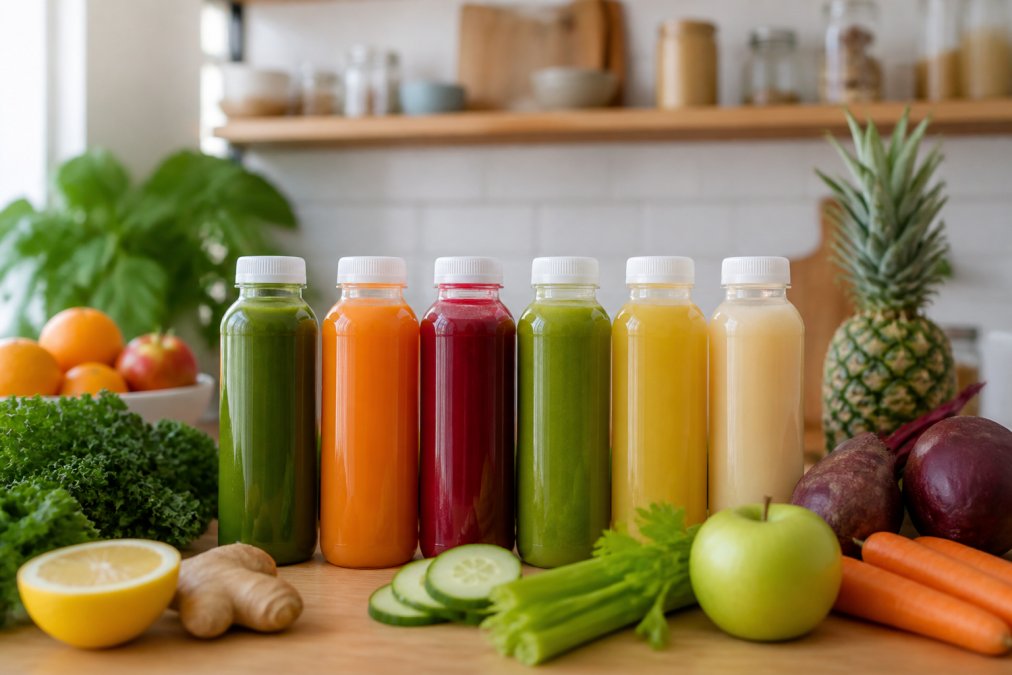
 ultimate-guide
Gut Health Diet Plan for Leaky Gut: Foods and Tips
Table of Contents
- What a Gut Health Diet Plan for Leaky Gut Actually Involves
- Foods to Eat for Leaky Gut: Building a Gut-Supportive Plate
- Foods to Avoid for Leaky Gut: Common Triggers and Sensitivities
- Your 7-Day Gut Health Meal Plan: A Realistic Starting Point
- How to Improve Gut Health Naturally: Daily Habits That Help
- Tracking Symptoms and Knowing When to Seek Medical Care
- Conclusion: Making Your Gut Health Diet Plan Work for You
- Frequently Asked Questions
Last Updated: October 6, 2026
What a Gut Health Diet Plan for Leaky Gut Actually Involves
A gut health diet plan for leaky gut focuses on calming inflammation, supporting the gut barrier, and feeding beneficial bacteria with whole, minimally processed foods.
Intestinal permeability describes how easily substances pass through your digestive tract lining. When it becomes more permeable than it should be, undigested food particles and bacteria can slip into the bloodstream, potentially triggering inflammation and discomfort.
Understanding Intestinal Permeability and the Gut Barrier
Your gut barrier is a single layer of mucus-lined cells that decides what gets absorbed and what stays out. When it weakens, the result is often called a leaky gut.
"Leaky gut" is not a formal diagnosis; it describes increased intestinal permeability, a measurable phenomenon that can accompany several digestive conditions. A doctor can help sort out what's driving your symptoms.
Signs Your Gut May Need Support
Common signs include bloating, gas, irregular bowel habits, fatigue after meals, and food sensitivities that come and go. These overlap with many other conditions, so treat them as a starting point for a conversation with your doctor, not a diagnosis.
- Persistent bloating or gas after meals
- Loose stools, constipation, or alternating between the two
- Feeling tired or foggy after eating
Foods to Eat for Leaky Gut: Building a Gut-Supportive Plate
The most supportive plate combines high-fiber vegetables, fruit, probiotic foods, and prebiotic foods that feed beneficial bacteria.
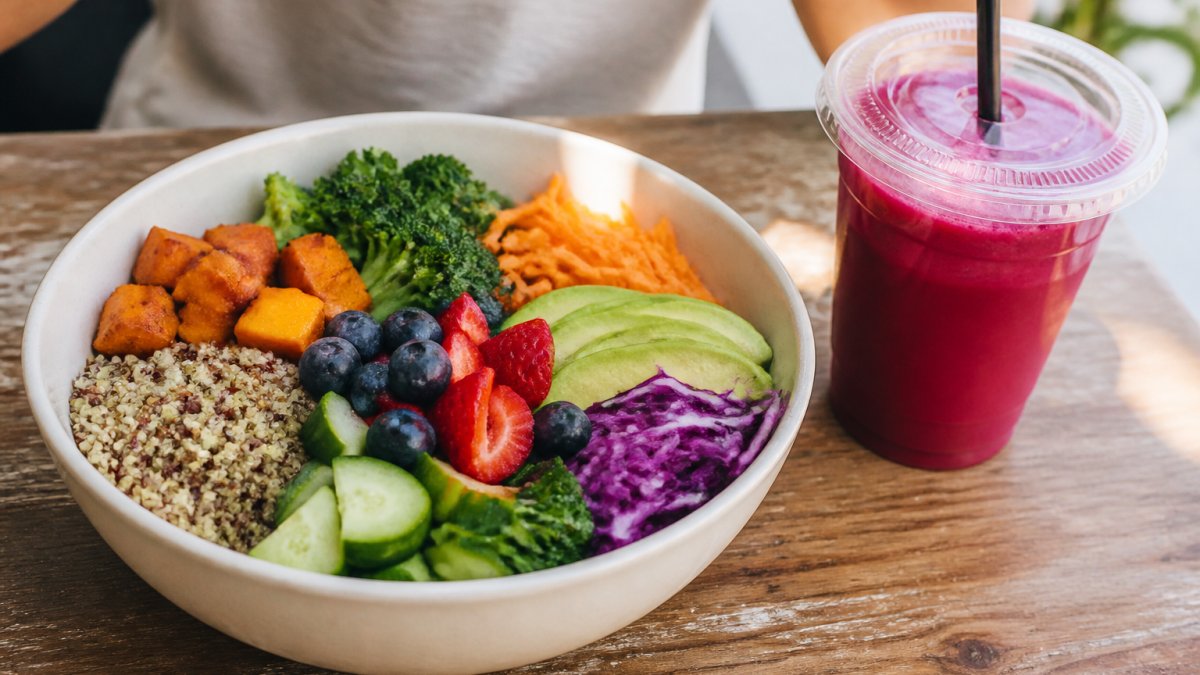
Fiber is the cornerstone. A high-fiber diet feeds the gut microbiome and supports barrier function. Whole seeds like chia and flax add fiber and healthy fats.
Extra virgin olive oil and coconut oil are gentler cooking fats than heavily processed seed oils. A little raw honey can sweeten things without refined sugar.
Foods to Avoid for Leaky Gut: Common Triggers and Sensitivities
The foods most often linked to symptoms are processed foods, excess sugar, and common allergens like gluten, dairy, soy, corn, and certain grains and legumes. Not everyone reacts to all of these, so personalization matters more than a blanket list.
Processed foods and excess sugar promote inflammation and feed less helpful bacteria. For some people, gluten, dairy, soy, corn, and legumes trigger symptoms, and nuts and seeds can be problematic for a subset.
| Category | Examples | Why It May Trigger Symptoms |
|---|---|---|
| Processed foods | Packaged snacks, refined grains | Promote inflammation, low fiber |
| Excess sugar | Soda, candy, sweetened drinks | Feeds less helpful bacteria |
| Gluten | Wheat, barley, rye | Common sensitivity trigger |
| Dairy | Milk, cheese, ice cream | Lactose or casein reactions |
| Soy and corn | Tofu, corn syrup, chips | Frequent sensitivities |
Your 7-Day Gut Health Meal Plan: A Realistic Starting Point
Most plans fail because they're too complicated to repeat. This one follows the same skeleton daily, a protein, a fiber-rich vegetable or fruit, a fermented food, and a healthy fat, while rotating flavors.
How to read this plan: Each day lists breakfast, lunch, dinner, and one snack, written for one serving unless noted. If you're avoiding gluten, dairy, soy, corn, or legumes, use the substitution notes at the end rather than skipping the meal.
Day 1
- Breakfast: 1/2 cup dry rolled oats cooked with 1 cup water or unsweetened almond milk, 1 tablespoon chia seeds, 1 sliced banana, pinch of cinnamon.
- Lunch: 4 oz grilled chicken over 2 cups mixed greens, 1/2 cup roasted carrots, 1 tablespoon extra virgin olive oil, squeeze of lemon.
- Dinner: 5 oz baked salmon with 1 cup steamed broccoli and 1/2 cup cooked quinoa, drizzled with olive oil.
Day 2
- Breakfast: 3/4 cup plain yogurt with 1/2 cup berries, 1 tablespoon ground flax, 1 tablespoon chopped walnuts.
- Lunch: 1.5 cups lentil soup (lentils, carrots, celery, onion, garlic, olive oil, low-sodium broth).
- Dinner: 5 oz baked cod with 1 cup sautéed zucchini in olive oil and 1/2 cup cooked brown rice.
Day 3
- Breakfast: Smoothie with 2 cups spinach, 1 cup frozen mango, 1 tablespoon coconut oil, 1 cup unsweetened almond milk, 1 scoop unflavored protein powder (optional).
- Lunch: 4 oz ground turkey lettuce wraps with shredded carrot, cucumber, and a drizzle of olive oil.
- Dinner: 4 oz tempeh stir-fry with 1 cup broccoli, 1/2 cup bell pepper, 1 tablespoon olive oil, 1/2 cup cooked quinoa.
Day 4
- Breakfast: 2 eggs scrambled with 1 cup sautéed spinach in olive oil, 1 slice gluten-free toast (optional).
- Lunch: Quinoa bowl with 1/2 cup roasted sweet potato, 1/2 cup chickpeas, 2 cups greens, olive oil and lemon.
- Dinner: 1.5 cups chicken and vegetable soup (chicken, carrots, celery, zucchini, low-sodium broth).
Day 5
- Breakfast: Chia pudding, 3 tablespoons chia seeds soaked overnight in 1 cup unsweetened almond milk, topped with 1/2 cup berries.
- Lunch: 4 oz tuna salad (tuna, olive oil, celery, lemon) over 2 cups greens.
- Dinner: 5 oz grilled shrimp with 1 cup roasted asparagus and 1/2 cup cooked quinoa.
Day 6
- Breakfast: 1/2 cup dry rolled oats with 1 tablespoon almond butter and 1/2 sliced banana.
- Lunch: Vegetable and chickpea salad, 1 cup chickpeas, 2 cups mixed greens, cucumber, tomato, olive oil, vinegar.
- Dinner: 5 oz baked chicken with 1 cup green beans and 1/2 cup mashed sweet potato.
Day 7
- Breakfast: Yogurt parfait, 3/4 cup plain yogurt, 1/4 cup berries, 1 tablespoon pumpkin seeds.
- Lunch: Leftover chicken and vegetable soup.
- Dinner: 5 oz baked salmon with 1 cup roasted carrots and 1/2 cup cooked quinoa.
Prep Once, Eat All Week
Set aside 60-90 minutes on a weekend day:
- Cook a large batch of quinoa and brown rice; refrigerate in separate containers.
- Roast a sheet pan of carrots, sweet potato, and broccoli with olive oil and salt.
- Make the lentil soup and chicken vegetable soup; freeze half of each.
- Wash and chop greens; store with a paper towel in a sealed container.
- Portion chia pudding into jars for grab-and-go breakfasts.
Shopping List
- Vegetables: spinach, broccoli, zucchini, carrots, asparagus, green beans, sweet potato, cucumber, tomato, bell pepper, celery, onion, garlic
- Fruit: bananas, berries, mango, apple, pear, orange, lemon
- Proteins: chicken, salmon, cod, shrimp, turkey, eggs, tempeh, lentils, chickpeas, tuna
Keeping the Plan Nutritionally Adequate
If you remove gluten, dairy, soy, corn, or legumes, you can still meet your needs, but replace, don't just subtract.
- If you drop dairy: get calcium from fortified plant milks, canned salmon with bones, almonds, and leafy greens; get protein from eggs, fish, poultry, and legumes if tolerated.
- If you drop gluten: choose oats labeled gluten-free, quinoa, brown rice, and buckwheat; check sauces and seasonings for hidden wheat.
- If you drop legumes: increase protein from eggs, fish, poultry, and if tolerated, quinoa; add fiber from vegetables, fruit, chia, and flax.
Rotate two or three breakfasts and dinners rather than cooking seven different meals, repetition makes it easier to spot which foods help and which don't.
How to Improve Gut Health Naturally: Daily Habits That Help
Improving gut health naturally comes down to consistent habits, not a single fix. Sleep, stress management, hydration, and movement all influence digestion and inflammation.
Eat slowly, chew thoroughly, and stop eating a few hours before bed. Manage stress, since stress hormones affect gut motility and barrier function. Stay hydrated, move daily, limit alcohol, and avoid unnecessary antibiotics, both disrupt the gut microbiome.
Tracking Symptoms and Knowing When to Seek Medical Care
Tracking turns guesswork into data. The goal isn't proving a theory, it's noticing patterns you can act on and giving a clinician something concrete to work with.
A Simple Food and Symptom Diary
Keep one page or one note per day. Record the following columns:
| Time | Food or drink | Amount | Symptom | Severity (0-10) | Notes |
|---|---|---|---|---|---|
| 8:00 AM | Oatmeal, chia, banana | 1 bowl | Bloating | 3 | Started 30 min after eating |
| 12:30 PM | Lentil soup | 1.5 cups | Gas | 4 | Lasted 1 hour |
| 6:30 PM | Salmon, broccoli, quinoa | 1 plate | None | 0 | Felt fine |
Log for two to three weeks before drawing conclusions. Symptoms often lag meals by 30 minutes to several hours, and stress, sleep, and menstrual cycle shift how you feel, note those too, so you don't blame a food for a bad night's sleep.
How to Run a Structured Elimination and Reintroduction
A blanket elimination diet isn't the goal, a structured test is. A common dietitian approach:
- Baseline week: Eat your normal diet and log symptoms without changing anything.
- Removal phase (2-4 weeks): Remove one category at a time, for example, gluten first, then dairy in a separate phase. Removing everything at once makes it impossible to know what mattered.
- Reintroduction: Add one food back every three days, in a normal portion, and log symptoms. If you react, stop and wait until you are back to baseline before testing the next food.
- Maintenance: Keep the foods you tolerate; only restrict what consistently causes symptoms.
Most practitioners find people react to a small number of foods, not the entire list. Cutting broad food groups unnecessarily can reduce fiber, protein, calcium, and B vitamins, so reintroduction matters as much as removal.
Measuring Progress Realistically
Progress is usually gradual. Track a few markers week to week:
- Number of symptom-free days
- Average bloating or pain score
- Bowel movement frequency and consistency
A realistic goal is fewer bad days and more predictable digestion, not overnight "gut repair." If nothing changes after four to six weeks of consistent effort, that's useful information: the driver may not be food alone.
When to Seek Medical Care
Contact a healthcare professional promptly if you have:
- Blood in your stool or black, tarry stools
- Unexplained weight loss
- Persistent vomiting or trouble swallowing
These can signal conditions such as celiac disease, inflammatory bowel disease, infection, or other issues needing proper evaluation, not a diet tweak. A doctor can order tests and help sort out what's driving your symptoms.
The National Institute of Diabetes and Digestive and Kidney Diseases publishes patient-friendly resources on digestive conditions, and the USDA's Dietary Guidelines for Americans outlines evidence-based eating patterns you can use as a baseline. The FDA's guidance on probiotic labeling can help you read supplement claims critically.
Conclusion: Making Your Gut Health Diet Plan Work for You
Building a gut health diet plan takes patience, and the payoff is steadier digestion, more energy, and fewer symptom surprises. If you'd rather not build every meal from scratch, Roxberry Juice Co. makes it easier with 100% natural, fresh-pressed juices, smoothies blended to order, and açaí bowls topped with our signature Roxberry Granola, all made from real fruits and vegetables.
Frequently Asked Questions
What diet can help reverse leaky gut?
A gut health diet plan for leaky gut focuses on whole, minimally processed foods that support the gut barrier. Emphasize fiber-rich vegetables, fruits, whole seeds, and probiotic foods like yogurt, tempeh, and kimchi. Reduce processed foods, excess sugar, and common triggers such as gluten, dairy, soy, corn, and seed oils. An elimination diet can help identify personal food sensitivities, but work with a healthcare professional before removing entire food groups to avoid nutritional gaps.
What are 7 foods to avoid for a leaky gut?
Foods to avoid for leaky gut often include refined sugars, processed foods, gluten-containing grains, conventional dairy, soy, corn, and refined seed oils. These can promote inflammation or trigger symptoms in sensitive individuals. Instead, choose extra virgin olive oil, coconut oil, and whole foods. Keep in mind that food triggers vary by person, so tracking symptoms after meals can help you identify which specific items to limit.
How do you do a 7-day gut reset?
A 7-day gut health meal plan typically removes common triggers like gluten, dairy, soy, and excess sugar while adding gut-supportive foods: cooked vegetables, bone broth, probiotic foods, and prebiotic fibers. Eat regular meals, chew slowly, and stay hydrated. This short reset is not a cure, but it can help you notice patterns. If symptoms persist or worsen, talk to a healthcare professional before extending the plan.
Can a diet plan help with bloating and other digestive symptoms?
Yes, a structured gut health diet plan can reduce bloating and digestive discomfort for many people by removing common irritants and increasing fiber and beneficial bacteria. However, bloating can also signal other conditions. If symptoms are severe, persistent, or include weight loss or blood in stool, seek medical care. For mild cases, a 7-day gut health meal plan with symptom tracking can help you identify which foods support your digestion.
How long should you follow a gut-friendly diet?
Many people follow a gut health diet plan for leaky gut for 4 to 8 weeks to see meaningful changes, though some notice improvements within days. After that, you can gradually reintroduce foods to test tolerance. There is no set end date; the goal is a sustainable pattern. If you have a diagnosed condition like IBS or IBD, work with your doctor to tailor the timeline and avoid nutrient deficiencies.
When should you talk to a healthcare professional about digestive symptoms?
Talk to a healthcare professional if you have persistent bloating, diarrhea, constipation, abdominal pain, unexplained weight loss, blood in your stool, or symptoms that interfere with daily life. Also seek advice before starting an elimination diet, especially if you have a history of eating disorders or multiple food allergies. A doctor can rule out conditions like celiac disease or inflammatory bowel disease and help you build a safe gut health diet plan.