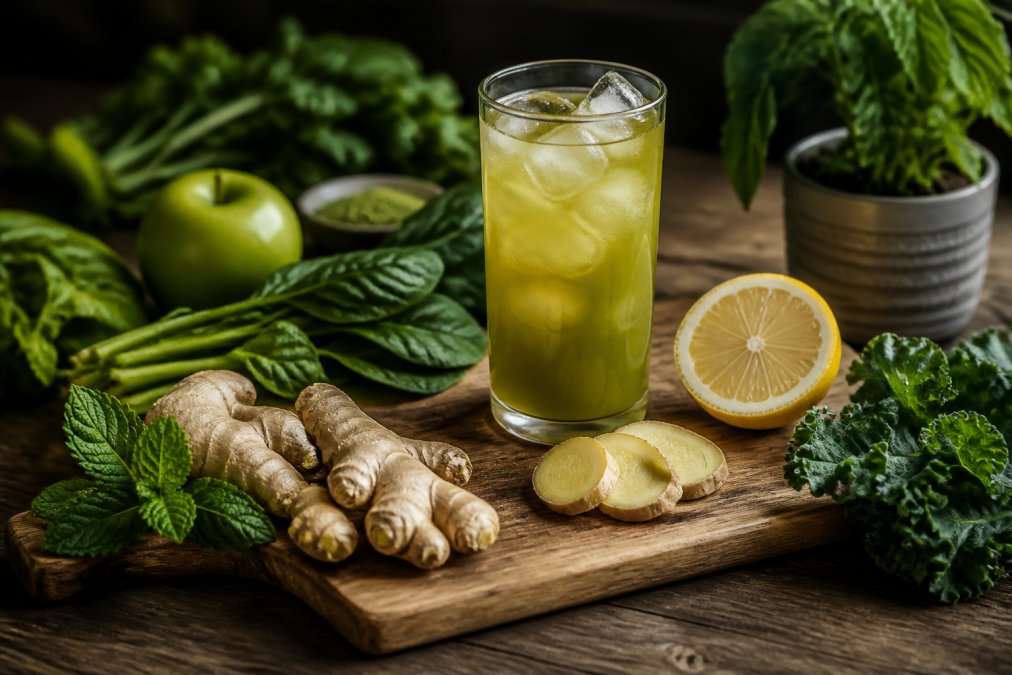
 listicle
Natural Ingredients in Energy Drinks: What Works
Table of Contents
- What Makes Natural Ingredients in Energy Drinks Different
- Best Natural Energy Boosters: Caffeine Sources That Deliver
- Caffeine Alternatives for Energy Without the Jitters
- Supporting Ingredients That Amplify Energy
- How to Boost Energy Naturally: Choosing the Right Drink
- What to Avoid: Synthetic Ingredients and Hidden Additives
- Bioavailability and Real-World Effectiveness
- Frequently Asked Questions
Last Updated: August 19, 2026
What Makes Natural Ingredients in Energy Drinks Different
When you reach for an energy drink, you're making a choice about what goes into your body. The difference between natural ingredients in energy drinks and their synthetic counterparts comes down to how your body processes them and how they affect you over time.
Natural sources of caffeine, like green tea extract, yerba mate, and guarana, deliver energy through compounds your body recognizes and metabolizes efficiently. Synthetic caffeine, by contrast, is often created through chemical synthesis and can hit your system harder and faster, sometimes leaving you with jitters or an energy crash. This guide from Roxberry Juice Co. breaks down what actually works when it comes to natural energy boosting.
The real advantage of natural ingredients isn't just marketing. It's about bioavailability, how well your body can actually absorb and use these compounds. When caffeine comes bundled with other plant compounds like polyphenols and amino acids, your body processes it differently than isolated synthetic caffeine. You get sustained energy rather than a spike followed by a crash.
Beyond caffeine, natural energy drinks often contain supporting ingredients like B-complex vitamins, adaptogens, and amino acids that work together to support your metabolic function and mental clarity. These aren't just filler; they're part of what makes a natural approach to energy genuinely different.
Best Natural Energy Boosters: Caffeine Sources That Deliver
Green Tea Extract and Its Role in Sustained Energy
Green tea extract stands out as one of the most researched natural caffeine sources available. It delivers caffeine alongside L-theanine, an amino acid that works synergistically to smooth out the energy curve. Instead of a sharp spike, you get a gradual lift that sustains for hours.
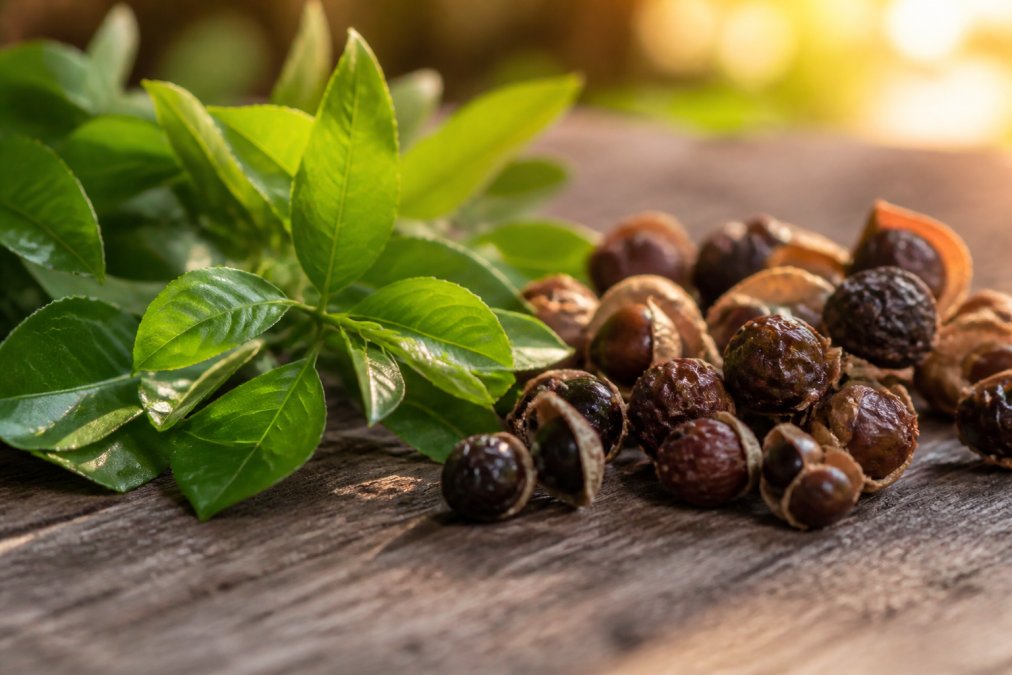
The science here is straightforward: L-theanine increases alpha wave activity in your brain, promoting calm focus. When paired with caffeine's stimulant effect, this combination creates what many describe as "clean" energy, alert without the jitteriness. This is why green tea extract appears in so many natural energy drinks designed for sustained performance.
A typical serving of green tea extract delivers 25-50mg of natural caffeine, making it suitable for those who want a moderate boost. The catechins and polyphenols in green tea also contribute antioxidant properties, supporting overall metabolic health. This multi-benefit profile is what makes green tea extract a cornerstone ingredient in quality natural energy formulations.
Yerba Mate and Guarana: Plant-Based Caffeine
Yerba mate and guarana represent two of the strongest plant-based caffeine sources available. Yerba mate, a South American tea, contains roughly 85mg of caffeine per 8-ounce serving, while guarana seed extract can deliver even higher concentrations, sometimes exceeding 100mg per serving depending on the product formulation.
What sets these apart is their traditional use and the supporting compounds they bring. Yerba mate contains saponins and polyphenols that support metabolic function. Guarana provides not just caffeine but also theobromine and theophylline, compounds that enhance cognitive function and support sustained energy release.
Both ingredients deliver what users often describe as "smooth" energy. The caffeine from these plants comes naturally bound to other compounds, which slows absorption and extends the energy duration. Many people report that yerba mate and guarana don't produce the sharp crash associated with synthetic energy drinks.
For those seeking stronger natural caffeine, these two ingredients are reliable choices. Products featuring yerba mate or guarana typically offer transparent dosing, making it easy to know exactly how much natural caffeine you're consuming.
Caffeine Alternatives for Energy Without the Jitters
L-Theanine: The Calming Companion to Caffeine
L-theanine is an amino acid found naturally in tea leaves that fundamentally changes how caffeine affects your body. When consumed together, L-theanine and caffeine work through different neurological pathways, caffeine stimulates while L-theanine promotes relaxation, creating a balanced energy state rather than overstimulation.
The typical ratio in well-formulated drinks is 1:2 (caffeine to L-theanine), though some products use 1:1 or even higher L-theanine ratios for maximum calming effect. A 100mg dose of caffeine paired with 100-200mg of L-theanine produces noticeably different effects than caffeine alone.
This pairing addresses one of the biggest complaints about energy drinks: the jittery feeling and subsequent crash. L-theanine doesn't reduce caffeine's energizing effects; it changes how those effects are delivered. Users report better focus, fewer jitters, and more stable energy throughout the day.
Adaptogens and Nootropic Ingredients
Adaptogens are plants and herbs that help your body manage stress and maintain balance. Common adaptogenic ingredients in natural energy drinks include ginseng root, ginkgo biloba, and rhodiola. These work differently than caffeine, they don't stimulate directly but rather support your body's natural resilience and mental clarity.
Nootropic ingredients like bacopa and lion's mane mushroom support cognitive function and focus. When combined with natural caffeine sources, adaptogens and nootropics create a more complete energy solution that addresses both physical vitality and mental performance.
The advantage of this approach is sustainability. Pure caffeine dependency can lead to tolerance and crashes. Adaptogens and nootropics support your body's own energy-production systems, making them ideal for daily use without the concern of building tolerance.
Supporting Ingredients That Amplify Energy
B-Complex Vitamins and Metabolic Support
B vitamins are essential cofactors in energy metabolism. Your body converts food into usable energy through metabolic pathways that require B vitamins at nearly every step. When you consume B-complex vitamins alongside natural caffeine, you're supporting the biological machinery that actually produces energy.
B12 and B6 are particularly important for energy metabolism and cognitive function. Many natural energy drinks include these because they work at a fundamental level, not by stimulating your nervous system like caffeine does, but by ensuring your body can efficiently convert nutrients into ATP, the cellular energy currency.
A quality natural energy drink includes meaningful doses of B vitamins, not just token amounts. This is one reason why some natural drinks produce more sustained energy than others, they're supporting your metabolic function, not just delivering a stimulant.
Natural Sweeteners and Glycemic Impact
How a drink is sweetened matters significantly for sustained energy. Artificial sweeteners like aspartame and sucralose don't affect blood sugar, but they also don't provide the satiety or satisfaction of real sweetness. Natural sweeteners like stevia leaf extract, erythritol, and monk fruit offer sweetness without the blood sugar spike that comes from added sugar. natural energy strategies.
Erythritol and monk fruit have minimal glycemic impact, meaning they won't trigger the insulin response that leads to energy crashes. This is critical for sustained energy, a drink sweetened with regular sugar might give you a quick boost followed by a significant dip. Natural sweeteners maintain stable blood sugar, supporting consistent energy throughout the day.
The best natural energy drinks are transparent about their sweetening approach. Look for products that use stevia, monk fruit, or erythritol rather than high-fructose corn syrup or excessive added sugars.
How to Boost Energy Naturally: Choosing the Right Drink
Selecting a natural energy drink that actually delivers requires knowing what to look for. Start by checking the caffeine source, is it from green tea, yerba mate, guarana, or another plant? Transparent labeling matters here; you should be able to identify exactly where the caffeine comes from.

Next, examine the supporting ingredients. Does the drink include L-theanine to smooth out the caffeine effect? Are B vitamins present in meaningful amounts? Does it contain adaptogens or nootropics that support sustained mental clarity? These secondary ingredients separate drinks that simply deliver caffeine from those that support genuine, lasting energy.
Consider your personal tolerance and needs. If you're sensitive to caffeine, a drink with 70-100mg from yerba mate or green tea might be ideal. If you need a stronger boost, guarana or a higher-caffeine formulation makes sense. The key is matching the product to your actual requirements rather than defaulting to whatever's most convenient.
At Roxberry Juice Co., we focus on transparency in ingredients because we know that health-conscious consumers deserve to understand exactly what they're consuming. Our fresh-pressed juices and smoothies use real fruits and vegetables, no synthetic additives, no mystery ingredients. When you're choosing an energy drink, apply the same standard: real ingredients, clear sourcing, and transparent labeling.
What to Avoid: Synthetic Ingredients and Hidden Additives
Synthetic caffeine, often labeled as caffeine anhydrous, is chemically identical to natural caffeine but lacks the supporting compounds found in plant sources. The problem isn't the molecule itself but the absence of the complementary compounds that slow absorption and create sustained energy.
Artificial sweeteners like aspartame and acesulfame potassium don't contribute to energy but do trigger cravings for more sweetness in some people. If you're trying to establish stable energy patterns, these ingredients work against that goal.
Avoid drinks with excessive added sugars. A 16-ounce energy drink with 30+ grams of sugar will spike your blood glucose rapidly, creating a brief energy lift followed by a crash. This pattern trains your body to depend on sugar for energy, perpetuating cycles of fatigue and cravings.
Look beyond the marketing claims. "Natural flavor" is vague, it could mean anything. "Energy blend" without ingredient transparency is a red flag. The best natural energy drinks list every ingredient with clear sourcing and dosing information.
Bioavailability and Real-World Effectiveness
Bioavailability, the fraction of an ingested ingredient that reaches systemic circulation in an active form, is where natural and synthetic caffeine diverge most meaningfully. Understanding this gap explains why two drinks with identical caffeine content can produce noticeably different effects.
Synthetic Caffeine (Anhydrous) Absorption
Synthetic caffeine anhydrous is a pure, isolated alkaloid with no plant matrix. It dissolves rapidly in the stomach and small intestine, reaching peak blood levels within 30-60 minutes. This sharp absorption curve produces the characteristic "spike and crash" many users report. The body metabolizes caffeine through hepatic CYP1A2 enzymes, with a half-life of 3-7 hours depending on individual genetics, liver function, and medications. Because synthetic caffeine enters the bloodstream quickly and completely, the initial stimulant effect is intense, but the decline is equally abrupt.
Natural Caffeine from Plant Sources
Natural caffeine bound within plant matrices, green tea leaves, guarana seeds, yerba mate, is embedded alongside polyphenols, tannins, and other phytochemicals. These compounds slow gastric emptying and reduce the rate of caffeine absorption. Peak blood levels are reached in 45-90 minutes rather than 30-60, creating a gentler rise. More importantly, the polyphenols and tannins that accompany natural caffeine may inhibit certain phases of hepatic metabolism, extending the effective half-life and smoothing the decline. The result is a flatter absorption curve, lower peak, longer plateau, gentler taper.
Green tea extract exemplifies this mechanism. Catechins in green tea inhibit catechol-O-methyltransferase (COMT), an enzyme that breaks down neurotransmitters like dopamine and norepinephrine. This extends the neurological effects of caffeine beyond what the molecule alone would produce. The L-theanine present in green tea further modulates this by increasing GABA and serotonin activity, counterbalancing caffeine's adrenergic stimulation.
The L-Theanine Synergy
When L-theanine (50-200 mg) is consumed with caffeine, bioavailability of both compounds is enhanced through different mechanisms. L-theanine crosses the blood-brain barrier via neutral amino acid transporters and increases alpha-wave activity in the brain within 30-40 minutes. Caffeine, arriving via the same window, binds to adenosine receptors already primed by L-theanine's GABAergic activity. The result is not simply "less jittery caffeine" but a qualitatively different neurological state: sustained alertness without the sympathetic nervous system overdrive that produces tremor, anxiety, or heart palpitations.
Studies on this pairing show that the 1:2 ratio (caffeine to L-theanine, e.g., 100 mg caffeine with 200 mg L-theanine) produces measurably better sustained attention and fewer errors on cognitive tasks compared to caffeine alone, despite lower total caffeine content. This is bioavailability in action, the same dose of caffeine, but delivered to the brain in a form that the nervous system can utilize more effectively.
B Vitamins and Cofactor Availability
B vitamins (B6, B12, folate, pantothenic acid) are cofactors in energy metabolism, but their bioavailability depends on stomach pH, intestinal transit time, and the presence of other nutrients. When consumed in isolation, synthetic B vitamins are absorbed efficiently but may not be retained or utilized as effectively as when they arrive alongside food compounds. Natural energy drinks that include B vitamins alongside whole-food ingredients (fruit extracts, plant powders) often show better retention and metabolic utilization because the plant matrix provides the enzymatic environment these vitamins evolved to work within.
Real-World Implications
A 200 mg dose of synthetic caffeine anhydrous produces a sharp peak at 45 minutes, a decline by 3 hours, and potential rebound fatigue by 6-8 hours. The same 200 mg from yerba mate or guarana, paired with L-theanine and B vitamins, produces a gentler rise at 60 minutes, a sustained plateau through 4-5 hours, and a gradual decline without the crash. Users report fewer jitters, better focus, and no afternoon energy deficit, not because the caffeine is "weaker" but because bioavailability is optimized for sustained neurological and metabolic effect.
This is why ingredient lists alone are insufficient for evaluating energy drinks. A product with 80 mg of natural caffeine from green tea plus L-theanine and B vitamins often outperforms a product with 150 mg of synthetic caffeine in terms of actual user experience and sustained energy. Bioavailability determines whether ingredients on a label translate into real-world effectiveness.
Frequently Asked Questions
What natural ingredients in energy drinks actually work for sustained energy?
Green tea extract, yerba mate, and guarana seed deliver caffeine through plant sources, while L-theanine smooths the energy curve and reduces jitters. B vitamins support metabolic processing, and adaptogens like ginseng root help your body manage stress during energy demands. The synergy between caffeine and L-theanine is particularly effective, it provides focus without the crash typical of synthetic stimulants. Look for drinks listing these ingredients on the label rather than vague terms like 'natural flavors.'
Are natural energy drinks actually better than synthetic alternatives?
Natural sources have better bioavailability, meaning your body absorbs and uses them more efficiently. Synthetic caffeine anhydrous hits fast but often causes jitters and crashes; natural caffeine releases more gradually, supporting sustained energy. Natural ingredients also carry antioxidant properties, green tea provides catechins, yerba mate offers polyphenols, which synthetic drinks lack. However, what matters most is the total formulation. A poorly designed natural drink with too much sugar will crash harder than a clean synthetic option. Check the full ingredient list, not just the caffeine source.
What ingredients should I avoid in energy drinks?
Avoid synthetic stimulants like caffeine anhydrous in high doses (over 200mg per serving), artificial sweeteners such as sucralose and aspartame, and undefined additives like 'proprietary blends.' High-fructose corn syrup and added sugars spike blood sugar and trigger crashes. Watch for glucuronolactone in excessive amounts, while it supports energy metabolism, overuse can cause headaches. Taurine in moderation is fine, but combined with high caffeine, it can elevate heart rate. Prioritize clean labels with recognizable, transparent ingredient lists.
Can natural energy drinks help with digestion and gut health?
Some natural energy drinks support digestion through polyphenols in yerba mate and antioxidants in green tea, which promote healthy gut bacteria. However, high sugar content and carbonation can irritate sensitive digestive systems. If you have IBS or other digestive concerns, choose unsweetened varieties or drinks sweetened with monk fruit and erythritol rather than sugar alcohols like sorbitol. Fresh-pressed juices with whole fruits provide fiber and enzymes that support digestion better than processed drinks. Always start with small amounts to see how your body responds.