 listicle
Fresh Juice Recipes for Immune Support: 7 Blends to Try
Last Updated: November 3, 2026
Quick Summary
These fresh juice recipes for immune support pair vitamin C-rich citrus with ginger, greens, and berries, and work best as one part of a varied diet rather than a magic bullet. Keep two citrus fruits and one non-citrus vitamin C source on hand, and drink each glass within 24 hours.
- Citrus juices are a good source of vitamin C and folate, which help sustain immunological barriers.
- Keep two citrus fruits and one non-citrus vitamin C source on hand to rotate blends without waste.
- Store citrus whole in the refrigerator crisper drawer because cut citrus loses vitamin C faster.
- Wash all produce under running water before juicing, even items you plan to peel.
- A reasonable serving is 8 to 10 ounces, treated as a side to a meal or a mid-afternoon drink.
Table of Contents
- Why Fresh Juice Fits Into an Immune-Support Routine
- Immune-Boosting Juice Ingredients to Keep on Hand
- 1. Citrus Sunrise: Orange, Grapefruit, and Lemon
- 2. Carrot-Ginger-Apple Blend
- 3. Green Machine: Kale, Cucumber, Celery, and Green Apple
- 4. Beet, Carrot, and Berry Juice
- 5. Pineapple-Turmeric Refresher
- The Benefits of Juicing for Health: What It Can and Cannot Do
- Frequently Asked Questions
Why Fresh Juice Fits Into an Immune-Support Routine
Fresh juice recipes for immune support work best as one part of a varied diet, not as a magic bullet. Citrus juices are a particularly good source of vitamin C and folate, nutrients that help sustain the integrity of immunological barriers, according to a review published in the journal Nutrients. At Roxberry Juice Co., we press real fruits and vegetables and blend smoothies to order.
A busy morning leaves little room for chopping produce, which is why many people prefer a ready-made glass. If you want to make these at home, our guide on how to prepare fresh juice at home without wasting produce walks through the process step by step.
Immune-Boosting Juice Ingredients to Keep on Hand
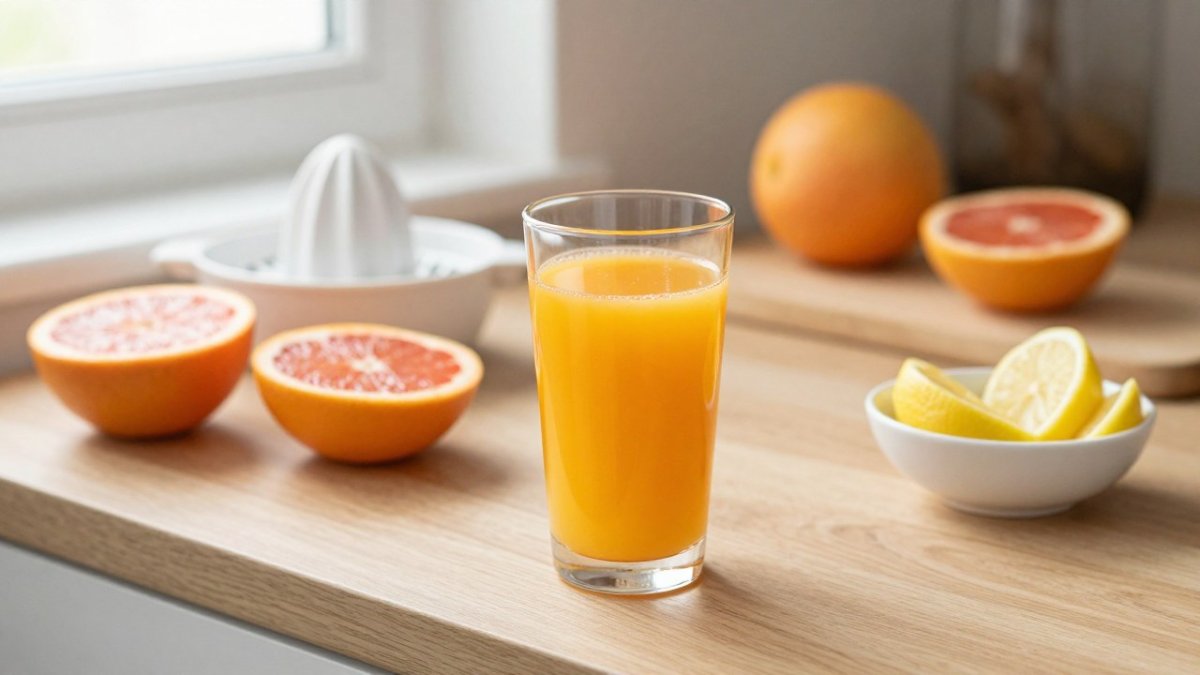
Stocking a few core ingredients means you can build a juice blend any morning without a shopping trip. Our Ingredient Guide explains what each ingredient offers. Think in three groups: vitamin C-rich produce, flavor builders, and something green. The goal is not a fixed shopping list but a flexible pantry of produce you can rotate based on what looks good and what is on sale.
Vitamin C-Rich Produce
Citrus leads here: oranges, grapefruits, lemons, and limes. Bell peppers, strawberries, kiwi, and tomatoes also bring vitamin C. Keep a mix of citrus and non-citrus options so your juices do not all taste the same. A practical rule of thumb is to keep two citrus fruits and one non-citrus vitamin C source on hand at a time, which gives you enough variety to rotate blends without waste.
Watch out: vitamin C is heat- and light-sensitive, so store citrus whole in the refrigerator crisper drawer rather than pre-juicing it days ahead. Cut citrus loses vitamin C faster than whole fruit.
Ginger, Turmeric, and Other Flavor Builders
Ginger adds heat, turmeric brings an earthy note, and both pair well with carrot, apple, and pineapple. A small knob goes a long way. Fresh mint, a squeeze of lemon, and a pinch of black pepper round out flavors without added sugar.
A common pattern is to buy ginger and turmeric in larger pieces and freeze what you will not use within a week; both grate or juice well from frozen. Black pepper is worth keeping nearby because it pairs with turmeric in both flavor and tradition, though the amount in a single glass is small.
Something Green
Kale, spinach, cucumber, celery, and green apple form the backbone of most green blends. Keep at least two greens on hand so you can swap if one wilts. Spinach is milder than kale and works well for readers new to green juice; cucumber and celery add water and a clean finish.
Substitutions and Allergy-Aware Swaps
Not every reader can use every ingredient. If citrus is a problem, kiwi, bell pepper, and strawberry bring vitamin C without the citrus flavor. If ginger is too strong or unavailable, fresh mint or a small piece of fresh turmeric can stand in for heat and aroma. For readers avoiding kale or celery, spinach and cucumber are the most common swaps. None of these substitutions changes the basic method: wash, cut to fit your machine, and press.
Seasonal and Budget-Conscious Swaps
Produce prices swing with the season, so build blends around what is cheapest and best that week. In cooler months, carrots, apples, beets, and citrus tend to be the most reliable values. In warmer months, berries, cucumber, and melon stretch a juice further. Frozen fruit is a practical budget option for berries and pineapple, though it should be thawed slightly before juicing so it does not strain the machine.
A Short Food-Safety Note
Wash all produce under running water before juicing, even produce you plan to peel (the FDA). Scrub firm-skinned items like citrus and carrots with a produce brush. People at higher risk from foodborne illness, including older adults, pregnant readers, young children, and anyone immunocompromised, should be especially careful with fresh juice and should consider pasteurized options or consult a health care provider. Refrigerate fresh juice promptly and drink it within 24 hours.
1. Citrus Sunrise: Orange, Grapefruit, and Lemon
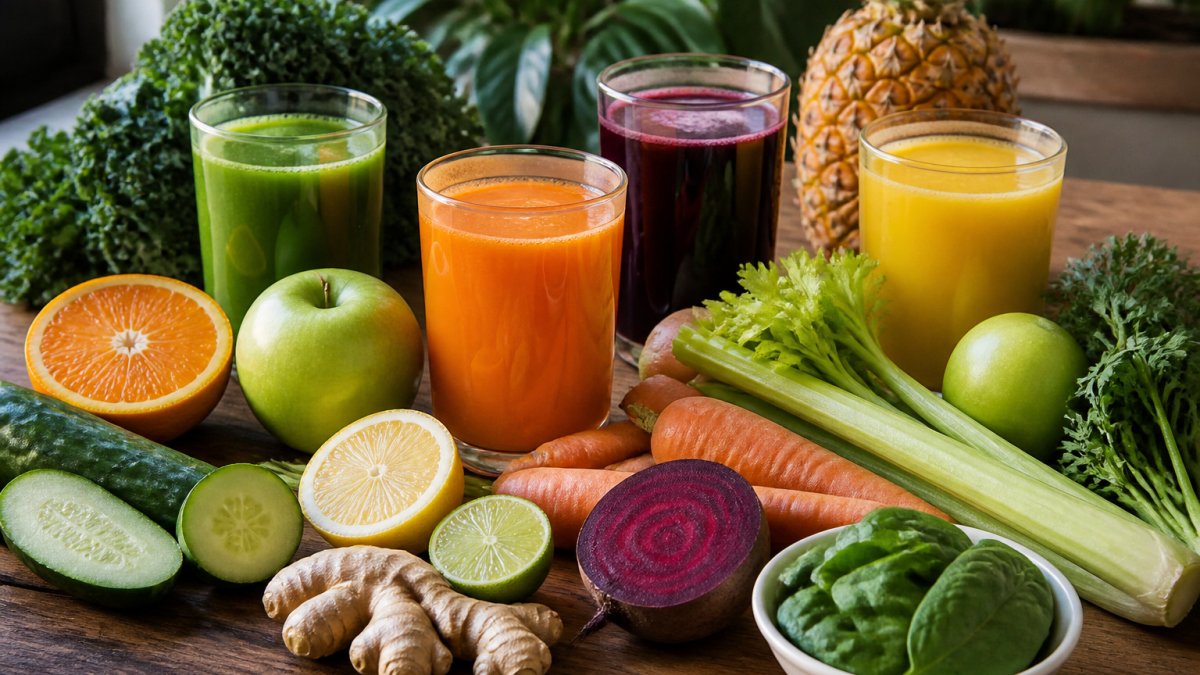
This is the most refreshing blend on the list, and the simplest. Juice two oranges, one grapefruit, and half a lemon. Serve over ice. The result is bright, tart, and hydrating, with the vitamin C punch citrus is known for. Adding a touch of ginger or turmeric to this citrus base can further enhance the natural potency of these immune-boosting herbal remedies during the colder months.
A common mistake is juicing the pith along with the fruit, which turns the drink bitter. Peel fully and remove the white membrane before pressing. Drink it fresh; citrus juice loses its sparkle after a day in the fridge.
2. Carrot-Ginger-Apple Blend
Sweet, spicy, and satisfying, this blend is a good entry point if you are new to vegetable juice. Use three carrots, one apple, and a thumb-sized piece of ginger. The apple softens the carrot's earthiness, and the ginger keeps it lively.
Watch out: ginger can overpower quickly. Start with a small piece and add more to taste.
3. Green Machine: Kale, Cucumber, Celery, and Green Apple
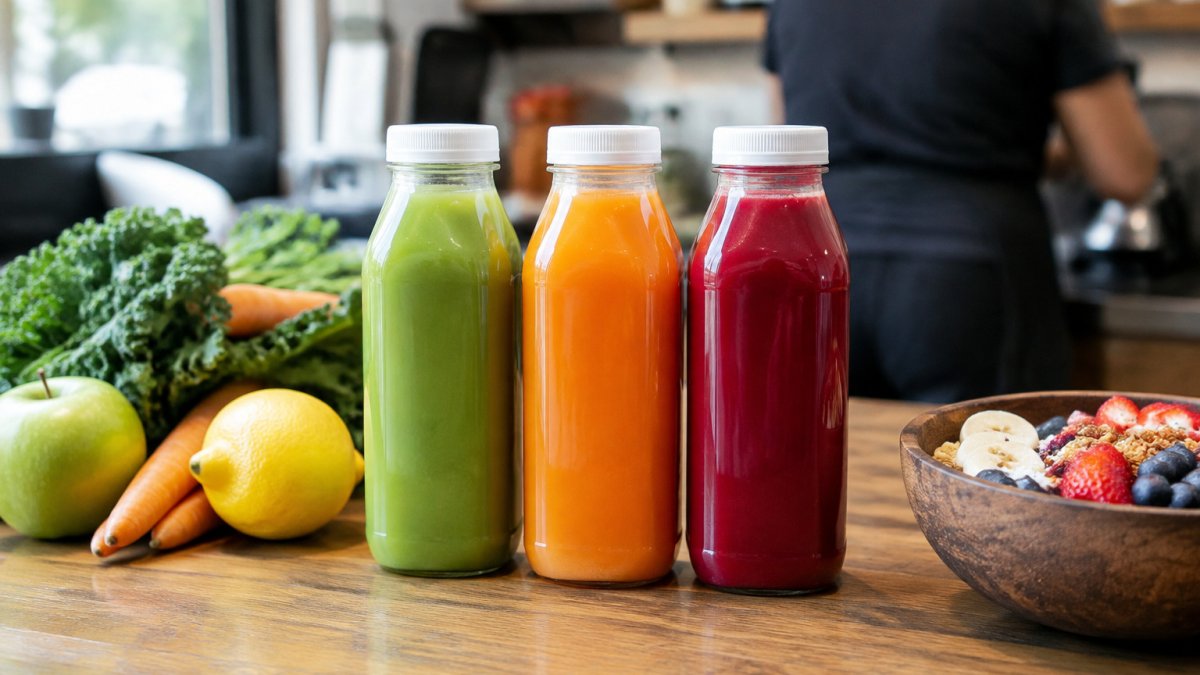
Green juice divides people, but this combination wins over skeptics. Blend two kale leaves, half a cucumber, two celery stalks, and one green apple. The apple and cucumber keep it light; the kale and celery do the heavy lifting nutritionally. Read more in our guide to the power of green juice.
Serve it cold and drink it soon after pressing.
4. Beet, Carrot, and Berry Juice
Earthy beet meets sweet berry in this deeply colored blend. Use one small beet, two carrots, and a handful of strawberries or blueberries. The berries temper the beet's intensity, and the color alone makes it feel like a treat.
Beet juice stains, so rinse your juicer parts right away. This blend is also a good use for berries that are slightly past their prime but not spoiled.
5. Pineapple-Turmeric Refresher
Tropical and bright, this one tastes like vacation. Juice half a pineapple with a small piece of fresh turmeric and a squeeze of lime. If fresh turmeric is hard to find, a pinch of ground turmeric works, though the flavor is sharper.
Turmeric stains counters and clothing, so work carefully. The pineapple's natural sweetness means no added sugar is needed.
The Benefits of Juicing for Health: What It Can and Cannot Do
Juice delivers vitamins, minerals, and hydration in a form that is easy to consume, especially for people who struggle to eat enough produce. Our label guide on signs of added sugar in fruit juice helps you spot added sugar before buying or making juice. That is a real benefit. What juice cannot do is prevent or treat illness on its own. Healthline's guidance on juices and immune support frames juice as a source of nutrients within a healthy diet, not a standalone treatment.
What Juice Contributes
Juice can add vitamins and water to your day. It works best alongside meals rather than in place of them.
What Juice Cannot Do
Juice is not a treatment for infection. Overall diet, rest, and standard public-health measures matter more than any single drink.
Fiber: The Main Trade-Off
Juicing removes most of the fiber found in whole produce. If fiber matters to you, blend instead of juice, or eat the whole fruit alongside your glass. A blended smoothie keeps the pulp and therefore more fiber than a strained juice. Neither is "better" in every case; the right choice depends on whether you want a quick nutrient hit or a more filling drink.
Rough Nutrition Context by Recipe
Exact numbers vary with fruit size, variety, and how much pulp is strained out. Because strained juice has little fiber, it is easy to drink quickly; pairing a glass with a meal or a source of protein helps slow the sugar load.
Serving Size and Timing
A reasonable serving is 8 to 10 ounces, not a quart. Most people do best treating juice as a side to a meal or a mid-afternoon drink rather than as a meal replacement.
Juicing vs. Blending at a Glance
| Method | Fiber | Texture | Best For |
|---|---|---|---|
| Juicing | Mostly removed | Thin, clear | Quick nutrient hit, easy drinking |
| Blending | Retained | Thick, pulpy | Filling drink, more fiber |
| Recipe | Main Ingredients | Best For | Watch Out For |
|---|---|---|---|
| Citrus Sunrise | Orange, grapefruit, lemon | Morning hydration | Bitter pith if not peeled |
| Carrot-Ginger-Apple | Carrots, apple, ginger | Juice beginners | Too much ginger |
| Green Machine | Kale, cucumber, celery, green apple | Vegetable servings | Drink fresh |
| Beet, Carrot, and Berry | Beet, carrots, berries | Sweet cravings | Stains juicer parts |
| Pineapple-Turmeric | Pineapple, turmeric, lime | Tropical flavor | Turmeric stains |
Frequently Asked Questions
What is the best juice to boost my immune system?
There is no single best juice. A citrus-forward blend with orange, grapefruit, and lemon gives you vitamin C and folate. Pairing citrus with ginger, carrot, or leafy greens adds variety. Juice can complement a healthy diet, so build your routine around whole fruits and vegetables too.
What are the best immune-boosting juice ingredients?
Start with vitamin C-rich produce like orange, grapefruit, lemon, kiwi, and strawberry. Carrots, kale, and spinach add plant nutrients, while ginger and turmeric bring flavor and aroma. Green apple, cucumber, and celery balance sweetness. Choose fresh, ripe produce and rinse everything before juicing. Rotate ingredients across the week so you get a wider mix of nutrients rather than relying on one blend.
Can fresh juice really help support immune function?
Fresh juice can supply nutrients such as vitamin C and folate from citrus. Juice should sit inside an overall healthy eating pattern, and it is not a substitute for medical care when you are sick.
How should I store fresh juice to keep it safe?
Drink fresh juice soon after pressing for the best flavor and nutrient content. If you need to store it, pour it into a clean, airtight glass container, fill it close to the top to limit air exposure, and refrigerate immediately. Keep it cold and use it within a day or two. Discard juice that smells off or has been left at room temperature for more than two hours.
How often should I drink fresh juice for immune support?
One serving a day alongside regular meals is a reasonable habit for most people. Treat juice as a complement to whole fruits and vegetables, not a replacement. If you are watching sugar intake, keep fruit-heavy blends to one serving and lean on vegetable-based green juices more often. Anyone managing a health condition or taking medication should check with a doctor first.