 how-to
8 Steps to Prepare Fresh Juice at Home Without Wasting Produce
Last Updated: October 25, 2026
Quick Summary
To prepare fresh juice at home, choose ripe, high-water produce like cucumber, celery, watermelon, and citrus, wash it under cool running water, and cut it to fit your machine's feed chute. Feed soft items first, then firm ones, and push greens through last with a watery base. Drink it right away or refrigerate it in a full, sealed jar.
- About 1 pound of cucumber yields roughly 10 to 12 ounces of juice.
- Wash produce before you cut, since bacteria on the peel transfer to the flesh.
- Use two parts sweet produce, one part tart, and a small handful of greens.
- Refrigerated juice in a sealed, full jar is best within 24 hours.
- Never force produce into the chute with your fingers while the motor runs.
Table of Contents
- Start With the Right Produce and a Quick Equipment Check
- How to Make Juice Without a Juicer
- Juicing vs. Blending: Which Method Fits Your Routine
- Step-by-Step: Running Produce Through a Juicer
- Fresh Juice Recipes and Flavor Combinations That Work
- How to Store Fresh Juice So It Lasts Longer
- Common Mistakes That Ruin Homemade Juice
- Order Fresh-Pressed Juice From Roxberry When Time Is Tight
- Frequently Asked Questions
Start With the Right Produce and a Quick Equipment Check
Great homemade juice starts before the machine ever turns on. At Roxberry Juice Co., we have learned that the produce you pick matters more than the gear you own.
Ripe produce gives you more juice and better flavor. Underripe fruit stays firm and dry. Overripe fruit turns soft and mushy. Both waste your money.
Pick Ripe Fruit and Vegetables That Juice Well
High-water produce gives you the most juice for your effort. Cucumber, celery, watermelon, and citrus are reliable choices. Apples and carrots add natural sweetness and body.
Look for fruit that feels heavy for its size. That weight signals water content. Skip anything with soft spots, mold, or a sour smell.
Leafy greens like spinach and kale juice in small amounts. They add nutrients but very little liquid.
A practical yield guide helps you plan: about 1 pound of cucumber yields roughly 10 to 12 ounces of juice; 1 pound of carrots yields about 8 to 10 ounces; 1 pound of oranges yields about 6 to 8 ounces once peeled. Leafy greens are the outlier, a full bunch of spinach may give you only 2 to 4 ounces, which is why they are almost always blended with a watery base.
Wash and Prep Produce Before It Hits the Machine
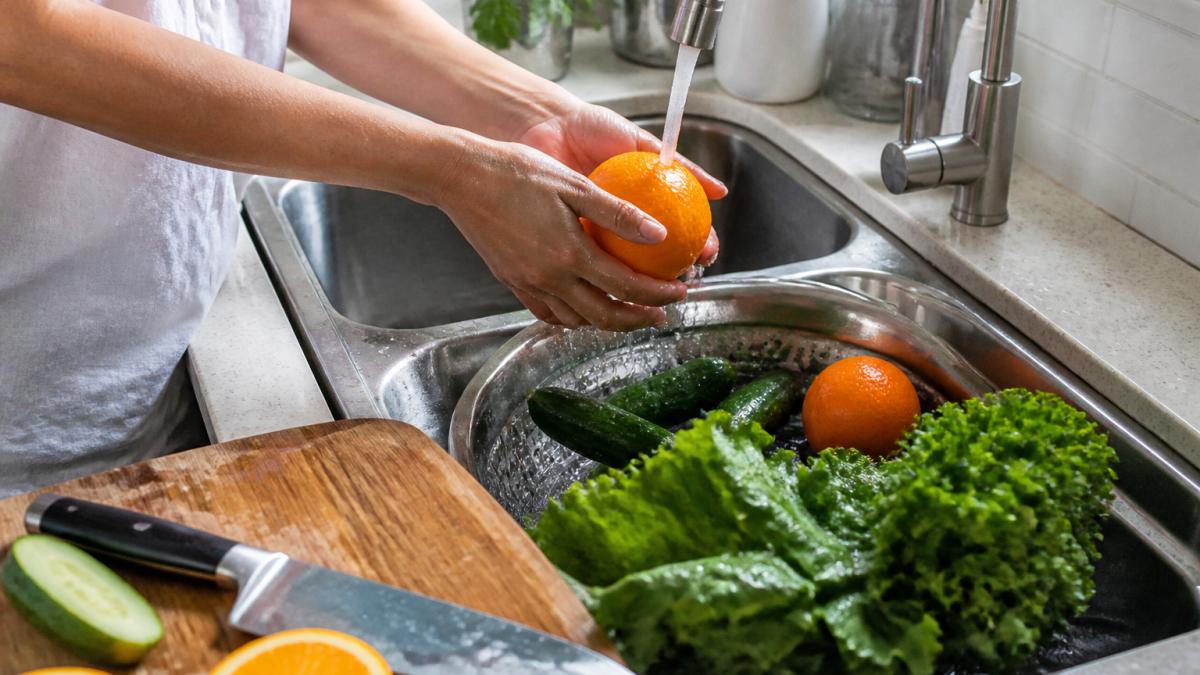
Rinse everything under cool running water. Scrub firm skins with a produce brush. For leafy greens, soak them in a bowl of water and swish them around to lift dirt.
Food safety is where most home juicers get sloppy. Fresh juice is unpasteurized, which means anything on the outside of the produce ends up in your glass. A few habits close that gap:
- Wash before you cut, not after. Bacteria on the peel transfer to the flesh the moment your knife passes through. Rinse whole produce first, then cut.
- Chill produce promptly. Cut produce should not sit at room temperature for more than two hours (the FDA). Refrigerate cut pieces in a covered container if you are prepping ahead.
- Skip the soap and bleach. The FDA does not recommend washing produce with soap or commercial produce washes; cool running water and friction are sufficient for home use (the FDA).
Prep steps that save time:
- Cut produce into pieces that fit your machine's feed chute
- Peel citrus and thick-skinned fruit like pineapple
- Leave thin skins on apples and cucumbers for extra fiber
A quick equipment check saves headaches later. Confirm your juicer is clean and assembled. Check that the pulp bin is empty. Plug it in and test the motor for a few seconds.
Match Produce to Your Machine Before You Buy
Different machines handle different produce. A centrifugal juicer spins at high speed and works best with firm items like carrots, apples, and beets; it struggles with leafy greens and wheatgrass, which wrap around the basket.
If you are shopping for a machine, look at the feed chute size, a wider chute means less chopping, and the number of parts that need washing.
How to Make Juice Without a Juicer
You can make fresh juice at home with no special machine. A blender and a strainer handle most fruit. A manual press or cheesecloth works well for citrus and small batches. Both methods take a little more hands-on time, but they deliver real juice. These vibrant, pulp-free liquids serve as the perfect base for making non-alcoholic mocktails that elevate any gathering.
Blender and Strainer Method
Add chopped produce to your blender with a splash of water. Blend until smooth. Pour the mix through a fine-mesh strainer or a nut milk bag over a bowl. Press the pulp with a spoon to squeeze out every drop.
This method works best for soft fruit and watery vegetables. Hard items like carrots and beets need a strong blender and more patience.
Manual Citrus and Cheesecloth Methods
Cut citrus in half and press it with a handheld citrus squeezer. This is the fastest way to get fresh juice from oranges, lemons, and limes.
For other produce, grate or mash it, then wrap it in cheesecloth. Twist the cloth over a bowl and squeeze. It takes effort, but the juice comes out clean.
Juicing vs. Blending: Which Method Fits Your Routine
Juicing separates the liquid from the pulp. Blending keeps everything together, fiber included. The right pick depends on your goals and your morning schedule.
| Method | What You Get | Best For | Cleanup |
|---|---|---|---|
| Juicer | Clear liquid, pulp removed | Fast morning juice, light drinks | More parts to wash |
| Blender | Thick drink, fiber kept | Smoothies, soft fruit, budget setups | Quick rinse |
| Manual press | Small batches, citrus | Citrus, travel, no power needed | Minimal |
A juicer gives you a clean, refreshing drink with less fiber. If you want to compare machine types before buying, read our guide on cold-pressed vs centrifugal juicers to see which extracts better.
Neither method is "better." Each fits a different routine. Busy mornings favor a juicer. Budget setups favor a blender.
Step-by-Step: Running Produce Through a Juicer
Feed produce in the right order to get more juice and less foam. Start with soft items, then move to firm ones.
- Set up your juicer with a clean pulp bin and a glass underneath.
- Start with soft produce like cucumber or orange.
- Add firm items like carrots and apples next.
- Push greens through last, mixed with a watery item.
- Alternate soft and firm pieces to help the machine self-clean.
- Let the juice settle for a minute, then skim any foam.
- Stir before serving for even flavor.
Watch out: never force produce into the chute with your fingers or a utensil while the motor runs.
Slow juicers handle greens and wheatgrass better. Centrifugal machines work faster but leave more pulp behind. Match your produce to your machine for the best yield.
Fresh Juice Recipes and Flavor Combinations That Work
Good juice balances three flavors: sweet, tart, and earthy. Most recipes follow a simple base rule. Use two parts sweet produce, one part tart, and a small handful of greens.
Try these combinations:
- Classic orange: 4 oranges, 2 carrots, 1-inch ginger
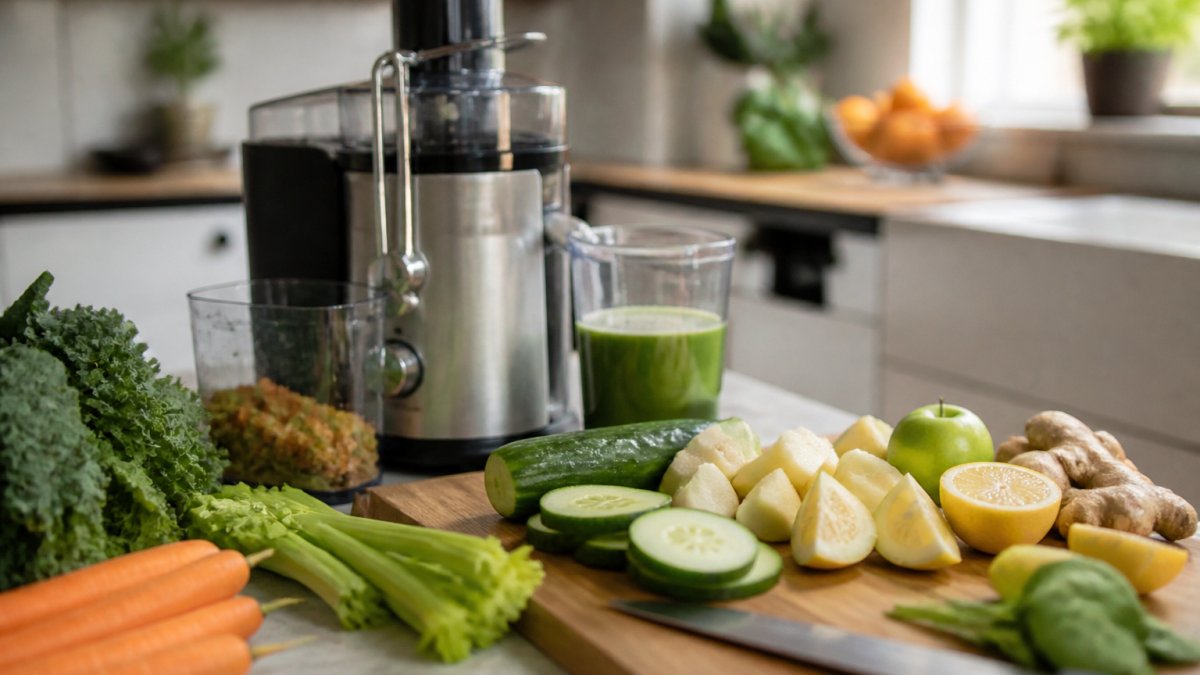
- Green starter: 1 cucumber, 2 celery stalks, 1 green apple, handful of spinach
- Tropical: 1 cup pineapple, 1 orange, 1-inch fresh ginger
For more green-specific ideas and their benefits, browse the power of green juice guide.
Balancing Sweet, Tart, and Earthy Flavors
Sweet comes from fruit like apples, oranges, and pineapple. Tart comes from citrus, green apple, and cranberries. Earthy notes come from greens, beets, and ginger.
Too sweet? Add lime or green apple. Too tart? Add carrot or a splash of orange. Too earthy? Add pineapple or a little honey.
Taste as you go. Small adjustments beat big ones.
How to Store Fresh Juice So It Lasts Longer
Fresh juice tastes best right away. It starts to lose flavor and nutrients within hours of pressing. Store it cold and drink it fast for the best result.
Pour juice into a glass jar and fill it to the top. Less air means slower browning. Seal the lid tight and refrigerate right away.
Why Fresh Juice Degrades So Quickly
Three things happen the moment produce is juiced. First, oxygen meets the liquid and starts oxidizing vitamin C and other heat-sensitive nutrients. Second, enzymes released during juicing continue to break down cell walls, which is why juice separates and turns dull. Third, light speeds up browning, especially in apple, pear, and green juices. Removing the pulp also removes most of the fiber that would otherwise slow these reactions, which is why fresh juice has a much shorter window than a smoothie.
How Long Fresh Juice Lasts
Use this as a working guide, not a guarantee:
- At room temperature: drink within 1 to 2 hours. Beyond that, flavor fades and microbial risk climbs.
- Refrigerated in a sealed, full jar: best within 24 hours; acceptable up to 48 hours for most fruit and vegetable blends.
- Citrus juice: holds up slightly better, often 2 to 3 days refrigerated, because its natural acidity slows spoilage.
Storage Tips That Actually Help
- Keep juice chilled at all times. The refrigerator door is the warmest spot; store juice on a back shelf instead.
- Use glass or food-grade stainless steel. Some plastics can absorb and transfer odors.
- Add a squeeze of lemon or lime to slow browning in apple- and pear-based juices.
How to Tell If Juice Has Gone Bad
Smell and taste are your first checks. Fresh juice smells like the produce it came from. Off smells, a fizzy or fermented aroma, visible mold, or a slimy texture mean it is time to discard it. When in doubt, throw it out, the cost of a glass of juice is not worth a foodborne illness.
To tell whether juice is still fresh and safe, read our guide on how to identify fresh pressed juice.
Common Mistakes That Ruin Homemade Juice
Most bad juice comes from a few avoidable errors. Fix these and your results improve right away.
- Not washing produce well. Dirt and grit end up in your glass.
- Using soft, old fruit. It turns bitter and yields little juice.
- Skipping the peel check. Thick skins like orange and pineapple taste bitter when juiced.
A common mistake is juicing leafy greens alone. They clog machines and yield little liquid. Mix them with cucumber or apple.
Another mistake: ignoring pulp. That pulp can go into muffins, soups, or compost. Nothing needs to go to waste.
Order Fresh-Pressed Juice From Roxberry When Time Is Tight
Some mornings leave no time for washing, chopping, and cleanup. That is where Roxberry Juice Co. comes in.
We also blend smoothies to order and top our açaí bowls with our signature Roxberry Granola.
Weighing the effort of DIY juicing against buying? See fresh pressed juice vs store bought to decide what is worth it for your routine. Find your nearest spot on our locations page.
Frequently Asked Questions
Is it better to juice or blend?
It depends on what you want from the drink. Blending keeps the pulp and fiber, so a smoothie is more filling and works well as a meal replacement or post-workout drink. Juicing removes the fiber and concentrates the liquid, which makes nutrients easier to absorb but also means you can drink a lot of produce quickly. Many people keep both tools on hand and rotate based on their goals.
How do you make fresh juice without a juicer?
You can make fresh juice at home without a juicer using a blender and a strainer or cheesecloth. Blend the chopped produce with a splash of water until smooth, then pour it through a fine-mesh strainer or double layer of cheesecloth and press the pulp with a spoon to extract as much liquid as possible. Citrus is even easier: halve and squeeze by hand or with a manual press. This method takes longer than a juicer but works with equipment most kitchens already have.
How long does homemade fresh juice last in the refrigerator?
Most homemade fresh juice is best within 24 to 48 hours. Oxidation and enzyme activity cause flavor and color to fade, and nutrients decline over time. Store juice in a sealed glass jar filled close to the top to limit air exposure, and keep it in the coldest part of the fridge. Adding a squeeze of lemon or lime can slow browning. If the juice smells off, looks cloudy in a way it didn't before, or has been sitting more than three days, discard it.
How should you wash and prepare produce for juicing?
Rinse all produce under cool running water and scrub firm items like cucumbers and citrus with a produce brush. You don't need soap, which can leave residue. Cut away bruised or moldy spots, remove pits from stone fruit, and peel thick-skinned citrus if your juicer can't handle the pith. Leafy greens and herbs should be soaked briefly and dried. Prep produce into pieces that fit your machine's feed chute to protect the motor and get better juice yield.
Preparing fresh juice at home takes practice, but the payoff is a drink you control from first rinse to final sip. When your schedule gets tight, Roxberry Juice Co. is here with 100% natural fresh-pressed juices, smoothies blended to order, and nourishing snacks made from real fruits and vegetables. Get started with Roxberry Juice Co. and enjoy fresh, feel-good juice without the cleanup.