 blog
blog
Cold-Pressed vs Centrifugal Juicer: Which Extracts Better
Table of Contents
- How Cold-Pressed and Centrifugal Juicers Work
- Cold-Pressed Juice vs Regular Juice: Nutrient and Quality Differences
- Juice Yield and Extraction Efficiency: Which Juicer Produces More
- Best Juicer for Leafy Greens: Cold-Pressed Performance vs Centrifugal Speed
- Centrifugal Juicer Pros and Cons: Speed, Cost, and Limitations
- Cold-Pressed Juice Shelf Life and Storage: How Long Does Fresh Juice Last
- Cost of Ownership and Real-World Value
- Which Juicer Should You Choose
- Frequently Asked Questions
Last Updated: October 14, 2026
How Cold-Pressed and Centrifugal Juicers Work
Understanding the difference between a cold-pressed vs centrifugal juicer starts with how each machine extracts juice. The choice shapes everything from juice quality to cleanup time.
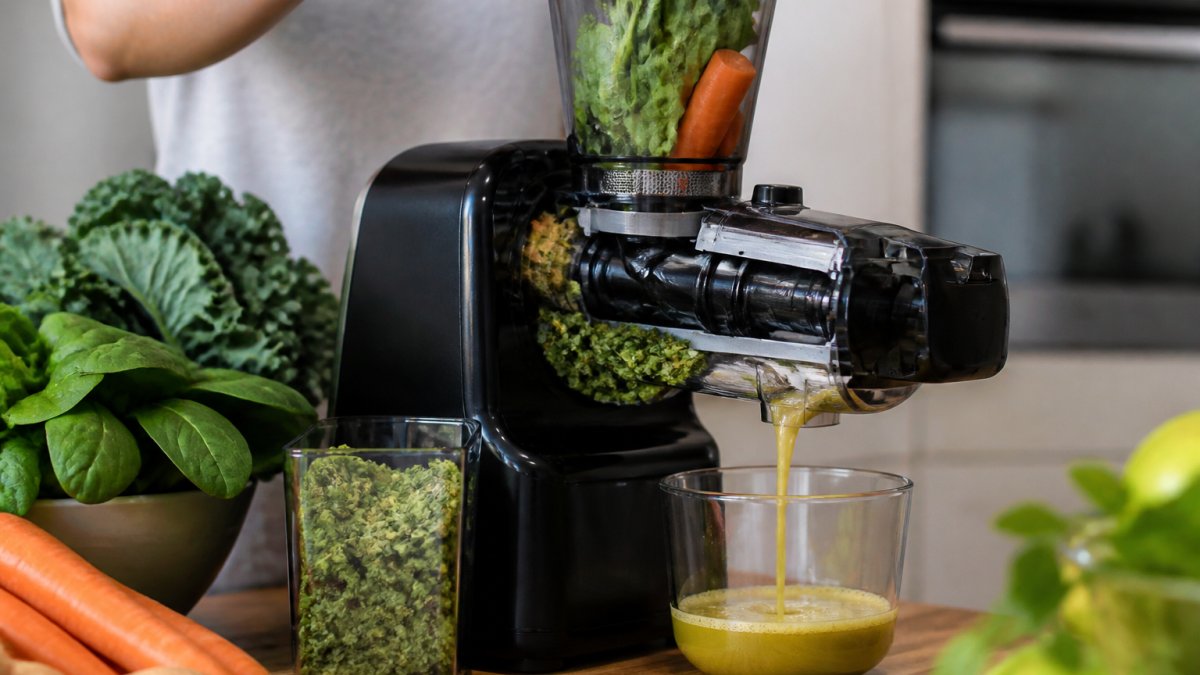
Cold-Pressed Juicer Mechanism: Auger and Hydraulic Pressure
A cold-pressed juicer uses a slow-turning auger (a spiral screw) that grinds produce into pulp, then presses it under hydraulic pressure to extract every drop. The auger rotates at 40-80 RPM, generating minimal heat, hence the "cold" name.
Step-by-step: produce enters a chamber where the auger crushes it against a screen, and the pulp is forced through a fine mesh filter under pressure, separating liquid from solids. Most cold-pressed juices take 3-5 minutes per batch, but the yield and nutrient retention justify the wait.
Centrifugal Juicer Mechanism: High-Speed Blade and Mesh Filter
A centrifugal juicer uses a fast-spinning blade (typically 3,000-10,000 RPM) to shred produce, and centrifugal force pushes liquid through a mesh filter while solids collect at the bottom. It's fast, loud, and done in seconds.
The speed is both the appeal and the limitation. Centrifugal juicers excel at hard produce like apples and carrots and are affordable and simple to operate, but the high-speed spinning generates heat and introduces air, accelerating oxidation and affecting flavor and nutrient stability.
Cold-Pressed Juice vs Regular Juice: Nutrient and Quality Differences
The distinction between cold-pressed juice and centrifugal juice matters most when you care about what's in your glass, but this is also where the loudest claims are least supported, so it's worth separating what's established from what's unproven.
What the evidence actually supports
Three things are consistently observed and easy to reason about from the mechanics:
- Yield and solids. Slow pressing leaves drier pulp, so more liquid ends up in the glass, a physical outcome, not a health claim.
- Air exposure. Centrifugal juicers whip air into the juice, creating foam and dissolved oxygen, which means faster browning and separation.
- Heat exposure. Friction from a blade spinning at several thousand RPM warms the juice slightly, real but modest, and not the same as pasteurization.
What is often overstated
Marketing copy often claims cold-pressed juice "preserves enzymes" or "keeps nutrients alive." Be skeptical:
- Enzymes. Stomach acid and digestive proteases denature dietary enzymes regardless of how juice was made, so enzyme preservation isn't a meaningful benefit.
- "Living" nutrients. Vitamins aren't alive. Some (notably vitamin C and certain B vitamins) are sensitive to heat and oxygen, so lower exposure plausibly means better retention, how much depends on the produce, machine, and how long the juice sits.
- Head-to-head studies. Rigorous comparisons in real kitchen conditions are scarce; most claims trace to manufacturer testing or small studies. Treat specific percentage retention figures as unverified unless the methodology is published.
A practical way to think about it
Cold-pressed extraction is gentler on heat- and oxygen-sensitive compounds, and that advantage is largest for juice you drink hours later. Drink a carrot juice within ten minutes and the gap is small; juice a green blend Sunday and drink it Tuesday and the gap is much larger, mostly from oxidation.
Texture, foam, and separation
The texture difference is immediate. Cold-pressed juice is smooth and dense with little foam; centrifugal juice is foamier, lighter, and separates within hours as pulp settles. Cold-pressed stays homogeneous longer because pressing introduces no air pockets. Preferences vary, but many report cold-pressed tastes richer and more concentrated.
Juice Yield and Extraction Efficiency: Which Juicer Produces More
When comparing a cold-pressed vs centrifugal juicer, cold-pressed models extract more juice from the same produce. Hydraulic pressure squeezes out every drop, leaving drier, more compact waste, typically 10-15% more juice than a centrifugal model processing identical produce.
Over a month of daily juicing, that 10-15% difference adds up: less produce for the same juice, lower cost, less waste. Centrifugal juicers trade yield for speed, fair if you prioritize convenience.
Produce type matters too. Hard fruits and vegetables (carrots, apples, beets) juice efficiently in both machines. Leafy greens and soft fruits show the biggest gap: cold-pressed extracts significantly more, while centrifugal models struggle with anything lacking firm structure.
Best Juicer for Leafy Greens: Cold-Pressed Performance vs Centrifugal Speed
If you juice leafy greens regularly, this matters. Centrifugal juicers are poor at spinach, kale, wheatgrass, and herbs, the spinning blade can't grip soft leaves, which slip past and end up largely unjuiced in the waste bin. Many people wrap greens around harder produce to force them through, defeating the purpose.
Cold-pressed juicers handle leafy greens with ease: the auger crushes them thoroughly and hydraulic pressure extracts every drop, whether pure greens or mixed with harder produce. This is one of the clearest performance gaps between the technologies.
For nutrient-dense green juices, a cold-pressed juicer is the practical choice, many people who start with centrifugal models eventually upgrade specifically to handle greens better.
Centrifugal Juicer Pros and Cons: Speed, Cost, and Limitations
Centrifugal juicers have genuine advantages: most produce juices in 30-60 seconds, quality models cost well below cold-pressed options, and they're simple to use with little prep. For occasional fresh juice without complexity, a centrifugal juicer delivers.
The trade-offs are real: they're loud (80+ decibels), generate heat and introduce air, struggle with leafy greens and soft fruits, clog easily with fine particles, and oxidize quickly, so drink immediately rather than store.
For busy professionals grabbing a quick juice, speed and simplicity matter more than perfect nutrient retention. For those building a routine around leafy greens or storing juice for later, the limitations frustrate.
Cold-Pressed Juice Shelf Life and Storage: How Long Does Fresh Juice Last
Cold-pressed juice lasts longer than centrifugal because it contains less air and oxidizes more slowly. Stored airtight in the refrigerator, it typically stays fresh 3-5 days, sometimes up to a week depending on the produce mix and storage conditions.
Centrifugal juice should be consumed within 24 hours: oxidation during extraction accelerates degradation, and higher air content speeds separation and flavor loss.
For both types: use airtight glass containers, store at the back of the refrigerator where it's coldest, and avoid light. Some freeze cold-pressed juice in ice cube trays, which extends storage significantly but may slightly affect texture when thawed.
Cost of Ownership and Real-World Value
Upfront price is the least useful number for deciding between these machines. Total cost of ownership determines whether a juicer was a good buy, breaking into five line items: purchase price, replacement parts, cleaning supplies, produce consumption, and cost per serving.
Purchase price
Quality centrifugal juicers run about $100 to $400. Cold-pressed (slow masticating and triturating) juicers start around $200 to $400 for entry-level models and climb past $2,000 for high-end or commercial-grade units. The price gap is why most people start with centrifugal.
Replacement parts and maintenance
This is where the categories diverge in ways the sticker price hides:
- Centrifugal juicers rely on a fast-spinning blade and fine mesh filter basket. The blade dulls, and the basket clogs, warps, or tears. Expect periodic blade or basket replacement, with the motor limiting lifespan, commonly 5 to 7 years of regular use before repair becomes uneconomical.
- Cold-pressed juicers have fewer high-wear consumables. The auger and screen wear slowly, and many owners report 10 or more years with basic care. Some brands sell replacement augers, screens, and gaskets individually, extending life further.
Cleaning supplies and time
Cleaning cost is usually underestimated because it's paid in time, but it has a dollar component:
- Centrifugal juicers need their mesh basket scrubbed promptly or pulp dries into the holes. A stiff brush is mandatory, and some owners replace brushes a few times a year.
- Cold-pressed juicers have more parts to disassemble but fewer fine holes to scrub, and many parts are dishwasher-safe.
Either way, budget for a cleaning brush and accept that cleanup is a recurring time cost.
Produce consumption and cost per serving
The yield difference is where cold-pressed juicers earn back part of their price: roughly 10 to 15 percent more juice from the same weight of produce, with the gap largest for leafy greens and soft fruit, meaning less produce per glass.
To run the math yourself: weigh your produce, juice it, and weigh the pulp. The difference between input and pulp weight, minus a small allowance for what clings to the machine, is your yield.
Run this test once with each machine using the same recipe and produce weights. Record juice volume in ounces, wet pulp weight in ounces, and total produce cost.
A simple break-even framework
You don't need a spreadsheet. Ask three questions:
- How often will you juice? Occasional juicers rarely recoup a cold-pressed machine's price through yield alone; daily juicers often do.
- What will you juice? Mostly carrots, apples, and beets means both perform well and the yield gap is smaller; greens mean the cold-pressed advantage matters financially.
- How long will you keep it? A cold-pressed juicer lasting 10 years and a centrifugal lasting 6 have very different costs per year, even before produce savings.
Juice occasionally and centrifugal makes financial sense; juice daily or focus on leafy greens and the long-term value of cold-pressed becomes clear. The calculation depends on your habits and how much you value juice quality.
Which Juicer Should You Choose
The right choice depends on what you plan to juice, how often you'll use it, and what matters most to you.
Choose a centrifugal juicer for speed and affordability, if you mainly juice hard fruits and vegetables, don't mind drinking juice immediately, and have limited counter space, the practical choice for occasional juicers who prioritize convenience.
At Roxberry Juice Co., we use cold-pressed extraction for our fresh-pressed juices. Whether you're choosing home equipment or evaluating juice quality when you visit us, understanding these differences helps you make informed decisions about what goes into your body.
The choice between a cold-pressed juicer and a centrifugal juicer ultimately reflects your priorities. When you're ready to experience the difference fresh-pressed juice can make, visit Roxberry Juice Co. to discover our locally-sourced, 100% natural cold-pressed juices crafted to restore digestion, increase energy, and improve mental clarity.
| Juicer Type | Speed | Juice Yield | Leafy Green Performance | Shelf Life | Best For |
|---|---|---|---|---|---|
| Cold-Pressed | 3-5 min | High (10-15% more) | Excellent | 3-5 days | Quality-focused daily juicing |
| Centrifugal | 30-60 sec | Standard | Poor | 24 hours | Quick occasional juicing |
Frequently Asked Questions
Does cold-pressed juice retain more nutrients than centrifugal juice?
Cold-pressed juicers generate minimal heat during extraction. Centrifugal juicers spin at high RPM (up to 16,000), creating friction that generates heat and oxidation, potentially affecting some nutrients. Both types lose nutrients over time during storage.
What is the difference between cold-pressed and centrifugal juicing?
Cold-pressed juicers use an auger to crush produce slowly, then apply hydraulic pressure to extract juice, operating at low RPM. Centrifugal juicers use a high-speed spinning blade and mesh filter to separate juice from pulp in seconds. Cold-pressed is slower but yields more juice and preserves more nutrients; centrifugal is faster and cheaper but generates heat and produces more foam and pulp in the juice.
Which type of juicer produces more juice?
Cold-pressed juicers extract significantly more juice from the same amount of produce. Centrifugal juicers are faster but leave more moisture in the pulp, making them less efficient for high-volume production.
How long does fresh juice last after juicing?
Cold-pressed juice lasts 3-5 days when refrigerated immediately, thanks to lower oxidation during extraction. Centrifugal juice typically lasts 24 hours because the high-speed process introduces more oxygen and heat, accelerating nutrient degradation and separation. Freshly pressed juice begins losing nutrients immediately; refrigerate promptly to extend shelf life.