 Listicle
Which Anti-Inflammatory Breakfast Helps Digestion Most?
Quick Summary
The best anti-inflammatory breakfast for digestion pairs fiber with protein or healthy fat, such as overnight oats with berries and chia, or a veggie egg scramble with greens. Anti-inflammatory diets center on fruits, vegetables, whole grains, and nuts, and most of these breakfasts draw on those foods.
- Balance high-fiber foods with protein or healthy fat instead of sugary juice.
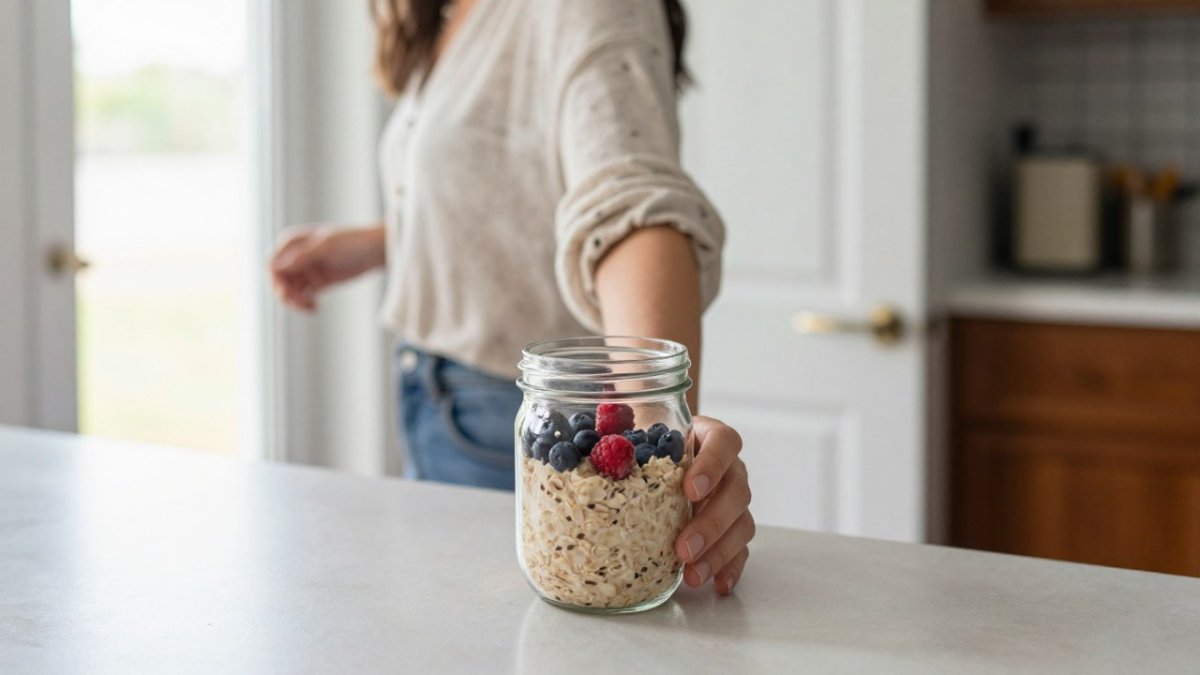
- Overnight oats with berries and chia need no cooking and can be made in a jar the night before.
- Add fiber gradually over two to three weeks to avoid gas and bloating.
- Overnight oats and chia pudding stay fresh in sealed containers for about 3 to 4 days.
Table of Contents
- Why Breakfast Choices Matter for Digestion
- Anti-Inflammatory Breakfast Foods to Build Your Meals Around
- Easy Anti-Inflammatory Breakfast Recipes for Digestion
- Quick Anti-Inflammatory Breakfast Recipes for Busy Mornings
- Ramping Up Fiber Without Digestive Discomfort
- Make-Ahead, Storage and Reheating Tips
- Start Tomorrow Morning with a Roxberry Smoothie or Bowl
- Frequently Asked Questions
Why Breakfast Choices Matter for Digestion
Last Updated: November 14, 2026
Breakfast sets the tone for how your digestive system handles the rest of the day. Many people reach for refined carbs or sugary drinks first thing, then wonder why they feel bloated by lunch.
A 2024 review published through Overview of anti-inflammatory diets and their promising effects describes anti-inflammatory diets as built around foods such as fruits, vegetables, whole grains, and nuts. Those same categories make up most of the breakfast ideas below.
Anti-inflammatory eating is a dietary pattern built on whole, minimally processed foods that may help calm inflammation in the body.
Anti-Inflammatory Breakfast Foods to Build Your Meals Around
The most useful anti-inflammatory breakfast foods are familiar ones. Berries, oats, chia seeds, leafy greens, eggs, plain yogurt, and avocado all fit well into a morning routine.
Berries and whole grains are a strong starting point. Visit our anti-inflammatory foods guide for bloating for a deeper, food-by-food breakdown.
Leafy greens such as spinach and kale work well blended into a smoothie or folded into eggs. Avocado adds healthy fats that slow digestion and keep you satisfied.
Watch out: pairing a high-fiber breakfast with a large glass of sugary juice can leave you feeling bloated. Balance fiber with protein or healthy fat instead.
Easy Anti-Inflammatory Breakfast Recipes for Digestion
These two recipes are simple, need little cooking, and use the foods described above. Each one is written for a single serving with timing, approximate nutrition, and labeled swaps, so you can adapt it to your own preferences.
Overnight Oats with Berries and Chia
Makes 1 serving. Prep time: 5 minutes. Chill time: at least 6 hours or overnight.
Combine 1/2 cup rolled oats, 1 tablespoon chia seeds, and 3/4 cup unsweetened plant or dairy milk in a jar. Stir in 1/2 cup fresh or frozen berries, cover, and refrigerate overnight. In the morning, stir in 1/3 cup plain yogurt for extra protein.
Approximate per serving with unsweetened soy milk and plain nonfat yogurt: 380 calories, 15 g protein, 10 g fiber. Fiber and protein vary by brand, so check labels if you are tracking.
Why it fits the goal: the oats supply soluble fiber, chia adds fiber and omega-3 fats, and berries add antioxidants and sweetness so you can skip added sugar.
- Lactose intolerance: use unsweetened lactose-free milk and a lactose-free or plant-based yogurt, or omit the yogurt and add 1 tablespoon of hemp seeds for protein.
- Gluten sensitivity: use certified gluten-free oats, since standard oats are often cross-contacted with wheat.
- Sensitive to high fiber: start with 1 teaspoon of chia instead of 1 tablespoon and build up over a week or two.
- Lower added sugar: skip honey and jam entirely; the berries carry the sweetness.
Veggie Egg Scramble with Greens
Makes 1 serving. Cook time: about 7 minutes.
Whisk 2 eggs with 1 tablespoon of water. Cook 1 cup loosely packed spinach and 1/4 cup diced bell pepper in 1 teaspoon of olive oil over medium heat until the spinach wilts and the pepper softens, about 3 minutes. Pour in the eggs and stir gently over medium-low heat until just set, about 2 minutes.
Approximate per serving: 320 calories, 16 g protein, 4 g fiber. Cooking the vegetables until soft makes them a gentle option, and the avocado adds fat that helps keep the meal filling.
- Lactose intolerance: this recipe is already dairy-free; skip any cheese you might otherwise add.
- Gluten sensitivity: this recipe is naturally gluten-free; check that any bread served alongside is certified.
- Egg sensitivity: swap in 1/2 cup firm tofu crumbled into the pan and cook until lightly browned.
- Lower-fat option: use a nonstick pan and 1 teaspoon of oil, or cooking spray.
Watch out: reheated eggs turn rubbery and are a food-safety risk if cooled slowly, so cook this one fresh and prep only the vegetables ahead.
If you want a third option without cooking, a smoothie or chia pudding from the next section follows the same formula: fiber plus produce plus a protein source.
Quick Anti-Inflammatory Breakfast Recipes for Busy Mornings
When time is short, a smoothie or a make-ahead jar keeps your breakfast on track. Both of the options below take under 5 minutes of hands-on work and can be assembled the night before.
Green Berry Smoothie
Makes 1 serving (about 16 ounces). Prep time: 4 minutes.
Blend 1 cup loosely packed spinach, 1 frozen banana, 1 cup frozen berries, 1 tablespoon ground flaxseed, and 1 cup water or unsweetened milk until smooth. Add 1/2 cup plain yogurt or 1/2 cup silken tofu for protein, and blend again.
Approximate per serving with unsweetened soy milk and tofu: 340 calories, 14 g protein, 9 g fiber.
- Lactose intolerance: use unsweetened lactose-free milk and lactose-free yogurt, or keep the tofu version, which is dairy-free.
- Gluten sensitivity: all ingredients here are naturally gluten-free; check the flaxseed and any protein powder labels.
- Sensitive to high fiber: use 1/2 cup berries and 1 teaspoon flaxseed at first, and drink the smoothie slowly rather than gulping it.
- Lower added sugar: skip juice as the base; water or unsweetened milk keeps added sugar at zero.
Chia Seed Pudding
Makes 1 serving. Prep time: 3 minutes. Chill time: at least 4 hours or overnight.
Mix 3 tablespoons chia seeds with 1 cup unsweetened milk and 1/2 cup mashed or chopped berries in a jar. Stir well, wait 5 minutes, and stir again to break up clumps. Refrigerate at least 4 hours. It keeps in a sealed container in the refrigerator for up to 4 days, which makes it practical for busy weekdays.
Approximate per serving with unsweetened soy milk: 300 calories, 11 g protein, 14 g fiber.
- Lactose intolerance: use unsweetened lactose-free or plant milk.
- Gluten sensitivity: chia is naturally gluten-free; check labels on flavored milks.
- Sensitive to high fiber: start with 1 tablespoon of chia and 3/4 cup milk, then increase over a couple of weeks.
- Lower added sugar: mash the berries instead of adding honey or syrup.
Watch out: chia pudding thickens as it sits, so if it becomes too firm after a few days, stir in 1 to 2 tablespoons of milk before eating.
A Simple Mix-and-Match Formula
Once you have these two templates, you can rotate them without a recipe:
- Base: 1/2 cup rolled oats, 3 tablespoons chia seeds, or 1 cup frozen fruit for a smoothie.
- Liquid: 3/4 to 1 cup unsweetened milk or water.
- Produce: 1/2 to 1 cup berries, plus a handful of spinach or 1/4 avocado.
- Protein: 1/3 to 1/2 cup plain yogurt, 1/2 cup silken tofu, or 1 tablespoon hemp seeds.
- Seed or nut: 1 tablespoon ground flaxseed, chia seeds, or chopped walnuts.
A common pattern is to prep two jars of oats or chia pudding on Sunday and Wednesday, then blend a smoothie on the mornings in between. That gives you a week of breakfasts with about 15 minutes of total prep.
Fiber Ramp-Up and Hydration
All of these options are fiber-rich, and increasing fiber too quickly can cause gas and bloating. Add one fiber-rich serving per day for the first week, then a second in week two, and drink water with and between meals, because fiber needs fluid to move smoothly through the digestive tract. If a new food causes discomfort, reduce the portion and increase it again more slowly. Consistency matters more than a large amount of fiber on a single day.
Make-Ahead and Storage Notes
Overnight oats and chia pudding stay fresh in the refrigerator for about 3 to 4 days in sealed containers. Smoothies are best blended fresh, but you can portion the fruit and greens into freezer bags ahead of time and dump one bag into the blender. Discard any jar that has been out of the refrigerator for more than 2 hours.
Ramping Up Fiber Without Digestive Discomfort
Increasing fiber too quickly can cause gas and bloating. Add fiber-rich foods gradually over two to three weeks, starting with one serving per day, such as a half cup of berries or a few tablespoons of chia seeds. Drink water throughout the day, because fiber needs fluid to move smoothly through the digestive tract.
Pay attention to how your body responds. If a new food causes discomfort, reduce the portion and increase it again more slowly. Consistency matters more than a large amount of fiber on a single day.
Make-Ahead, Storage and Reheating Tips
Overnight oats and chia pudding are the easiest make-ahead options, and both stay fresh in the refrigerator for about three to four days in sealed containers. Egg scrambles are best cooked fresh, but you can prepare the vegetables in advance and store them in the refrigerator for up to two days. Our guide to fermented foods for digestion covers which options suit a sensitive gut.
When reheating oats, add a splash of liquid to restore their texture. Avoid reheating eggs more than once, and discard any leftovers that have been out of the refrigerator for more than two hours.
Here is a quick reference for how long each breakfast keeps and how to handle it.
| Breakfast | Storage time | Key tip |
|---|---|---|
| Overnight oats | 3-4 days, sealed | Refrigerate in a sealed container |
| Chia pudding | Up to 4 days, sealed | Add 1-2 tbsp milk if it thickens |
| Egg scramble | Cook fresh | Prep vegetables up to 2 days ahead |
| Leftovers | Discard after 2 hours out | Do not reheat eggs more than once |
Start Tomorrow Morning with a Roxberry Smoothie or Bowl
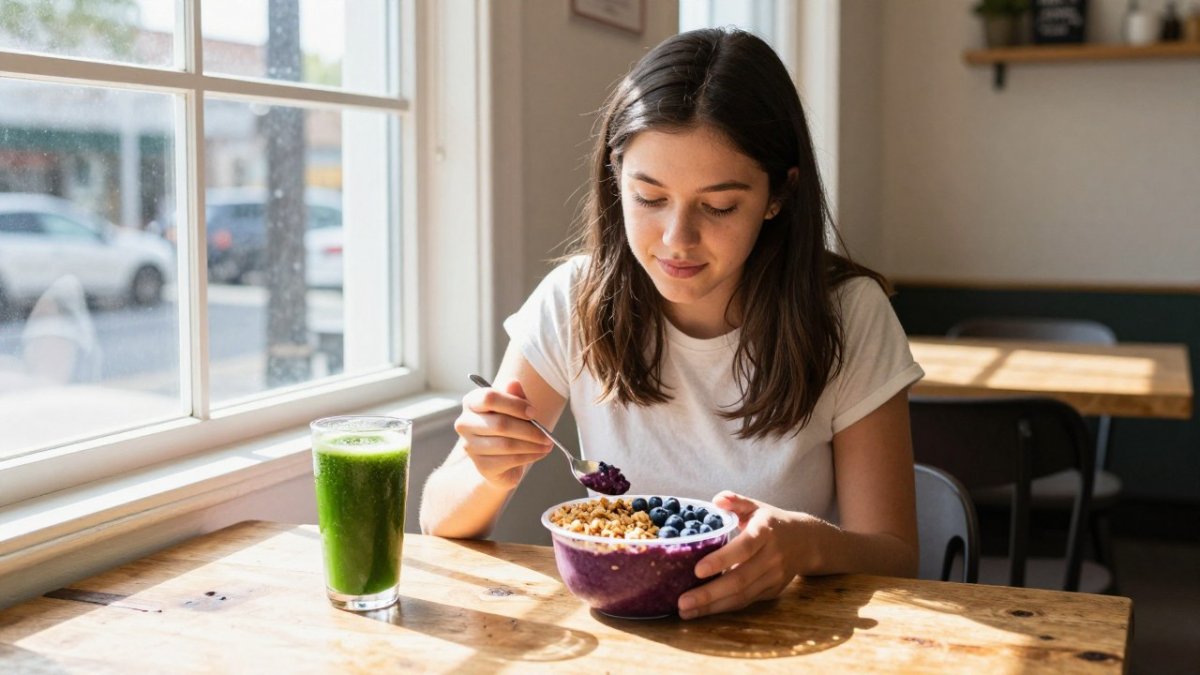
If you want an anti-inflammatory breakfast without the prep, Roxberry Juice Co. offers smoothies blended to order and açaí bowls topped with our signature Roxberry Granola. Our drinks are made from real fruits and vegetables. Our locally owned stores are designed for busy mornings, and you can check our smoothie and bowl menu before you head out.
Start tomorrow with a breakfast made to your taste.
Frequently Asked Questions
What can I eat for breakfast that won't cause inflammation?
Breakfasts built around whole foods tend to be the easiest starting point. Oats, berries, chia seeds, leafy greens like spinach and kale, avocado, eggs and plain unsweetened yogurt are all common in anti-inflammatory breakfast recipes. Pairing fiber with a healthy fat or protein keeps the meal filling and steady. Limiting added sugar and highly processed breakfast foods also helps. Individual responses vary, so if a food seems to upset your stomach, swap it for another option and keep notes for a few weeks.
Can oatmeal be part of an anti-inflammatory breakfast?
Yes. Oats are a whole grain and a source of soluble fiber, which is a common part of balanced breakfasts. To keep oatmeal in line with an anti-inflammatory approach, choose plain rolled or steel-cut oats instead of flavored instant packets, and top them with berries, chia seeds, flaxseed or a spoonful of nut butter. Cooking apples or pears into the oats is another gentle option for people who find raw fruit harder to digest. Starting with a small portion and increasing gradually helps your gut adjust.
What are some quick anti-inflammatory breakfasts for busy mornings?
Chia seed pudding made the night before, overnight oats with berries, avocado toast topped with a sliced egg, and a smoothie with spinach, berries and plain yogurt can all be assembled in about five minutes. Many people prepare two or three portions on Sunday and store them in the refrigerator. A Roxberry smoothie or açaí bowl can also work when you need something ready to take with you, and pricing depends on size and customization, so check the Roxberry Juice Co. website for current prices.
Which breakfast foods are gentle on digestion?
Foods that are cooked until soft, such as oatmeal, scrambled eggs, sautéed greens and stewed fruit, are often easier on the stomach than large raw salads first thing in the morning. Plain yogurt, bananas and peeled pears are other options many people tolerate well. Introducing high-fiber foods like beans, lentils and chia gradually, along with enough water, is a common approach. If you have a diagnosed digestive condition, a registered dietitian or your doctor can tailor these suggestions to your needs.