 blog
blog
Probiotics vs Prebiotics for Digestion Benefits
Table of Contents
- Probiotics vs Prebiotics: How Each Supports Your Digestion
- Probiotic Foods for Digestion: Where to Find Live Cultures
- Prebiotic Foods for Gut Health: Feeding Your Good Bacteria
- How Long Do Probiotics Take to Work for Digestive Relief?
- Probiotics and Prebiotics Together: Why Synbiotics Matter
- Side Effects, Cautions, and Who Should Talk to a Doctor First
- Frequently Asked Questions
Last Updated: October 4, 2026
Probiotics vs Prebiotics: How Each Supports Your Digestion
Probiotics vs prebiotics comes down to one simple distinction: probiotics are live beneficial bacteria, while prebiotics are the fiber that feeds them. Both support digestion, but they do different jobs. This guide from Roxberry Juice Co. breaks down how each one works, where to find them in real food, and how to build a routine that actually lasts. If you have ever stood in a grocery aisle wondering which bottle or box deserves your money, the answer is less complicated than the labels suggest.
Probiotics are live microorganisms that add to the bacteria already living in your intestinal tract. Prebiotics are types of dietary fiber that your body cannot digest, so they pass through to the colon and become food for gut bacteria.
The two are not competitors. They are teammates, and the research community increasingly studies them together. According to the International Scientific Association for Probiotics and Prebiotics, a healthy gut microbiome depends on both bacterial diversity and the fuel that sustains it.
Here is the part most guides skip: neither one is a quick fix. Results depend on your starting point, your diet, and how consistently you show up.
| Factor | Probiotics | Prebiotics |
|---|---|---|
| What it is | Live beneficial bacteria | Fermentable fiber |
| Main job | Add to gut bacteria | Feed gut bacteria |
| Found in | Yogurt, fermented foods | Whole grains, fruits, vegetables, legumes |
| Best for | Restoring microbial balance | Nourishing existing bacteria |
| Watch out for | Strain-specific effects | Gas and bloating if you ramp up fast |
Probiotic Foods for Digestion: Where to Find Live Cultures
The best sources of probiotic foods are fermented items that still contain live cultures. Yogurt with active cultures, kefir, fermented vegetables, and miso are common examples. The key word is "live," because processing can strip a product of its beneficial bacteria before it reaches your fridge.
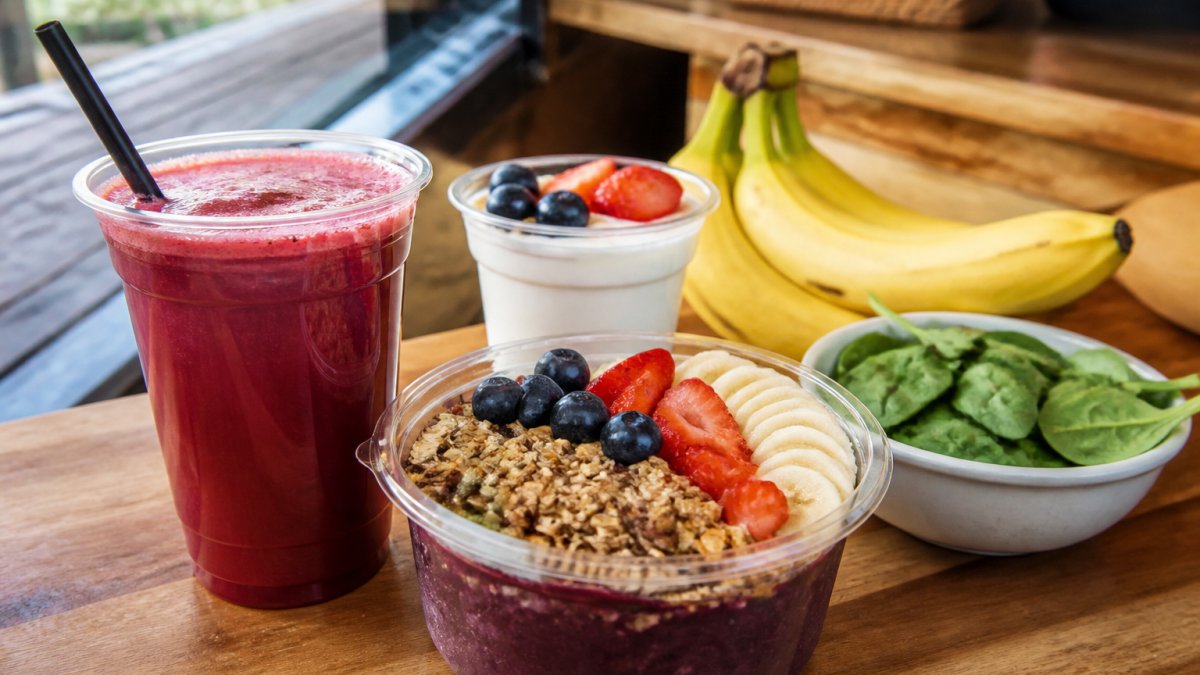
A common mistake is assuming every yogurt counts. Many shelf-stable varieties are heat-treated after fermentation, which kills the cultures. Check the label for "live and active cultures" before you buy.
What to look for on a probiotic food label
Food labels are less standardized than supplement labels, so a few habits help:
- Strain names, not just "probiotics." Look for a genus, species, and strain code, such as Lactobacillus rhamnosus GG or Bifidobacterium animalis subsp. lactis BB-12. A label that says only "live cultures" tells you almost nothing about what you are getting.
- CFU counts. CFU stands for colony-forming units, the standard way to count live microbes. Fermented foods rarely list a CFU count, but many probiotic supplements do. Common ranges on supplement labels run from a few billion to tens of billions of CFU per serving. More is not automatically better; the strain and the condition matter more than the raw number.
- Storage instructions. Some products are shelf-stable, others require refrigeration. Follow the label, because heat and time reduce live counts.
- "Live and active cultures" seal. For yogurt, this phrase indicates the product met a defined live-culture threshold at the time of manufacture.
Food sources at a glance
- Yogurt with live and active cultures
- Kefir, a fermented milk drink that typically contains a broader mix of bacteria and yeasts than yogurt
- Fermented vegetables such as sauerkraut and kimchi, when unpasteurized
- Miso and other fermented soy products
- Tempeh, a fermented soybean cake
- Kombucha, a fermented tea (check whether it is pasteurized)
For people who do not eat dairy, plant-based options exist, though the strain list matters more than the marketing on the front of the package. Different strains support digestion in different ways, and a product that works for one person may do very little for another. That individual response is normal, not a sign that probiotics are useless.
Prebiotic Foods for Gut Health: Feeding Your Good Bacteria
Prebiotic foods for gut health are fiber-rich foods that nourish the bacteria already living in your digestive system. Whole grains, fruits, vegetables, and legumes top the list. Think oats, bananas, onions, garlic, asparagus, and beans. These foods contain fermentable fiber that gut bacteria break down and turn into compounds your intestinal lining uses.
The compounds doing the work
Not all fiber is prebiotic. The ones most studied include:
- Inulin and fructo-oligosaccharides (FOS), found in chicory root, Jerusalem artichoke, garlic, onion, leeks, and asparagus.
- Galacto-oligosaccharides (GOS), found in legumes such as beans, lentils, and chickpeas, and added to some infant formulas.
- Resistant starch, found in cooked-and-cooled potatoes, green bananas, and cooked-and-cooled rice and pasta.
- Beta-glucan, found in oats and barley.
- Pectin, found in apples, citrus, and carrots.
These compounds resist digestion in the small intestine and reach the colon, where bacteria ferment them into short-chain fatty acids such as butyrate, acetate, and propionate. Butyrate is the primary fuel for colon cells, which is one reason fiber-rich eating is linked to digestive regularity.
A practical food-first plan
The goal is variety, not volume. A simple weekly pattern:
- Daily base: one whole grain (oats, barley, or whole wheat) and one fruit with skin or pulp.
- Most days: a legume, beans, lentils, or chickpeas.
- Several times a week: an allium (onion, garlic, leek) and a cruciferous or stalk vegetable (asparagus, broccoli).
- Rotate: swap in cooked-and-cooled potatoes or rice for resistant starch.
For different diets:
- Low-FODMAP or IBS: many high-inulin foods are also high-FODMAP. Work with a dietitian to find tolerated sources rather than cutting fiber broadly.
- Gluten-free: oats labeled gluten-free, plus legumes, fruits, and vegetables, cover the same ground.
- Plant-based: legumes and whole grains do double duty as protein and prebiotic fiber.
How Long Do Probiotics Take to Work for Digestive Relief?
Most people notice changes in stool consistency, stool frequency, or bowel regularity within one to four weeks of consistent use. Some feel a difference sooner. Others need longer, and some never respond to a given strain.
That range frustrates people, but it reflects how the gut works. Your microbiome is a living ecosystem, and shifting it takes time. A supplement or food that helps one person's digestion may do nothing for the next, because the bacterial population you start with shapes the outcome.
Realistic expectations matter here. If you have a diagnosed condition like IBS, probiotics may ease some symptoms but rarely resolve everything. Talk to your doctor before treating a medical issue with food alone. Patience remains essential during this process, as understanding the probiotic effectiveness timeline helps manage the frustration of waiting for noticeable digestive improvements.
Probiotics and Prebiotics Together: Why Synbiotics Matter
Probiotics and prebiotics together are often called synbiotics, and the pairing is where the real payoff tends to show up. The logic is straightforward: you add beneficial bacteria and simultaneously give them food to survive on. That combination may help more of the bacteria establish themselves in the intestinal tract.
Some evidence suggests synbiotic combinations support digestion better than either alone, though results vary by strain and fiber type. The Cleveland Clinic's overview of probiotics and prebiotics notes that food-first approaches remain the simplest starting point for most people.
A simple daily pattern works well:
- Morning: yogurt or a fermented food with live cultures
- Afternoon: a fiber-rich snack like fruit or whole grains
- Evening: vegetables and legumes at dinner
- Weekly: rotate your plant sources so bacterial diversity grows
Side Effects, Cautions, and Who Should Talk to a Doctor First
Gas, bloating, and mild stomach discomfort are the most common side effects of both probiotics and prebiotics, especially in the first week. These usually fade as your gut adjusts. If they do not, cut back and rebuild more slowly.
Some people should talk to a doctor before starting either. That includes anyone who is immunocompromised, has a serious underlying condition, is pregnant, or is caring for an infant. People with IBS or other diagnosed digestive disorders should get medical advice rather than self-treating.
When choosing a supplement, look for the specific strains listed, a CFU count on the label, and a manufacturer that publishes third-party testing. Avoid products that promise vague "digestive support" without naming what is inside. The FDA's guidance on dietary supplements explains that supplements are regulated differently from medications, so label transparency matters more, not less.
Building a gut-health routine that lasts is less about finding one miracle product and more about consistency. That is where Roxberry Juice Co. comes in. Our 100% natural, fresh-pressed juices and smoothies blended to order make it easy to work real fruits and vegetables into a busy day, whether you need a quick breakfast, a post-workout recovery drink, or a nourishing snack for your kids. With our signature Roxberry Granola on top of an açaí bowl, you get fiber-rich whole foods without the guesswork. Download our app to find your nearest store and start building a routine your gut will thank you for.
Frequently Asked Questions
What is the difference between probiotics and prebiotics?
Probiotics are live beneficial bacteria that add to your gut microbiome, found in fermented foods like yogurt and kefir. Prebiotics are fermentable fibers that feed those bacteria, found in garlic, onions, bananas, and whole grains. Together they support digestive health and microbial balance, but they work in different ways.
Are probiotics or prebiotics better for digestion?
Neither is universally better. Probiotics may help with stool consistency and bowel regularity, while prebiotics nourish existing gut bacteria and support bacterial diversity. Research shows individual response varies by strain, dose, and your starting microbiome. Many people benefit most from combining both in a synbiotic approach.
Can you take prebiotics and probiotics together?
Yes, taking them together is called a synbiotic approach. Prebiotics feed the probiotics you consume, which may help them survive and colonize more effectively. You can combine them through foods like yogurt with banana or kefir with oats, or through a synbiotic supplement. Start slowly to avoid gas and bloating.
How long does it take for probiotics to help digestion?
Most people notice changes in stool consistency, bowel regularity, or bloating within 1 to 4 weeks of consistent use. Some strains may take longer. If you see no improvement after 4 to 6 weeks, the strain or dose may not match your needs. Consult a healthcare provider before long-term use.