 blog
blog
Best Plant Based Snacks for Endurance Athletes in 2026
Table of Contents
- How to Choose Plant Based Snacks for Endurance Athletes
- Plant-Based Pre-Run Snacks for Easy Fueling
- Vegan Snacks for Athletes: Portable Energy Between Sessions
- Energy Snacks for Endurance Athletes During Long Runs
- Vegan Post-Workout Snacks for Faster Recovery
- Homemade vs. Packaged Snacks: Which Works Better?
- Dietary Restrictions and Allergen-Aware Alternatives
- Conclusion
- Frequently Asked Questions
Last Updated: October 17, 2026
How to Choose Plant Based Snacks for Endurance Athletes
The best plant based snacks for endurance athletes share three traits: easily digested carbohydrates, a little protein, and enough sodium to replace what sweat takes.
Most fueling mistakes happen before the first mile.
Below, we'll show you exactly how to match snacks to your training schedule, with carbohydrate targets, electrolyte guidance, and portable options you can grab on the way out the door.
Match Snacks to Timing and Workout Duration
Snack choice should follow the clock, not the label. Short easy runs need little fuel; long efforts need steady carbohydrate intake.
- Under 45 minutes: Water is usually enough. Eat a normal meal beforehand.
- 45-75 minutes: A small, low-fiber carb snack 30-60 minutes before.
- 90 minutes to 2.5 hours: 30-60 grams of carbs per hour during the effort.
The American College of Sports Medicine nutrition guidance supports carbohydrate intake in this range for prolonged exercise. Practice these amounts in training, never on race day.
Carbohydrate Targets and Serving Sizes
Carbohydrate is the fuel that decides how long you last. Endurance athletes generally need 30-60 grams of carbs per hour for sessions lasting one to two and a half hours, and up to 90 grams per hour for longer events.
Here's what that looks like in real food:
| Snack | Carbs (approx.) | Best Timing |
|---|---|---|
| Medium banana | 27 g | 30-60 min pre-run |
| 1 cup cooked quinoa | 39 g | 2-3 hours pre-run |
| 2 tbsp peanut butter + apple | 25 g | 60-90 min pre-run |
| 1/2 cup dried fruit | 45 g | During long runs |
| Small sweet potato | 26 g | Post-workout |
Portions vary by brand and size, so read labels and test what sits well in your stomach.
Plant-Based Pre-Run Snacks for Easy Fueling
Plant-based pre-run snacks should be low in fiber and fat, high in easy carbs, and eaten 30-90 minutes before you start. The goal is quick energy without digestive trouble mid-run.
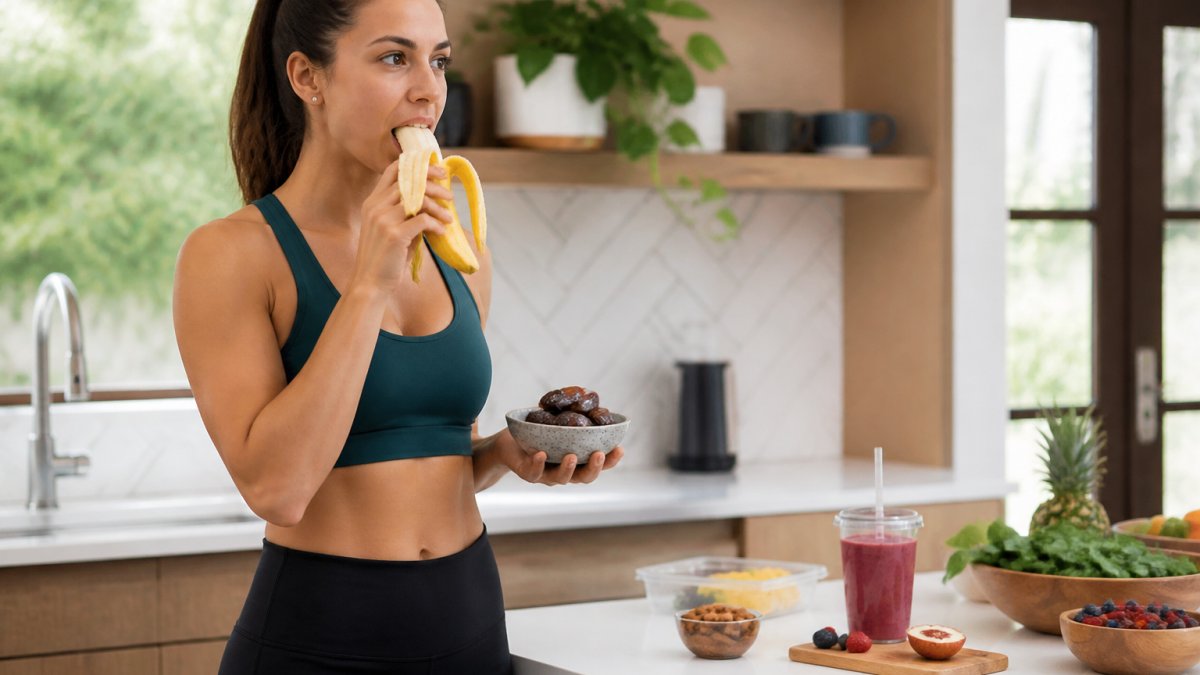
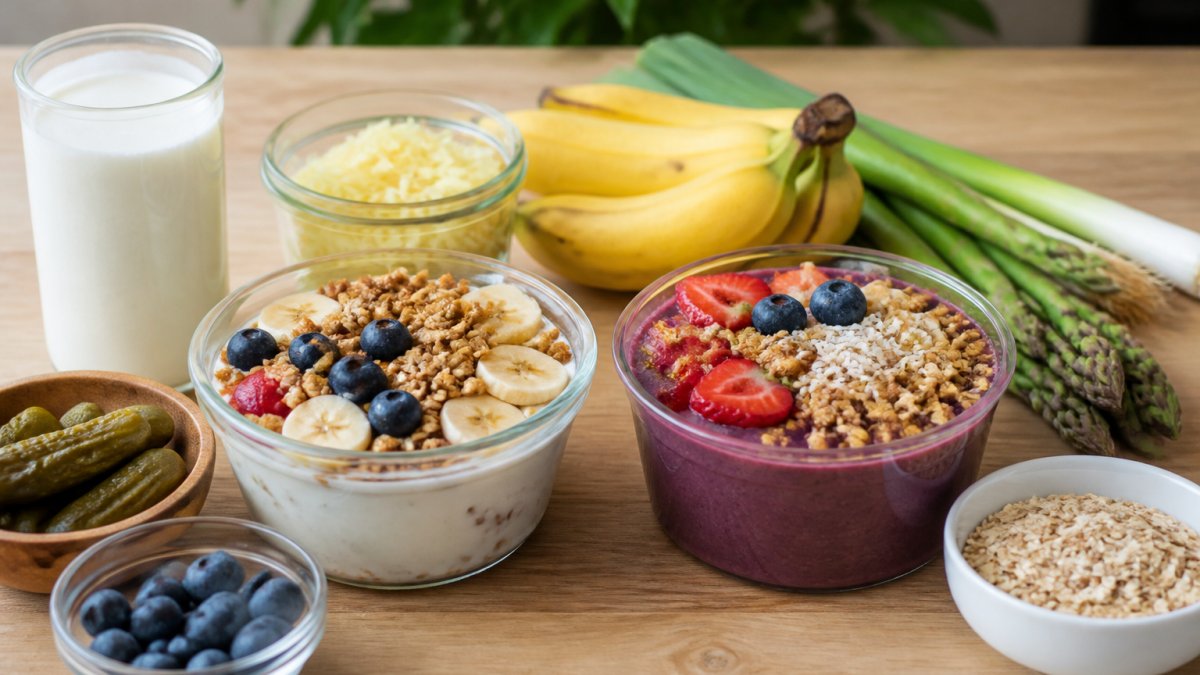
Good choices include a banana, a slice of whole wheat pita with hummus, a small bowl of granola, or a smoothie with soy milk. Keep fat and fiber modest here.
Best Options 30-60 Minutes Before a Run
When you're short on time, reach for fast carbs with almost no fiber:
- Half a banana or one small banana
- A handful of dried fruit
- A small glass of fresh-pressed juice
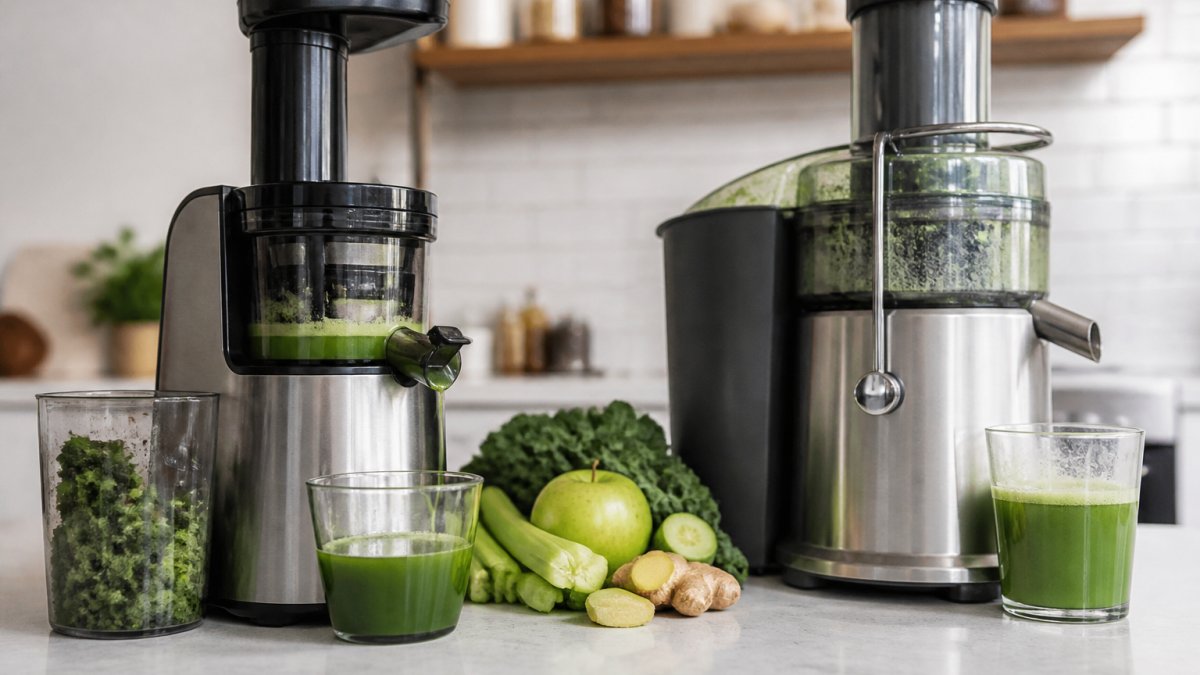
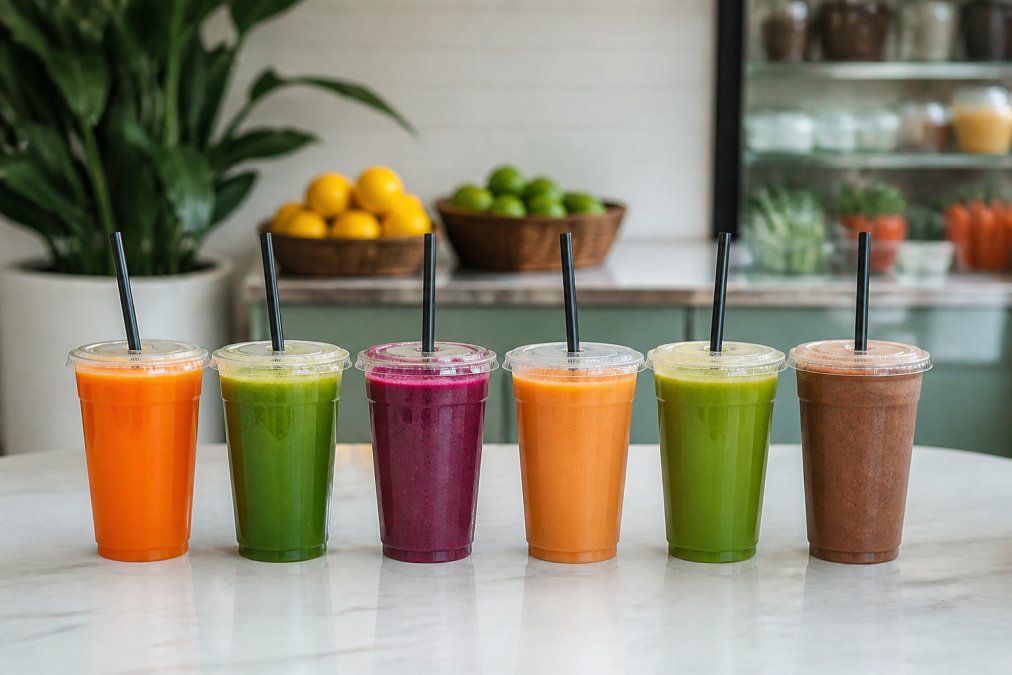
At Roxberry Juice Co., our fresh-pressed juices and smoothies blended to order are a practical pre-run option when you need quick carbohydrate without a heavy meal. Order light on the add-ins before a hard session.
Vegan Snacks for Athletes: Portable Energy Between Sessions
Vegan snacks for athletes need to travel well and hold up in a gym bag. The best portable options combine carbs with a little plant protein so energy stays steady between sessions.
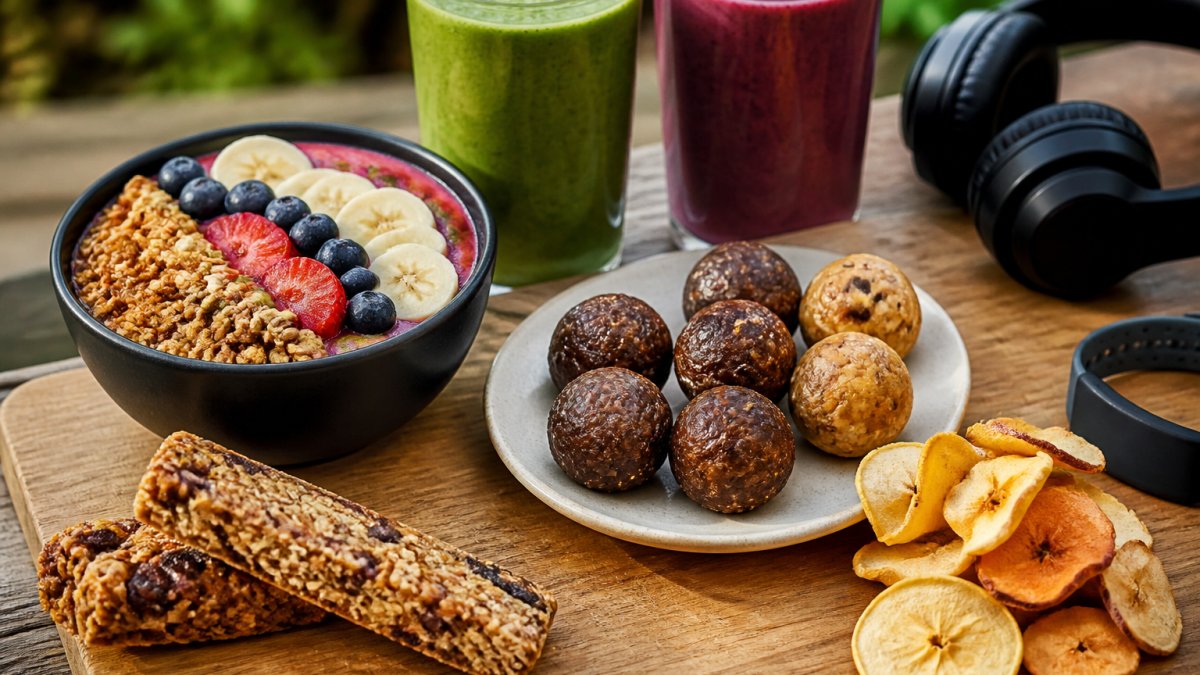
Trail mix, energy bars, roasted edamame, and peanut butter packets all work. So does a container of cooked quinoa mixed with dried fruit. Pack snacks the night before so hunger never pushes you toward whatever is in the vending machine.
Energy Snacks for Endurance Athletes During Long Runs
Energy snacks for endurance athletes during long runs should deliver 30-60 grams of carbs per hour in a form you can chew and swallow while moving. Chews, gels, dried fruit, and small bites of energy bar all fit.
Solid food works well early in a long run. The NCAA sports nutrition guidance notes that athletes should practice race fueling during training to avoid GI distress on event day.
Electrolytes and Sodium for Prolonged Exercise
Sodium is the electrolyte most athletes lose in meaningful amounts through sweat. For sessions beyond 90 minutes, choose salted snacks or a sports drink with sodium rather than plain water alone.
Salted pretzels, salted nuts, and electrolyte tabs are simple options. If you're a heavy or salty sweater, weigh yourself before and after a long run to estimate fluid loss and adjust.
Vegan Post-Workout Snacks for Faster Recovery
Vegan post-workout snacks should combine carbohydrate to refill glycogen with protein to support muscle repair, ideally within an hour of finishing. Aim for roughly 3:1 carbs to protein.
Good combinations: a smoothie with soy milk and banana, an açaí bowl topped with granola, whole wheat pita with hummus, or quinoa with edamame. Roxberry Juice Co. açaí bowls, topped with our signature Roxberry Granola, deliver real fruit carbs and a satisfying finish after a long effort.
Protein Sources for Vegan Athletes
Plant protein needs planning because plant sources are often lower in certain amino acids. Combining foods solves this. Beans, edamame, tofu, tempeh, soy milk, lentils, and quinoa all contribute.
- Soy foods: tofu, tempeh, edamame, soy milk (complete protein)
- Legumes: beans, lentils, chickpeas
- Grains: quinoa, whole wheat pita, oats
Spread protein across the day rather than loading it all into one meal.
Homemade vs. Packaged Snacks: Which Works Better?
The honest answer for endurance athletes is that this isn't a cost question, it's a predictability question. On race day you want a snack that tastes, chews, and digests exactly the same every time. In everyday training you want control over fiber, sodium, and portion size. Most athletes end up using homemade snacks for training and packaged snacks for travel and events, but the reasons are more specific than "convenience."
Where homemade snacks actually win
- Sodium control. You decide how much salt goes in. A pinch of salt in homemade energy balls or roasted chickpeas lets you match sodium to your sweat rate instead of accepting whatever a label provides.
- Fiber and fat tuning. You can dial fiber down for pre-run snacks (white rice cakes, peeled banana, white-flour energy balls) and dial it up for recovery snacks. Packaged bars often land in the middle and suit neither job well.
- Portion precision. Cutting a batch into 12 equal pieces gives you a repeatable carb dose you can log and adjust, which matters when you're targeting 60-90 grams of carbs per hour.
Where packaged snacks actually win
- Consistency under stress. A packaged chew or gel delivers the same texture and carb load at mile 18 as it did in training. Homemade snacks can soften, crumble, or spoil in a hot pack or drop bag.
- Shelf life and food safety. Homemade energy balls with fresh nut butter or mashed fruit have a short window, especially in warm conditions. Packaged snacks remove that variable.
- Labeled carbohydrate and sodium. When you're chasing a specific grams-per-hour target, a label removes guesswork.
A practical split
| Situation | Better choice | Why |
|---|---|---|
| Easy training runs at home | Homemade | Cheap, tunable fiber and sodium |
| Long training runs with a crew or car stash | Either | Homemade works if kept cool and sealed |
| Travel and race day | Packaged | Predictable texture, shelf life, labeled carbs |
| Gut-training blocks | Packaged | Repeatable doses make it easier to isolate what works |
| Recovery at home | Homemade | Easy to hit a 3:1 carb-to-protein ratio |
Make energy balls, roasted chickpeas, salted rice cakes, and homemade granola for everyday training. Keep packaged bars, chews, and gels for travel, races, and backup. The goal isn't to pick a side, it's to know which tool fits which session.
Dietary Restrictions and Allergen-Aware Alternatives
Allergen-aware fueling is harder for plant-based endurance athletes because so many convenient plant snacks lean on the same ingredients, nuts, soy, and gluten. The goal isn't just to swap foods; it's to keep your carbohydrate and protein targets intact while lowering cross-contact risk, especially on race day when a reaction would end your event.
Start with whole foods where cross-contact risk is lower
Single-ingredient foods are the safest base: bananas, oranges, dates, raisins, rice cakes, plain potatoes, and cooked rice. Build your training snacks around these first, then add packaged items you've verified.
Common swaps that preserve fueling
- Nut allergy: sunflower seed butter, roasted chickpeas, pumpkin seeds, and toasted oats replace peanut and almond butter. Sunflower seed butter delivers a similar fat-and-protein profile for recovery snacks.
- Gluten-free: rice cakes, certified gluten-free oats, sweet potato, and rice-based energy balls replace wheat pita and standard granola. Check that packaged bars carry a gluten-free claim rather than just "wheat-free."
- Soy-free: pea protein, hemp seeds, lentils, and chickpeas replace tofu, tempeh, and soy milk. Pea protein is a common soy-free way to hit post-workout protein targets.
- Low-FODMAP: rice cakes, plain banana, small portions of firm tofu, and oats replace high-FODMAP legumes and large servings of dried fruit. Keep portions modest and test before long efforts.
Keep your numbers intact
A swap is only useful if it still fuels you. When you remove a staple, re-check two things:
- Carbohydrate per serving. If you drop a banana for rice cakes, note that two rice cakes deliver far less carbohydrate than a medium banana, you may need three or four to match the dose.
- Protein per serving. Soy foods are complete proteins; if you remove them, combine pea protein or hemp with a grain, or lean on lentils and chickpeas, to cover the amino acid profile.
Race-day cross-contact
Packaged foods carry cross-contact risk that whole foods usually don't. If you have a diagnosed allergy, favor products with clear allergen labeling and avoid bulk bins, shared utensils, and unwrapped aid-station food. The FDA food allergen labeling guidance explains how major allergens must be declared on packaged foods, which makes label reading faster.
The through-line: choose whole foods as your base, verify packaged items by label, and re-check that every swap still hits your carb and protein targets.
Conclusion
Building a fueling plan around plant foods takes some trial, but the payoff is steady energy and better recovery. Start with simple swaps: a banana before easy runs, salted snacks on long efforts, and a carb-plus-protein snack within an hour of finishing. Roxberry Juice Co. makes that last step easy with fresh-pressed juices, smoothies blended to order, and açaí bowls topped with our signature Roxberry Granola, all made from real fruits and vegetables.
Frequently Asked Questions
What are the best plant based snacks to eat before a long run?
Choose easy-to-digest carbohydrates 30 to 60 minutes before a long run: a banana, a slice of whole wheat pita with hummus, a small bowl of oatmeal, or a handful of dates. Aim for roughly 30 to 60 grams of carbs depending on run length. Keep fat and fiber low right before running so your stomach stays settled. If you have more time, 2 to 3 hours before, you can add plant protein like tofu or soy milk.
How can vegan athletes get enough protein after exercise?
Combine plant protein sources within an hour of finishing. Good vegan post-workout snacks include a smoothie with soy milk and peanut butter, edamame, tempeh, or a bowl with quinoa and beans. Aim for 15 to 25 grams of protein for recovery. Soy foods like tofu, tempeh, and soy milk provide complete protein, and pairing beans with grains covers the amino acid profile. A fruit smoothie topped with granola adds carbs to refill glycogen.
What are good energy snacks for endurance athletes during long workouts?
For sessions lasting over 90 minutes, target 30 to 60 grams of carbs per hour. Portable options include dried fruit, energy bars, bananas, salted trail mix, and homemade date-and-oat bites. If you sweat heavily or exercise beyond 2 hours, add electrolytes and sodium through salted snacks or a sports drink. Test any snack during training before using it on race day so your gut is prepared.
Is a plant-based diet enough for endurance athletes?
Yes, when planned well. Plant-based diets can meet energy, carbohydrate, and protein needs for runners and cyclists. Focus on calorie-dense foods like nuts, seeds, nut butters, granola, and dried fruit to hit energy needs. Include protein at each meal from beans, edamame, tofu, tempeh, and soy milk. Monitor iron, vitamin B12, and omega-3 intake, and consider fortified foods or supplements as needed.
Fueling well shouldn't feel like a second job. Whether you need a quick pre-run smoothie or a recovery bowl after a long effort, Roxberry Juice Co. has a fresh option ready. Download our app to order ahead and skip the line.