 listicle
Best Digestive Enzymes for Bloating and Gas in 2026
Table of Contents
- Comparison Table: Best Digestive Enzymes for Bloating and Gas
- Signs of Poor Gut Health That Signal You Need Enzyme Support
- When to Take Digestive Enzymes for Maximum Bloating Relief
- Digestive Enzyme Side Effects and Long-Term Safety
- Top 5 Digestive Enzymes for Bloating and Gas: Reviews
- How to Choose the Right Digestive Enzyme for Your Symptoms
- Frequently Asked Questions
Last Updated: September 27, 2026
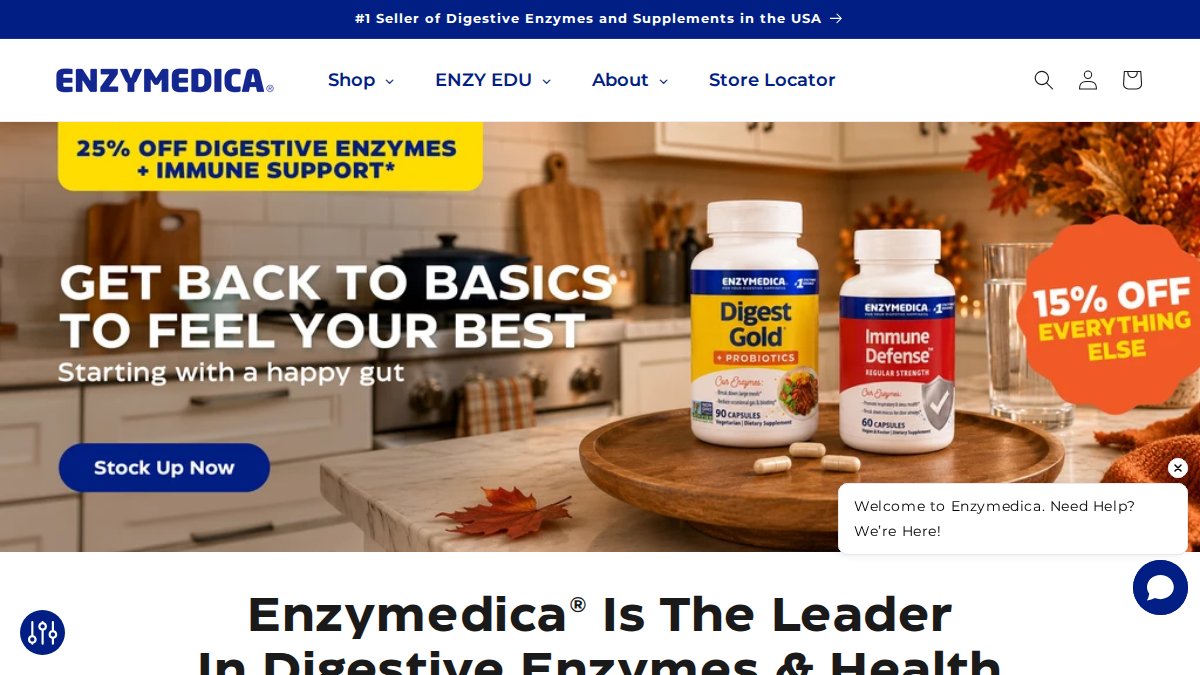
Comparison Table: Best Digestive Enzymes for Bloating and Gas
Finding the best digestive enzymes for bloating and gas starts with matching the formula to your trigger: a broad-spectrum blend for occasional heavy meals, a targeted FODMAP formula for reactions to garlic, onion, or dairy. This guide breaks down five leading options, when to take them, and the safety details most reviews skip.
Quick Picks:

- Best Overall: Enzymedica Digest Gold + ATPro, for high-potency, all-around meal support
- Best for Food Intolerances: Fodzyme, for fructan, GOS, and lactose triggers
- Best Budget Option: Physician's CHOICE Digestive Enzymes, for daily maintenance
- Best for Multiple Sensitivities: Enzymedica Digest Spectrum
- Best Herbal Blend: Dr. Tobias Digestive Enzymes
| Product | Starting Price | Key Enzymes | Best For |
|---|---|---|---|
| Enzymedica Digest Gold + ATPro | $45.00 | Protease, lipase, amylase, ATPro blend | Heavy, high-fat meals |
| Fodzyme | $79.99 | Lactase, alpha-galactosidase, inulinase | FODMAP intolerance |
| Physician's CHOICE | $19.97 | 16 enzymes plus prebiotics | Daily bloating |
| Enzymedica Digest Spectrum | $14.43 | DPP-IV, broad-spectrum blend | Gluten, dairy, soy sensitivity |
| Dr. Tobias | $25.00 | Amylase, lipase, protease, ginger, peppermint | Herbal-assisted relief |
Signs of Poor Gut Health That Signal You Need Enzyme Support
Persistent bloating after meals, excess gas, and a heavy feeling that lingers for hours are the clearest signs of poor gut health linked to weak enzyme activity. These symptoms often cluster around certain foods rather than every meal.
Watch for these signals:
- Gas and distension within 30 to 60 minutes of eating
- Undigested food visible in stool
- Feeling full long after a normal-sized meal
- Acid reflux or burping after fatty foods
- Loose stools after dairy or high-fiber vegetables
When to Take Digestive Enzymes for Maximum Bloating Relief
Take digestive enzymes right before your first bite, or within the first few minutes of a meal, so they mix with food in the stomach while it is still breaking down.
Here is how timing works in practice:
- Before meals: best for bloating and gas prevention
- With food: acceptable if you forget, though slightly less effective
- After meals: least effective, since food has already moved past the optimal window
- Powder formulas: mix directly into the first few bites of food
Digestive Enzyme Side Effects and Long-Term Safety
Most digestive enzyme side effects are mild and short-lived, but interactions and long-term questions matter most.
Common, Short-Term Side Effects
When you first add a supplement, you may notice:
- Temporary nausea or stomach cramping, usually from a protease-heavy blend hitting an empty or near-empty stomach
- Loose stools or urgency, most often from high-dose lipase or from a lactase product taken without lactose present
- Bloating that briefly worsens, paradoxical but common in the first few days as gut bacteria meet partially broken-down food
- Reflux or burping, typically from taking a capsule with too little water or lying down too soon after a meal
These usually fade within three to seven days. If they do not, lower the dose or switch to a narrower formula rather than pushing through.
Drug-Supplement Interactions Most Articles Ignore
- Blood thinners (warfarin, apixaban, rivaroxaban). Bromelain and papain, found in many "natural" enzyme blends, can add a mild antiplatelet effect, meaningfully increasing bleeding risk. Choose a formula without them, or clear it with your prescriber first.
- Diabetes medications (metformin, insulin, sulfonylureas). A lipase- and amylase-heavy enzyme can speed carbohydrate absorption, which may blunt or amplify your medication's effect depending on timing. Monitor blood glucose closely for the first two weeks.
- Proton pump inhibitors (omeprazole, pantoprazole). PPIs raise stomach pH, so enteric coatings can dissolve too early or too late, changing where enzymes release. Look for a blend that explicitly works across a wide pH range.
- Thyroid medication (levothyroxine). Take it on an empty stomach, at least 30 to 60 minutes before any enzyme dose. Enzymes taken with food can interfere with absorption.
- Antibiotics. Some enzyme blends include probiotics or prebiotics; spacing them two hours apart from an antibiotic dose preserves both.
A practical rule: if you take any daily prescription, bring your enzyme bottle to your pharmacist for an interaction check, five minutes, free at most pharmacies.
Who Should Not Take Them Without Medical Supervision
- Pancreatitis or pancreatic insufficiency. These require prescription pancreatic enzyme replacement therapy (PERT), not OTC blends; dosing is based on grams of fat per meal and managed by a gastroenterologist.
- Active peptic ulcer or gastritis. Protease enzymes can irritate an already inflamed stomach lining.
- Pregnancy or breastfeeding. Insufficient safety data; ask your OB before starting.
- Children under 12. Dose and safety are not established for OTC enzyme blends.
- Known allergy to any enzyme source. Many blends use porcine, bovine, or fungal sources; a pork allergy, for example, rules out porcine-derived pancreatin.
The "Lazy Gut" Question: Does Long-Term Use Cause Dependency?
The honest answer: no good evidence shows supplemental enzymes suppress your body's own production.
- Use enzymes for specific meals or symptom flares, not every meal indefinitely
- Reassess every six to twelve months with your doctor
- If you find you need them for every meal for months on end, that is a signal to investigate the underlying cause, not to keep buying bottles
When to Stop and See a Doctor
Persistent bloating, gas, or loose stools that do not improve after four to six weeks of consistent enzyme use is a diagnostic problem, not a supplement problem. Ask your doctor about testing for celiac disease, SIBO, exocrine pancreatic insufficiency, and lactose or fructose intolerance, conditions no OTC blend substitutes for.
Top 5 Digestive Enzymes for Bloating and Gas: Reviews
Each formula takes a different approach, so the right pick depends on whether your bloating comes from heavy meals, specific carbohydrates, or general poor digestion.
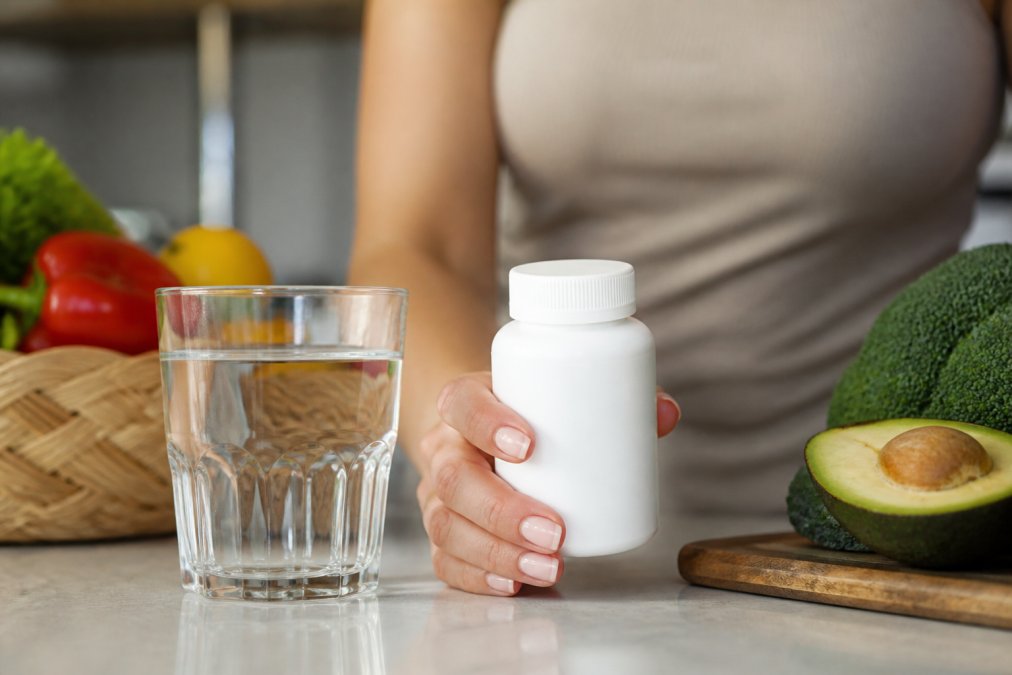
Enzymedica Digest Gold + ATPro
Digest Gold is the most potent all-purpose option here, built for large, high-fat meals. Its Thera-blend technology keeps enzymes active across a range of stomach acid levels, where most lose potency.
Fodzyme
Fodzyme targets the carbohydrates behind most gas: fructans, GOS, and lactose. The powder sprinkles directly onto food, making it practical for restaurant meals.
Physician's CHOICE Digestive Enzymes
The value pick, with 16 enzymes plus prebiotics for gut microbiome support. It covers protein, carbohydrate, and fat digestion in one capsule, a sensible entry point for daily bloating.
Enzymedica Digest Spectrum
Digest Spectrum is formulated for several food intolerances at once, using high-potency DPP-IV to help break down gluten and casein. It is free from common fillers and binders.
Dr. Tobias Digestive Enzymes
Dr. Tobias pairs amylase, lipase, and protease with ginger and peppermint for herbal support against gas and cramping. Widely available.
How to Choose the Right Digestive Enzyme for Your Symptoms
"Match the formula to your trigger" is useless without a way to identify the trigger. This section is a symptom-first diagnostic: start with where you feel it and when it hits, then work backward to the enzyme profile that fits.
Step 1: Locate the Symptom
Where the discomfort sits points to which macronutrient is not breaking down.
- Upper abdomen, just under the ribs, burning or heavy. Points to fat or protein. When pancreatic lipase and protease output is low, fatty or dense meals sit like a brick. Look for high lipase and protease activity.
- Mid-abdomen, cramping and gurgling within 30 to 90 minutes of eating. Points to carbohydrates, especially fermentable ones. Gas builds as gut bacteria ferment what your enzymes did not break down. Look for alpha-galactosidase, invertase, and a FODMAP-targeted profile.
- Lower abdomen, distension and gas a few hours after eating. Points to fiber and resistant starch reaching the colon intact. Look for cellulase, hemicellulase, and xylanase, the fiber-digesting enzymes most basic blends leave out.
- Gas, bloating, and loose stools specifically after dairy. Points to lactase deficiency. A standalone lactase chewable taken with the first bite of dairy is often enough; you do not need a broad-spectrum blend.
- Symptoms after wheat, barley, or rye but not other carbs. Could be fructan intolerance (a FODMAP issue) or, with hives, swelling, or breathing changes, a wheat allergy. The first responds to inulinase and alpha-galactosidase; the second requires strict avoidance and medical care.
Step 2: Match the Meal, Not Just the Symptom
Enzyme needs shift with what you eat. A formula that works for a salad may do nothing for a ribeye.
- High-fat meals (fried food, cheese, red meat): you want lipase in the tens of thousands of USP/FIP units per dose. Many blends list lipase in the low thousands, not enough for a heavy meal.
- High-protein meals (steak, eggs, protein shakes): look for protease in the 50,000 to 100,000 HUT range, plus DPP-IV if you react to dairy or gluten proteins.
- High-fiber meals (beans, cruciferous vegetables, whole grains): you need cellulase, hemicellulase, and alpha-galactosidase. Without them, gas is inevitable.
- Mixed restaurant meals: a broad-spectrum blend with balanced protease, lipase, amylase, and fiber enzymes is the practical choice, because you cannot predict the macro split.
Step 3: Titrate the Dose
Most labels give a one-capsule dose and stop there, but dose should scale with meal size and composition.
- Start with one capsule with your most symptom-triggering meal for three to five days.
- If symptoms improve but do not resolve, add a second capsule for that meal only.
- If one capsule works for a light meal but not a heavy one, take two for the heavy meal and one for the light one. Enzyme dose is not one-size-fits-all.
- If you feel nothing at two capsules, the formula is targeting the wrong enzyme. Switch profiles rather than escalating.
- Powder formulas (like FODMAP-targeted products) let you scale by the quarter-teaspoon, more precise than capsules for mixed meals.
Step 4: Read the Label Like a Clinician
- Activity units, not milligrams. Potency is measured in USP, FIP, HUT, or DU units. Milligrams tell you powder weight, not strength, a 500 mg capsule can be potent or nearly inert.
- Named enzymes, not "proprietary blend." If individual enzyme amounts hide behind a blend, you cannot compare it to anything.
- Third-party testing. Look for NSF, USP, or ConsumerLab verification. Supplements are not FDA pre-approved for efficacy, so third-party testing is the closest thing to a quality guarantee.
- Fillers and allergens. Check for magnesium stearate, titanium dioxide, and the enzyme source (porcine, bovine, fungal) if you have dietary or religious restrictions.
- Shelf stability. Enzymes lose activity over time and faster in heat. Buy from a store with normal turnover, check the expiration date, and store away from the stove.
A Quick Decision Path
- Track symptoms and meals for one week, noting where discomfort sits and what you ate.
- Match the location to the enzyme profile above.
- Buy the smallest size of the best-fit formula.
- Titrate up over two weeks.
- If nothing changes by week four, see a doctor, do not keep escalating dose or switching brands blindly.
Frequently Asked Questions
What are signs you need digestive enzymes?
Signs include frequent post-meal bloating, gas, indigestion, and feeling overly full after eating. You might also notice undigested food in your stool or experience regular discomfort after high-fat or high-fiber meals. These symptoms suggest your body may not be breaking down macronutrients efficiently, and supplemental support could help. If symptoms persist, consult a healthcare provider to rule out underlying conditions like pancreatic insufficiency.
Can digestive enzymes cause gas and bloating?
Digestive enzymes typically reduce gas and bloating by helping break down carbohydrates, proteins, and fats. However, some people may experience temporary gas as their gut adjusts, especially if the formula contains fiber-digesting enzymes like alpha-galactosidase. If you notice increased bloating after starting a supplement, try a lower dose or a different formula. Persistent issues warrant a doctor's visit to check for food intolerances or other gastrointestinal conditions.
Is there a downside to taking digestive enzymes long-term?
Long-term use of digestive enzymes is generally considered safe for most people, but there are concerns about dependency. Some experts suggest that relying on supplemental enzymes could reduce your body's natural production over time, though research is limited. It's best to use them as needed for specific meals rather than daily indefinitely. Always discuss long-term use with your healthcare provider, especially if you have a chronic condition.
How do digestive enzymes differ from probiotics?
Digestive enzymes break down food into absorbable nutrients, while probiotics introduce beneficial bacteria to support gut microbiome balance. Enzymes act directly on macronutrients like carbohydrates and proteins, helping relieve bloating and gas after meals. Probiotics work over time to improve overall gastrointestinal health and may help with conditions like IBS. Some supplements combine both, but they serve distinct roles. Choose based on whether you need immediate digestive aid or long-term gut support.
When is the best time to take digestive enzymes for maximum relief?
Take digestive enzymes right before or with the first bite of a meal. This timing allows them to mix with food in your stomach and start breaking down macronutrients immediately. For bloating and gas, take them with meals that typically trigger symptoms. If you forget and take them after eating, they may still offer some benefit, but effectiveness is reduced. Follow the dosage instructions on the label for best results.